

Styling streetwear for work-from-home settings means selecting pieces that balance comfort with enough polish to appear professional on video calls””think structured hoodies, clean sneakers, and elevated basics in neutral tones rather than graphic tees and distressed denim. The key is treating your upper half as a curated frame for the camera while allowing your lower half to prioritize comfort, then anchoring the look with intentional accessories like a quality watch or understated chain that signals you’ve put thought into your appearance without trying too hard. Consider a typical Monday morning Zoom meeting: a charcoal crewneck sweatshirt in heavyweight French terry, layered over a crisp white tee with just the collar visible, paired with a simple gold chain catches light without glaring on camera.
This combination reads as put-together to colleagues while remaining comfortable enough for the inevitable transition to couch-based deep work by afternoon. The approach works because streetwear’s emphasis on quality materials and clean silhouettes translates naturally to a professional-adjacent aesthetic when you edit out the louder elements. This article covers how to build a work-from-home streetwear wardrobe that functions across different meeting contexts, which pieces deserve investment versus which can be budget-friendly, how jewelry and accessories can elevate otherwise casual looks, and the specific mistakes that make streetwear read as sloppy rather than intentional in professional remote settings.
Table of Contents
- What Makes Streetwear Appropriate for Remote Work Settings?
- Building a Camera-Ready Streetwear Capsule Wardrobe
- The Role of Jewelry in Elevating Casual Work Looks
- Practical Guidelines for Video Call Presentations
- Common Mistakes That Undermine Professional Streetwear
- Seasonal Adjustments for Year-Round Style
- The Future of Remote Work Style
- Conclusion
What Makes Streetwear Appropriate for Remote Work Settings?
The distinction between streetwear that works for professional video calls and streetwear that doesn’t comes down to three factors: fit, graphics, and fabric quality. Relaxed fits read better on camera than skin-tight or excessively oversized silhouettes, which can appear either uncomfortable or unkempt through a laptop webcam’s lens. Solid colors and minimal branding project confidence, while large logos and bold graphics compete for attention with your face and can date your appearance quickly. Fabric quality matters more in remote work than in-person settings because cameras flatten texture””a cheap polyester hoodie and a premium cotton one might feel different, but they can look surprisingly similar on screen.
However, the reverse is also true: wrinkles and pilling become magnified, meaning that five-year-old favorite hoodie with surface bobbling will read as sloppy. Investing in a few pieces made from substantial fabrics like 400gsm cotton, merino blends, or technical materials keeps your appearance sharp without sacrificing the comfort that makes streetwear appealing for home-based work. The silhouette comparison is instructive. A boxy, cropped hoodie that looks intentional on the street often cuts the body awkwardly when seated at a desk, making your torso appear shortened. A standard-length, slightly fitted crewneck provides the same casual ease while maintaining proportions that translate well to the chest-up framing of video calls.

Building a Camera-Ready Streetwear Capsule Wardrobe
A functional work-from-home streetwear wardrobe requires fewer pieces than you might expect””roughly eight to ten tops can rotate through an entire month without repetition becoming obvious to colleagues. The foundation should include three to four quality sweatshirts or hoodies in neutral tones (black, navy, charcoal, cream), two to three elevated long-sleeve tees, and two lightweight layering pieces like an unstructured blazer or chore coat. The limitation of this approach reveals itself during seasonal transitions and all-hands meetings with executives. Streetwear’s casual foundation means you’ll need at least one piece that can shift the entire register upward””a well-cut knit polo or a refined bomber jacket that reads closer to smart-casual than weekend-casual.
Without this flexibility, you risk being the person who looks underdressed when the CEO unexpectedly joins a call. However, if your company culture genuinely embraces casual dress codes, overinvesting in elevated pieces can make you appear out of touch with the team’s aesthetic. Reading the room matters even when that room is a grid of video thumbnails. Start with the casual foundation and add polish incrementally based on how leadership and high-performers at your organization present themselves.
The Role of Jewelry in Elevating Casual Work Looks
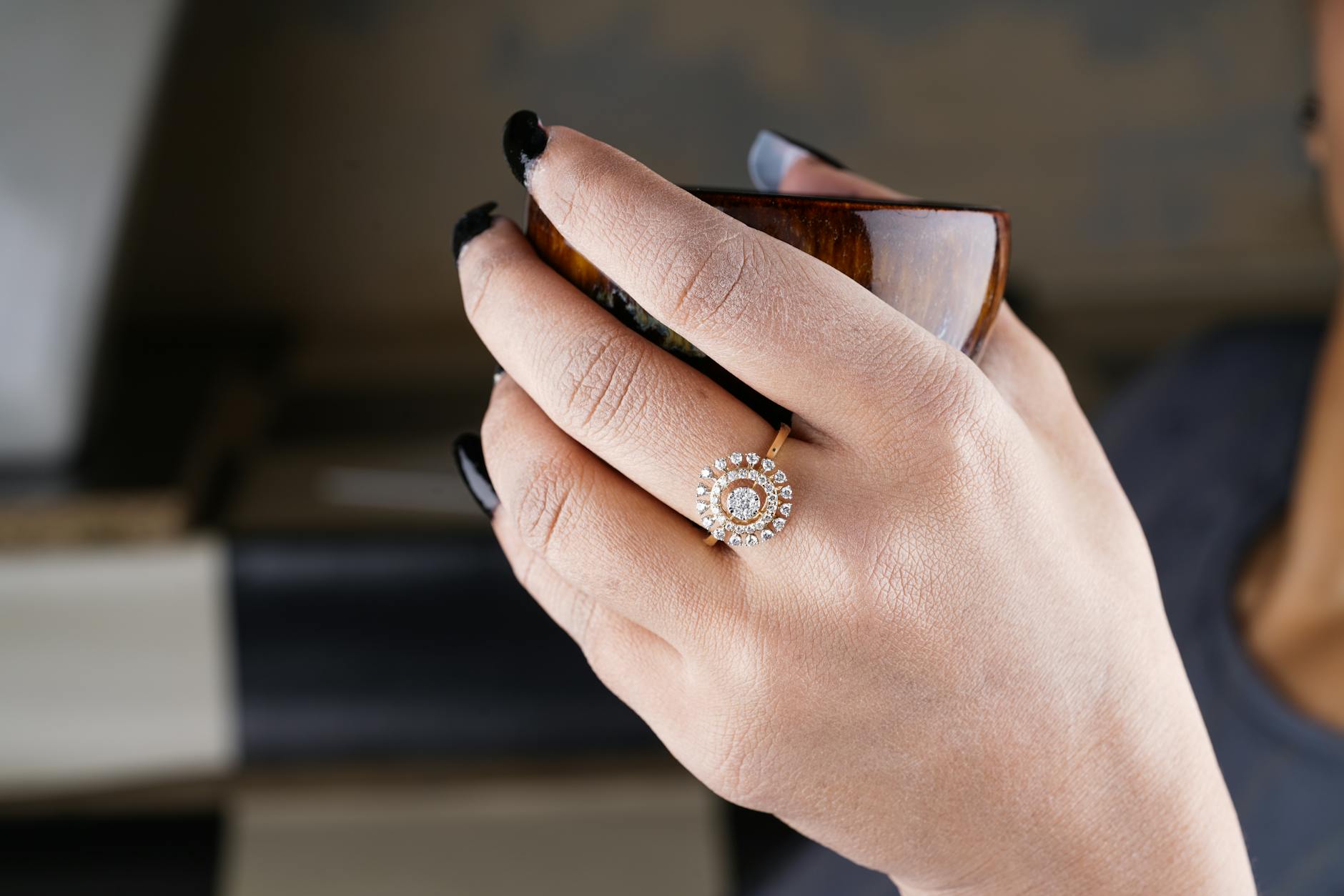
Jewelry performs essential work in streetwear styling that often goes unacknowledged: it signals intentionality. A plain black hoodie reads as lazy; the same hoodie with a visible watch and subtle chain suggests someone who made deliberate choices about their appearance. This distinction carries particular weight in remote work, where colleagues can’t observe the full context of your outfit and form impressions from limited visual information. The most effective jewelry choices for video calls share certain characteristics: they catch light without creating distracting reflections, they’re visible within the typical frame of a webcam shot, and they complement rather than compete with your clothing.
A gold Cuban link chain at 3-5mm width sits in the sweet spot””substantial enough to register on camera, refined enough for professional contexts. Silver and white gold offer similar versatility for those whose skin tone or wardrobe skews cooler. For example, a creative director at a marketing agency might pair a premium gray hoodie with layered chains of varying lengths””an 18-inch choker-length piece and a 22-inch pendant chain create visual interest without overwhelming the simple clothing beneath. This approach works because the jewelry becomes the focal point rather than the backdrop, allowing casual garments to serve as a neutral canvas.
Practical Guidelines for Video Call Presentations
When presenting to clients or external stakeholders, the calculus shifts toward conservatism without requiring a complete wardrobe change. The tradeoff involves sacrificing some streetwear authenticity for broader acceptability””a structured quarter-zip in merino wool reads as professional across industries while maintaining the comfort priority that defines work-from-home style. Comparing options: a premium hoodie works well for internal team meetings, recurring one-on-ones, and collaborative working sessions where comfort facilitates extended focus. A knit polo or refined crewneck sweater serves better for client presentations, interviews, and cross-functional meetings where you’re representing your team to less familiar audiences.
The decision matrix is simple””when in doubt about the audience, choose the more conservative option. Color choices create their own tradeoffs. Black is universally flattering and signals sophistication, but it can appear harsh on camera depending on your lighting setup and can show dust and lint. Navy and charcoal offer similar seriousness with more forgiveness. Lighter neutrals like cream and light gray brighten your appearance but show stains immediately and require more frequent laundering.
Common Mistakes That Undermine Professional Streetwear
The most frequent error in work-from-home streetwear styling involves neglecting what the camera actually captures. That expensive Japanese denim you’re wearing is invisible from the waist up, but the hoodie strings dangling in front of your chest become a visual distraction throughout every meeting. Tucking strings into the hoodie, ensuring collars lie flat, and checking your appearance in your laptop’s camera app before joining calls eliminates these easily-fixed problems. Another limitation involves brand visibility.
Streetwear culture celebrates certain logos, but professional contexts rarely benefit from visible branding””a Supreme box logo or prominent Nike swoosh reads as advertising someone else’s company rather than presenting your own professional identity. This doesn’t mean abandoning brands you love; it means selecting their unbranded or subtly branded offerings for work contexts. Watches deserve particular attention as a common failure point. A chunky G-Shock that works perfectly with weekend streetwear can appear juvenile in professional settings, while an overly formal dress watch might clash with your casual clothing. The solution is investing in a versatile timepiece””a clean-dialed automatic watch or a refined digital piece like certain Casio models that bridge casual and professional aesthetics without committing fully to either.

Seasonal Adjustments for Year-Round Style
Summer presents specific challenges for work-from-home streetwear, as the heavy hoodies and layered looks that define the aesthetic become uncomfortably warm. The transition requires lighter-weight alternatives that maintain the same silhouette: a structured tee in premium cotton, a lightweight linen-blend shirt worn open over a tank, or a breathable short-sleeve knit polo.
For example, a software engineer in Austin might rotate between a mesh-paneled basketball jersey (worn over a slim white tee for modesty) and a terry cloth polo during summer months, maintaining the casual athletic influence of streetwear while adapting to climate. Adding a gold bracelet or quality watch ensures the look still reads as considered rather than simply underdressed.
The Future of Remote Work Style
As hybrid and remote work arrangements become permanent fixtures rather than pandemic adaptations, the boundaries between workwear and casual dress continue blurring. Streetwear brands have recognized this shift””labels from Aime Leon Dore to Fear of God now produce pieces explicitly designed to function across contexts, with refined fabrics and subtle details that elevate athletic silhouettes into professional-adjacent territory.
The implication for building your wardrobe is that investment pieces now serve double duty. A quality gold chain worn during work-from-home hours transitions seamlessly to weekend wear; a well-made hoodie moves from Zoom calls to dinner reservations. This versatility justifies spending more on fewer pieces, prioritizing items that perform across the full range of your life rather than segmenting wardrobes by artificial occasion categories.
Conclusion
Styling streetwear for work-from-home success requires editing rather than overhauling””selecting pieces that emphasize clean lines, quality materials, and intentional details while setting aside louder elements that work better in purely social contexts. The camera frame becomes your constraint, demanding attention to neckline, color choice, and accessories visible in the chest-up view while allowing complete freedom below the desk.
The most effective approach treats jewelry and watches as the finishing elements that transform comfortable clothes into deliberate outfits. A simple gold chain, a refined timepiece, or subtle layered bracelets communicate that you’ve considered your appearance without surrendering to uncomfortable formality. Start with neutral basics in quality fabrics, add one or two signature accessories, and adjust the polish level based on the specific audience for each meeting.