

Picking the right crewneck comes down to understanding how fabric weight, neckline construction, and fit work together to create a piece that will serve you for years. A quality crewneck should feel substantial in your hands, with a neckline that sits cleanly without gaping or stretching out after a few wears—think of a heritage luxury label’s basics line versus what you’d grab at a mass-market retailer. The crewneck has endured as a wardrobe staple precisely because it’s forgiving enough to work for most body types, yet sophisticated enough to pair with fine jewelry and elevated pieces that define luxury dressing.
When you’re investing in crewnecks as part of a curated wardrobe, you’re not just buying a shirt. You’re buying consistency: the same reliable layering piece that sits perfectly under a blazer, that won’t pill or fade after a season of regular wear, and that lets your accessories do the talking. The difference between a crewneck that stays in your rotation for five years and one that deteriorates within two seasons often comes down to decisions made before you even try it on.
Table of Contents
- What Makes a Quality Crewneck Construction?
- Fabric Selection and Material Considerations
- Fit, Sizing, and Length Proportions
- Styling Crewnecks with Jewelry and Layering
- Common Fit Issues and Mistakes to Avoid
- Investment Pieces and Longevity
- Current Trends and Quality Evolution
- Conclusion
- Frequently Asked Questions
What Makes a Quality Crewneck Construction?
The foundation of a quality crewneck is in how the neckline is finished. Look for ribbing that’s knit in one continuous piece rather than cut and sewn—this creates a smooth, resilient neckline that returns to its original shape without stretching. A well-made crewneck will have ribbing that’s proportionate to the garment’s weight; lightweight merino pairs with narrower ribbing, while a heavy cotton-cashmere blend needs thicker ribbing to properly support itself.
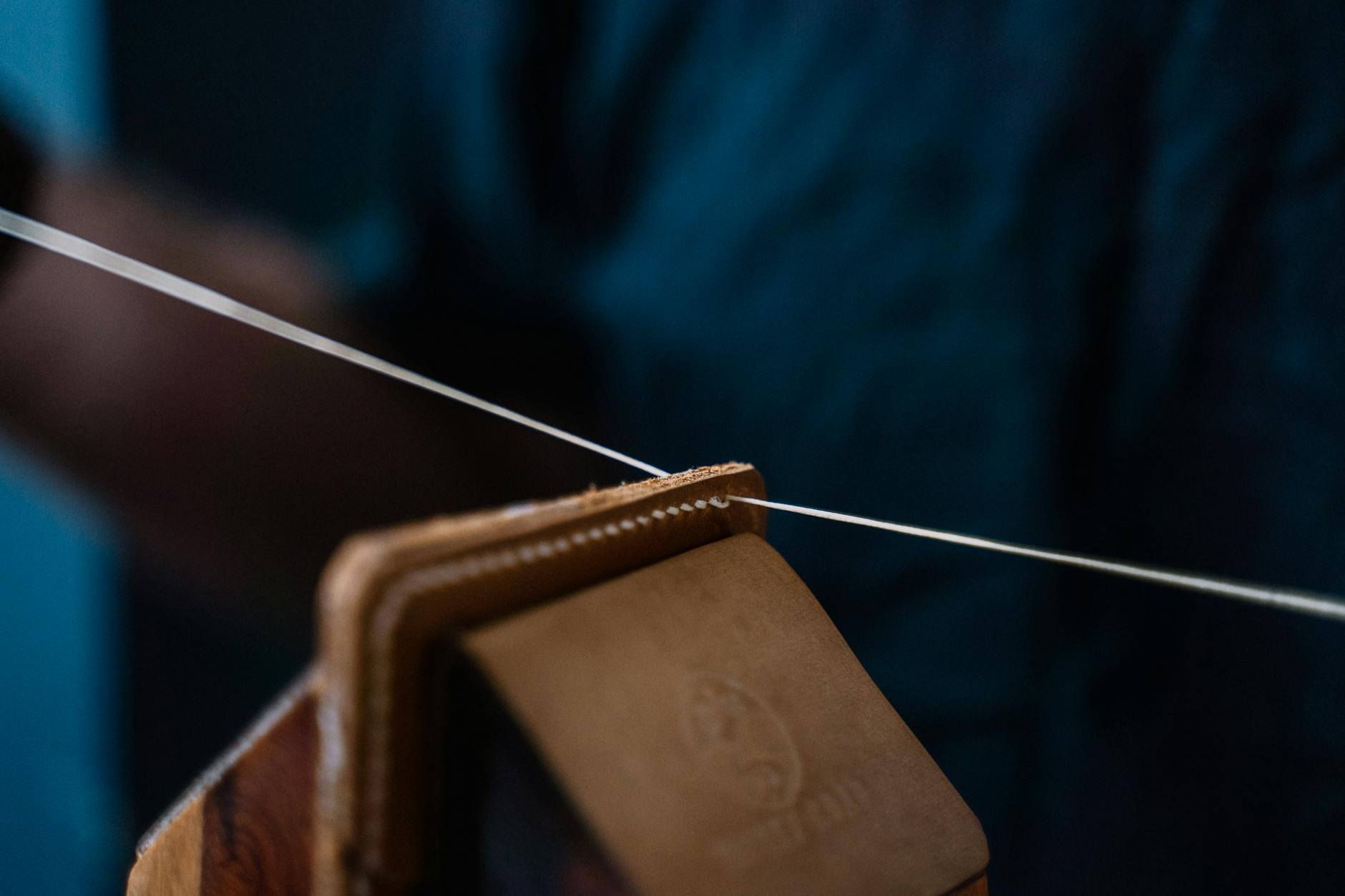
Seam placement and stitching are where craftsmanship becomes visible. Compare a crewneck from a heritage brand with one from a fast-fashion retailer, and you’ll notice the difference in stitch count per inch and the consistency of the seam line. Premium pieces often use flatlock or three-thread seaming on the side seams to prevent the stitches from irritating skin, while budget pieces rely on simple single-needle seams. The armhole depth also matters—it should be neither too deep (which creates baggy underarm folds) nor too high (which restricts movement).
Fabric Selection and Material Considerations
The weight and content of your crewneck’s fabric determines its lifespan and how it behaves with wear. A 100% cotton crewneck in a heavyweight 250+ gsm (grams per square meter) will last longer than a lightweight 150 gsm version, but it’s also more prone to shrinkage if not pre-shrunk before finishing. This is where you need to ask the manufacturer directly: has this been sanforized? Many luxury brands will note this in their product details, while others won’t, and a six percent shrinkage can turn a perfectly fitting crewneck into something unwearable.
Blends offer trade-offs worth understanding. Cashmere blends (typically 20-40% cashmere mixed with wool or cotton) offer softness and warmth without the full cost of pure cashmere, but they pill more readily, especially in the underarm and chest areas where friction occurs. A cotton-wool blend gives you durability and breathability, though wool content above 30% can feel itchy against sensitive skin. Pure merino wool sits in a sweet spot for many—temperature-regulating, resistant to odor and pilling, but it needs careful handling in the wash to avoid felting.
Fit, Sizing, and Length Proportions
Getting the fit right requires understanding how the garment sits on your specific frame. A crewneck that fits well should have a body width about two inches larger than your chest circumference when measured flat—this gives you freedom to layer without pulling, and lets you wear jewelry without the shirt tugging against your pendant or chain. The length matters equally; a crewneck that hits right at your hip bone works for most body types, but if you’re shorter than average, an inch too long changes the proportion of your entire silhouette.
Shoulder seams should sit directly at your natural shoulder point. If they’re too far in, the shirt will bunch up under your arms; too far out, and you’ll get sagging fabric and unflattering lines. Sleeve length is another critical measurement—sleeves that are a quarter-inch too long tend to creep down during the day, while sleeves even a quarter-inch too short age your hand and wrist. This is why trying on is non-negotiable, even if you’re ordering from a brand you know; a crewneck manufactured in a different facility or at a different time might have slight variations.

Styling Crewnecks with Jewelry and Layering
A crewneck’s neckline directly influences how your jewelry reads and photographs. A standard crewneck with a tight, high neckline is best paired with jewelry worn inside or on the wrist, or with longer chain necklaces that fall below the shirt. If you’re someone who enjoys wearing pendant necklaces or collar-adjacent pieces, you’ll find certain crewnecks fight against your aesthetic—the high neckline creates visual clutter rather than a clean line.
This is where fabric also plays a role. A thin, clingy crewneck will show the outline of your chest even under structured blazers, potentially creating an unflattering line if you’re wearing multiple layers. A heavier crewneck with more structure sits cleaner over knitwear and creates better proportions when worn under a luxury coat or tailored jacket. If your style leans toward layering with fine jewelry visible, a fitted crewneck in a medium weight creates the most elegant effect—enough structure to not cling, enough simplicity to let your accessories remain the focal point.
Common Fit Issues and Mistakes to Avoid
The most common mistake is buying a crewneck too large with the assumption that all fabric shrinks and stretches. In reality, high-quality crewnecks are typically pre-shrunk, and oversizing doesn’t account for this. You’ll end up with excess fabric that doesn’t showcase your silhouette and looks dated rather than intentionally oversized. A second common error is ignoring the neckline tightness—some crewnecks are cut with a snug neck opening that feels restrictive if you have a larger neck, while others are so loose they gape at the shoulders.
Weight mismatches in your wardrobe create invisible problems. A thin crewneck works well in summer and as a base layer, but if that’s all you own, you’ll find yourself reaching for it even in situations where a heavier option would look better and wear longer. The reverse is also true—a 250+ gsm crewneck worn alone in warm months will feel heavy and bunch awkwardly in the front. Building a rotation with different weights means you have appropriate options for layering and for standing alone.

Investment Pieces and Longevity
A luxury crewneck that costs three to four times what you’d spend on a mass-market option should perform proportionally better. Look for brands that offer transparent information about their sourcing, production, and care—this transparency usually correlates with quality. A crewneck made from Italian-milled cotton, for instance, has been processed to higher standards and will maintain its shape and color longer than fabric processed in regions with fewer environmental controls.
The care instructions reveal a lot about durability. If a brand recommends dry cleaning a cotton crewneck, they’re assuming you’ll keep it pristine; if they’re comfortable with gentle machine washing, they’ve engineered the fabric to handle regular care. Hand-finishing details like flat-felled seams on side panels, or reinforced stitching at stress points, are signs that the maker expects this piece to last ten years or more. These details cost more upfront but save money over time if you’re not replacing crewnecks annually.
Current Trends and Quality Evolution
The crewneck market has shifted toward transparency about sustainability and production standards, which often tracks with overall quality improvements. Vintage and heritage-focused brands have seen renewed interest because their crewnecks from ten and fifteen years ago are still performing better than many contemporary fast-fashion options.
This suggests that quality—not trend—is winning out in how people actually shop and keep clothes. Looking forward, expect more crewnecks designed with modular care in mind—replaceable ribbing, reversible construction, or dyeing options that refresh the piece rather than requiring replacement. For now, the safest investment remains the classic formula: substantial fabric weight, clean construction, proportionate sizing, and a brand with a track record of pieces that age well rather than deteriorate.
Conclusion
Picking the right crewneck requires evaluating four key elements: the quality of the neckline construction, the fabric weight and blend, how the fit translates to your specific body, and the durability markers that suggest this piece will earn its cost over years of wear. Don’t let brand reputation alone guide you—a lesser-known manufacturer with transparent production standards often outperforms a famous label cutting corners on construction.
Start by defining what you actually need from a crewneck: Is it a layering piece under structured jackets, or something you’ll wear on its own? Will you pair it primarily with fine jewelry, or is it a casual base? Once you understand its role in your wardrobe, you can evaluate specific options against those criteria rather than chasing trends or prestige. The right crewneck is one that disappears into your rotation, performing reliably while letting everything else you wear—your jewelry, your styling choices, your intentionality—come forward.
Frequently Asked Questions
How often should a quality crewneck be washed?
Most can be washed every two to three wears if air-dried properly. Washing more frequently than this, especially in hot water, accelerates fabric breakdown regardless of quality. If you’re wearing a crewneck daily without sweating, once weekly washing is reasonable.
What’s the ideal neckline tightness for wearing jewelry?
The neckline should fit snugly enough that it doesn’t gape, but loose enough that you can fit a finger between the ribbing and your neck comfortably. If a pendant sits on top of the neckline rather than below it, the neck opening is likely too tight for your proportions.
Can you alter a crewneck if the fit isn’t quite right?
Minor adjustments are possible—taking in side seams or shortening sleeves—but altering the neckline or armhole is complex and rarely worth the cost. It’s better to return and find the right size initially.
How do you prevent pilling on a crewneck?
Wash inside-out in cool water, use a gentler detergent, avoid the dryer, and air-dry instead. Even with prevention, lower-end fabrics pill regardless of care, while higher-quality fabrics resist pilling if treated appropriately.
What weight crewneck works best for layering under blazers?
A medium-weight option (around 200 gsm) sits cleanly under structured jackets without creating bulk. Heavier options tend to bunch at the shoulders, while lighter crewnecks can look insubstantial.
Should crewnecks ever be dry-cleaned?
Only if the fabric requires it or if you’ve spilled something that home washing won’t address. Regular dry-cleaning weakens fibers faster than gentle home washing and adds unnecessary cost to garment maintenance.