

Dressing low key but high status means investing in exceptional quality, precise fit, and subtle details rather than obvious logos or flashy statements. The approach centers on fabrics that feel remarkable to the touch, tailoring that follows your exact silhouette, and accessories that reveal their worth only to those who recognize craftsmanship. A cashmere sweater in charcoal gray, perfectly fitted dark denim, and a simple leather belt with quality hardware communicates more affluence than a logo-covered ensemble ever could. This is the wardrobe philosophy of old money, successful founders who’ve moved past the need to prove anything, and anyone who understands that true luxury whispers rather than shouts.
Consider the difference between two people wearing navy blazers. One wears an off-the-rack polyester blend with shiny buttons and an ill-fitting shoulder, while the other wears a soft wool blazer with natural horn buttons, canvas chest construction, and sleeves that break precisely at the wrist. Nothing about the second blazer screams expensive, yet every detail signals quality to anyone paying attention. The first blazer might cost $200 with prominent branding; the second might cost $1,200 with no visible labels. This article covers the specific fabrics, fits, and accessories that create this effect, along with the mistakes that undermine it and the investment pieces worth prioritizing.
Table of Contents
- What Makes Clothing Look High Status Without Obvious Branding?
- The Role of Fit in Signaling Understated Wealth
- Quiet Luxury: Fabrics That Communicate Without Words
- Building a High-Status Minimal Wardrobe
- Common Mistakes That Betray New Money Aesthetics
- Jewelry and Accessories: Where Subtlety Matters Most
- The Future of Understated Elegance
- Conclusion
What Makes Clothing Look High Status Without Obvious Branding?
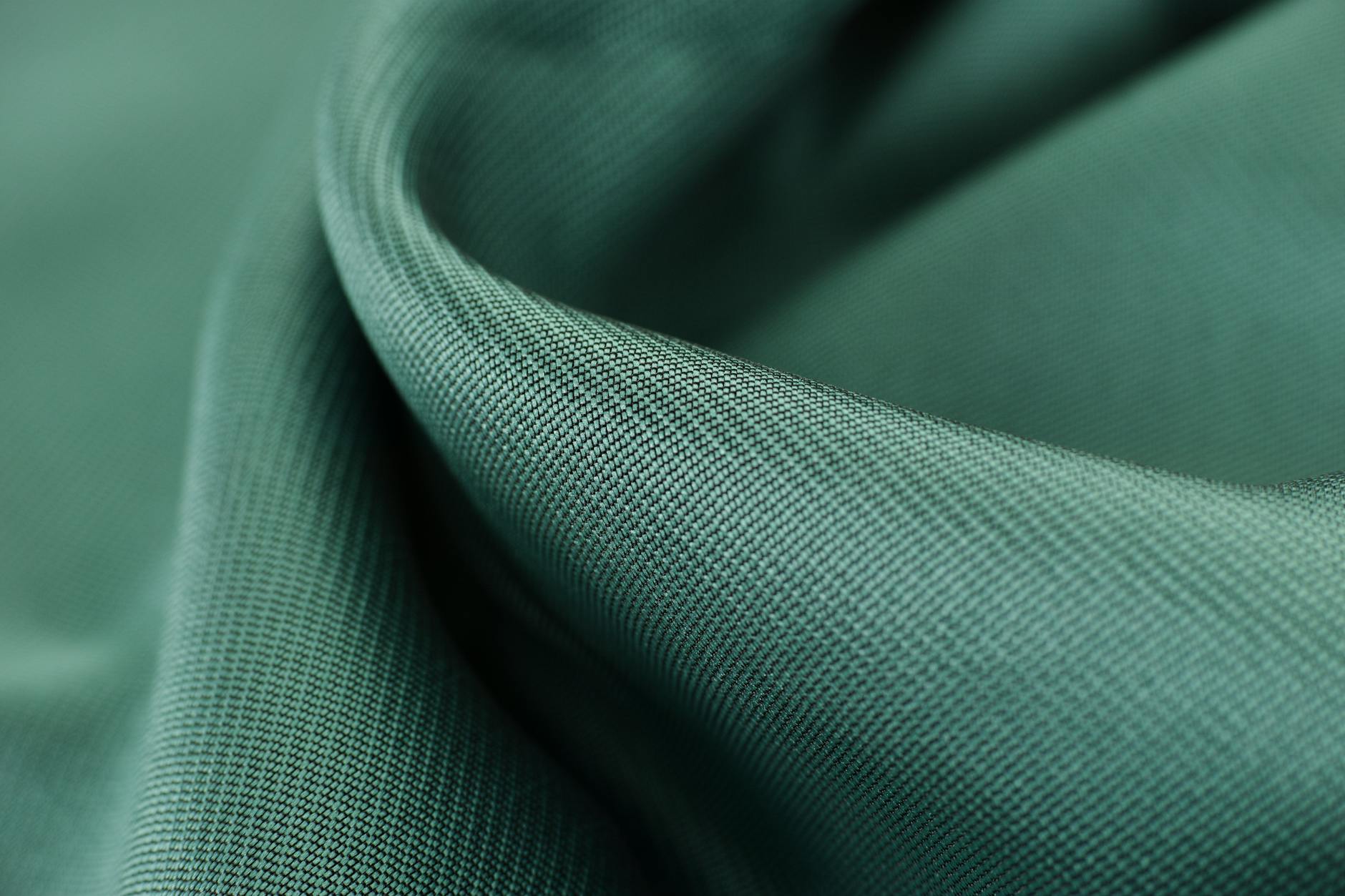
The foundation of understated elegance lies in three elements that most people overlook: fabric weight, construction quality, and color depth. Cheap garments use thin, loosely woven materials that pill quickly and lose their shape after a few washes. High-quality pieces use denser weaves, longer fiber staples, and natural materials that actually improve with age. A $40 cotton oxford shirt typically uses 80-count cotton in a thin weave, while a $200 version might use 120-count cotton with a tighter construction that drapes more elegantly and maintains its crispness. Color depth matters more than most realize. Inexpensive dyes fade unevenly and often have a slightly synthetic sheen.
Quality garments use natural or premium synthetic dyes that create rich, dimensional color. A truly excellent black garment reads as deep and consistent rather than washed-out or plasticky. Compare a black t-shirt from a fast fashion retailer to one from a heritage brand using ring-spun cotton and quality dyeing processes””the difference is immediately apparent, even if you cannot articulate exactly why. Construction reveals itself in details like straight, even stitching with appropriate density, pattern matching at seams, quality interlining in collars and cuffs, and finishing on interior seams. Flip a garment inside out: if it looks nearly as refined as the exterior, you’re holding something well-made. However, these quality indicators only matter if the fit is correct. A beautifully constructed garment that doesn’t fit your body will never look expensive.

The Role of Fit in Signaling Understated Wealth
Nothing undermines quality clothing faster than poor fit. Wealthy individuals often look put-together in simple pieces because those pieces have been altered to their exact proportions. A basic white dress shirt that’s been tailored to your shoulder width, arm length, and torso shape will always outperform an expensive designer shirt worn off the rack. This is why many people with genuine means develop relationships with skilled tailors rather than endlessly chasing the perfect ready-to-wear garment. The key measurements that betray fit problems include shoulder seams that fall past the shoulder bone, excessive fabric bunching at the lower back, trouser breaks that puddle at the ankle, and jacket sleeves that obscure the shirt cuff entirely. Even minor adjustments””hemming trousers properly, taking in a shirt’s side seams, or shortening jacket sleeves””transform how clothing reads.
A $100 blazer that’s been tailored for $50 will look more expensive than a $400 blazer worn straight from the store. However, tailoring has limitations. If a garment is more than one full size off, alterations become expensive and may compromise the original design. Shoulder seams on jackets are particularly difficult to adjust. The most economical approach is buying pieces that fit well in the shoulders and chest, then tailoring everything else. For trousers, ensure the rise and thigh measurement work before purchasing, since these areas are difficult to alter.
Quiet Luxury: Fabrics That Communicate Without Words
Certain fabrics have become synonymous with understated wealth because they require either substantial investment or careful stewardship. Cashmere remains the most recognized quiet luxury textile””its softness and warmth are immediately apparent, but quality cashmere holds its shape and resists pilling far better than lesser grades. A two-ply or three-ply cashmere sweater from a Scottish mill might cost $400 to $800, but it will last decades with proper care. Compare this to cheaper cashmere that pills within weeks and loses its shape after a single season. Merino wool in superfine grades (17.5 microns or finer) offers similar luxury signaling at lower price points.
Italian-milled cottons, especially in oxford weaves or Sea Island varieties, communicate quality through their hand feel and drape. Linen, despite its tendency to wrinkle, reads as sophisticated when worn intentionally””the wrinkles become part of the aesthetic rather than a flaw. Raw or selvedge denim, made on older shuttle looms with denser weaves, develops personalized fading patterns that distinguish it from mass-produced alternatives. Leather goods present perhaps the clearest example of quality differentiation. Full-grain leather from reputable tanneries develops a patina over years that actually increases its beauty, while corrected-grain or bonded leather cracks, peels, and deteriorates. A Florentine vegetable-tanned leather belt might cost $150 versus $30 for a bonded alternative, but the quality difference is visible within months and dramatic within years.
Building a High-Status Minimal Wardrobe
The most effective approach to understated elegance involves owning fewer, better pieces rather than extensive collections of mediocre items. A wardrobe of ten exceptional garments that mix and match seamlessly will create more outfit combinations than a closet stuffed with trendy fast fashion. This concept, sometimes called a capsule wardrobe, requires identifying your core needs and investing strategically in pieces that work hardest. The foundation typically includes: well-fitted dark denim in a classic cut, tailored wool trousers in navy or charcoal, two or three quality dress shirts in white and light blue, a cashmere or fine merino sweater, a structured blazer in navy or charcoal, quality leather shoes in brown and black, and a reversible leather belt.
Each piece should coordinate with the others, creating dozens of appropriate combinations for various occasions. The comparison between this approach and trend-chasing is stark: a ten-piece quality wardrobe might cost $3,000 to $5,000 but last a decade, while annual fast fashion spending of $1,500 produces garments that deteriorate within a year. The tradeoff involves patience and delayed gratification. Building a quality wardrobe slowly””perhaps one or two significant pieces per season””requires resisting impulse purchases and living with gaps in your closet temporarily. Many people find this discipline challenging after years of instant fashion availability.
Common Mistakes That Betray New Money Aesthetics
Several patterns consistently distinguish those attempting to appear wealthy from those who genuinely embody understated elegance. The most common error is excessive logo display””wearing multiple branded pieces simultaneously, choosing items where the logo constitutes the design rather than an incidental detail, or selecting items specifically because the brand is recognizable. One small logo on a polo shirt differs dramatically from head-to-toe brand identification. Another frequent mistake involves over-accessorizing or choosing accessories that are too shiny, too new, or too obviously expensive. A Rolex Submariner worn with a casual outfit reads differently than a diamond-encrusted watch with a flashy bracelet.
Similarly, too-perfect grooming””overly styled hair, excessive jewelry, aggressive cologne””often signals trying too hard. Genuine understated elegance includes a degree of apparent effortlessness. A subtler error involves buying quality pieces but failing to maintain them. Scuffed shoes, wrinkled suits, pilled sweaters, and stained collars undermine even the finest garments. The wealthy maintain their possessions: shoes are polished and resoled, cashmere is stored properly with cedar, shirts are professionally laundered or carefully pressed. Ignoring maintenance is perhaps the most costly mistake because it wastes the initial investment.
Jewelry and Accessories: Where Subtlety Matters Most
Accessories offer the greatest opportunity for quiet signaling precisely because they invite close inspection. A simple gold wedding band in 18-karat yellow gold differs substantially from a plated or hollow alternative””the weight, the warmth of the color, and the way it wears over decades reveal its quality. Similarly, a watch with a quality movement, legible dial, and classic proportions communicates differently than an oversized chronograph festooned with complications.
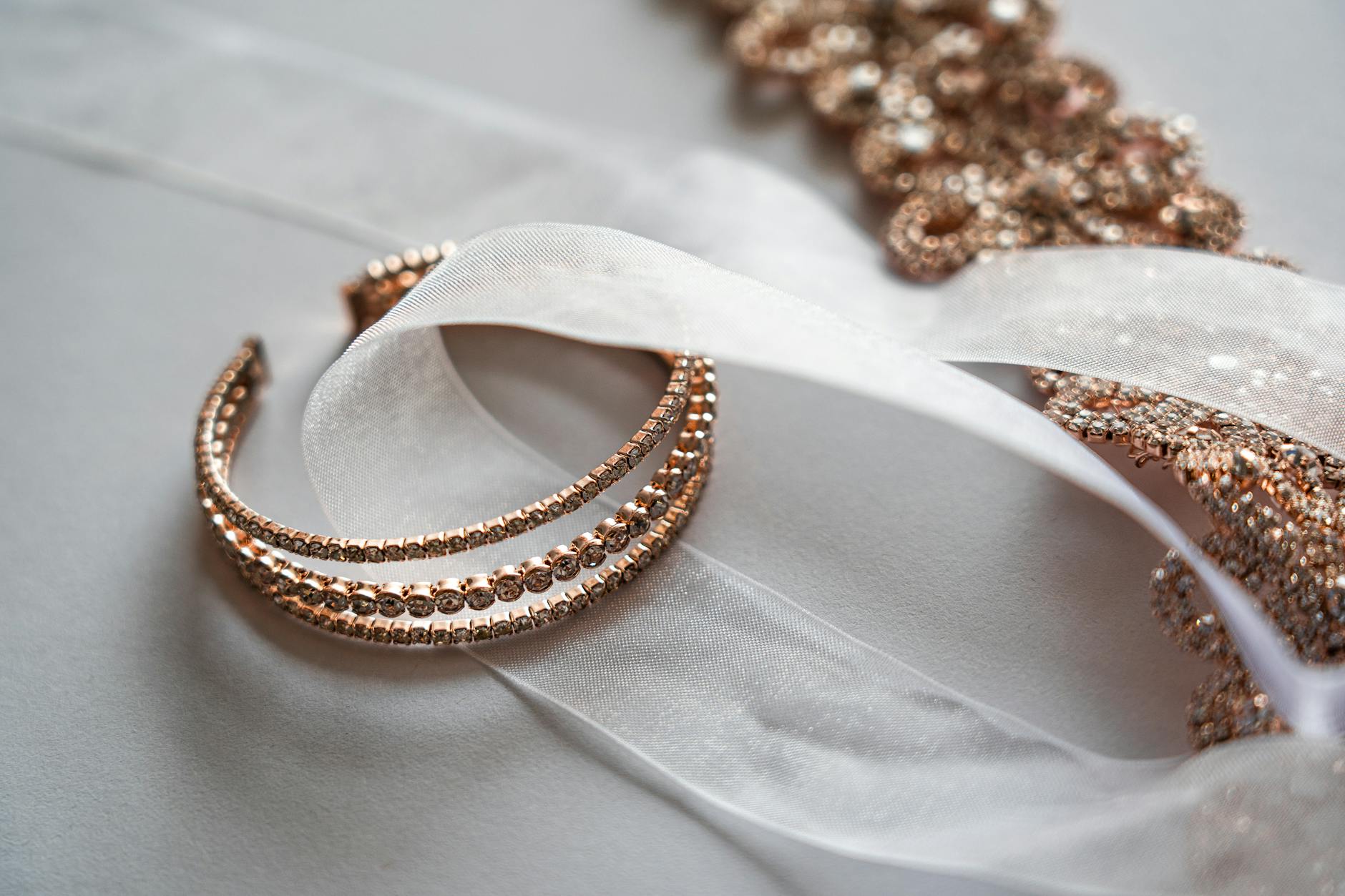
For women, fine jewelry in classic designs””a thin gold chain, simple pearl studs, or a quality tennis bracelet””reads as more sophisticated than costume jewelry in elaborate designs. For men, a quality leather watch strap, simple cufflinks in precious metal, and perhaps a signet ring constitute the traditional accessories of understated wealth. In both cases, the emphasis falls on materials and craftsmanship rather than size or complexity.
The Future of Understated Elegance
The current cultural moment increasingly favors quiet luxury as a backlash against decades of logo-centric fashion and social media posturing. Heritage brands that previously courted mass markets are returning to understated aesthetics. New brands built entirely around the quiet luxury concept are gaining market share.
This shift suggests that understanding quality markers””fabrics, construction, fit, and maintenance””will become more valuable as discernment replaces logo recognition as the currency of style. Younger consumers, despite stereotypes about trend-chasing, are driving much of this change. Research suggests increasing interest in sustainability, longevity, and investment dressing among millennials and Gen Z. The low-key but high-status aesthetic aligns naturally with these values, suggesting its relevance will only grow.
Conclusion
Dressing with understated elegance requires shifting focus from brands and trends to fundamentals: exceptional fabrics, precise fit, quality construction, and appropriate maintenance. The approach demands patience, as building a wardrobe of investment pieces takes time. It requires developing an eye for quality, learning to identify the details that distinguish fine garments from ordinary ones. And it involves a degree of discipline””resisting impulse purchases, maintaining possessions carefully, and accepting that true style cannot be purchased in a single shopping trip.
The reward is a wardrobe that improves with age, creates endless combinations from fewer pieces, and communicates success without announcement. Start by auditing your current closet, identifying pieces that truly fit and are worth maintaining, and building a list of priority upgrades. Focus on one category at a time””perhaps quality shoes, then a proper blazer, then foundational knitwear. The transition from fast fashion to investment dressing happens gradually, but each quality piece you acquire makes the next decision easier.