

The answer is surprisingly simple: swap streetwear staples for quality-focused pieces while keeping the same attention to silhouette, proportion, and personal expression that made your fits interesting in the first place. You don’t abandon drip when you dress grown”you refine it. The cashmere sweater replaces the hoodie. The loafer steps in for the sneaker. The tailored trouser takes over for the jogger. But the intentionality, the understanding of how clothes should sit on your body, the eye for detail”all of that stays.
A man in a well-fitted quarter zip and loose-cut wool trousers can carry the same presence as he did in a box logo and cargos, just calibrated for different rooms. Consider this shift already happening at scale: global demand for quarter zips was up 31% in the last quarter of 2025, according to Lyst data. That piece has become a symbol of refined, effortless style that bridges casual and polished”proof that the market is moving toward this middle ground. The overall mood in 2026 fashion is described as “intentional, defined by restraint.” Not flashy, not nostalgic, but purposeful. The philosophy is “refinement over reinvention””supporting real bodies, real lives, and real confidence. This article breaks down exactly how to execute this transition: the specific pieces that anchor a grown wardrobe, the silhouette shifts that matter most, how streetwear brands themselves are evolving to meet this moment, and the styling techniques that let you maintain personality without looking like you’re trying too hard.
Table of Contents
- What Does It Actually Mean to Dress Grown Without Losing Drip?
- The Foundation Pieces That Define Refined Menswear in 2026
- How Silhouette and Fit Have Shifted in 2026
- Streetwear Brands That Successfully Made the Transition
- Common Mistakes When Transitioning to Grown Style
- The Role of Jewelry and Accessories in Refined Style
- Where Grown Style Is Heading Beyond 2026
- Conclusion
What Does It Actually Mean to Dress Grown Without Losing Drip?
Dressing grown without losing drip means understanding that maturity in clothing isn’t about playing it safe”it’s about being more deliberate with fewer pieces. The years-long streetwear dominance defined by logos, tracksuits, and sneakers is giving way to refined, quality-focused, individualistic styles. This doesn’t mean abandoning everything that made streetwear compelling. It means translating those principles”attention to fit, cultural awareness, personal expression”into a vocabulary that works in more contexts. The difference shows up in the details. Where streetwear often relied on loud branding to communicate taste, grown style demonstrates understanding through fabric choice, construction quality, and proportion.
A cashmere sweater, experts note, can “instantly elevate your style” and “quietly demonstrate sophistication” in ways a graphic tee cannot. The drip is still there”it’s just speaking at a lower volume to people who know how to listen. However, this transition requires honest self-assessment. If your entire wardrobe identity was built on specific brands or logos, the shift will feel more dramatic than if you already paid attention to how clothes fit and moved. The man who understood why his streetwear worked”the proportions, the layering, the color relationships”will find that knowledge transfers directly. The man who just bought what influencers told him to buy will need to develop new instincts.
The Foundation Pieces That Define Refined Menswear in 2026
Quality leather shoes have become non-negotiable for building a refined wardrobe. Brogues and Oxfords serve the most formal occasions, but loafers have emerged as the key footwear piece for this transitional style. Styled with denim, knitwear, or relaxed tailoring, loafers offer “polish without stiffness, sophistication without spectacle.” They occupy the same versatile space that clean sneakers once did”appropriate for dinner, comfortable enough for all-day wear, instantly elevating whatever sits above them. Outerwear marks another critical upgrade. Wool overcoats and quality leather jackets demonstrate “understanding of craftsmanship and lasting quality” in ways that puffer jackets and bombers often cannot.
The investment here matters: a cheap overcoat looks cheap from across the room, while a well-constructed one pays dividends for years. This is where grown dressing differs most from streetwear’s seasonal rotation”you’re buying pieces meant to last, not pieces meant to capture a moment. The limitation worth noting: these foundation pieces only work if they fit properly. A beautiful cashmere sweater in the wrong size looks worse than a well-fitted cotton tee. Before investing in quality fabrics, ensure you understand your measurements or have access to tailoring. The grown wardrobe demands more precision than streetwear’s oversized forgiveness often allowed.
How Silhouette and Fit Have Shifted in 2026
Loose-fitted tailored pants are replacing skinny fits across the board. The move is toward straight-cut or slightly wide-leg trousers with a sleek, structured look”a silhouette that reads as intentional rather than sloppy. This shift actually aligns with streetwear’s recent evolution away from slim fits, making the transition less jarring for those coming from that world. The difference is in the fabric and construction: tailored wool versus technical nylon, clean hems versus elastic cuffs.
Longer hemlines are dominating, particularly in outerwear and layering pieces. Fashion experts describe this as happening “not out of modesty, but out of elegance.” The midi-length coat, the sweater that hits mid-hip rather than at the waist, the shirt worn untucked at a deliberate length”these choices create visual flow and movement. The overall effect of this relaxed tailoring, with flowing fabrics and loose-fitting blazers, is that “nothing looks deliberate, everything looks skillful.” Celebrity stylist Sam Spector describes the current mood as “librarian chic but with a fun twist.” The technique involves mixing unexpected, more glamorous elements with conservative pieces”perhaps a textured trouser under a classic cardigan and button-up. This is where personality enters: the grown wardrobe doesn’t mean boring, it means controlled. You’re choosing where to add visual interest rather than spreading it everywhere.

Streetwear Brands That Successfully Made the Transition
Several brands have already figured out how to maintain cultural relevance while moving toward sophistication, offering a roadmap for personal wardrobes. Kith has evolved to offer “sophisticated fabrics and tailored cuts offering a more mature take on streetwear.” Their pieces maintain the brand’s aesthetic DNA while working in contexts that demand more refinement. The quality has scaled up alongside the design sensibility. Aimé Leon Dore represents perhaps the clearest example of this evolution.
The brand draws from 90s New York basketball culture but presents it with a “sophisticated, preppy edge.” The references are still there for those who recognize them, but the execution reads as elevated rather than nostalgic. A man wearing ALD in a business-casual environment doesn’t look out of place”he looks like he has good taste. New Balance occupies interesting territory in footwear, having successfully captured the “comfort trend while adding elegant and mature dimension.” Their collaboration-heavy approach and quality-focused mainline offerings have made certain models acceptable in settings where sneakers traditionally weren’t. The 990 series, in particular, has become a bridge piece”a sneaker that reads as considered rather than casual. For those not ready to fully commit to loafers, this represents a workable middle ground.
Common Mistakes When Transitioning to Grown Style
The most frequent error is overcorrection”abandoning everything that made your personal style interesting in pursuit of generic “maturity.” A wardrobe of only navy, gray, and white basics might technically be grown, but it’s certainly not drip. The experts emphasize that the most impactful updates are “minor tweaks that completely change the game: swapping silhouettes, rethinking proportions.” You’re not starting over. You’re editing. Another mistake is confusing expensive with refined. Price point alone doesn’t create sophistication”a poorly designed expensive piece still looks wrong. The goal is understanding why certain pieces work: the fabric weight, the construction details, the way they interact with your body and other clothes.
This knowledge matters more than the receipt. Some of the cleanest fits come from mixing genuine quality pieces with well-chosen affordable basics. The warning here: don’t rush this transition. A sudden wardrobe overhaul often results in pieces that don’t work together, money spent on items that don’t fit your actual life, and a closet full of clothes that technically look “grown” but feel like a costume. Build gradually. Replace one category at a time. Let your eye develop alongside your wardrobe.
The Role of Jewelry and Accessories in Refined Style
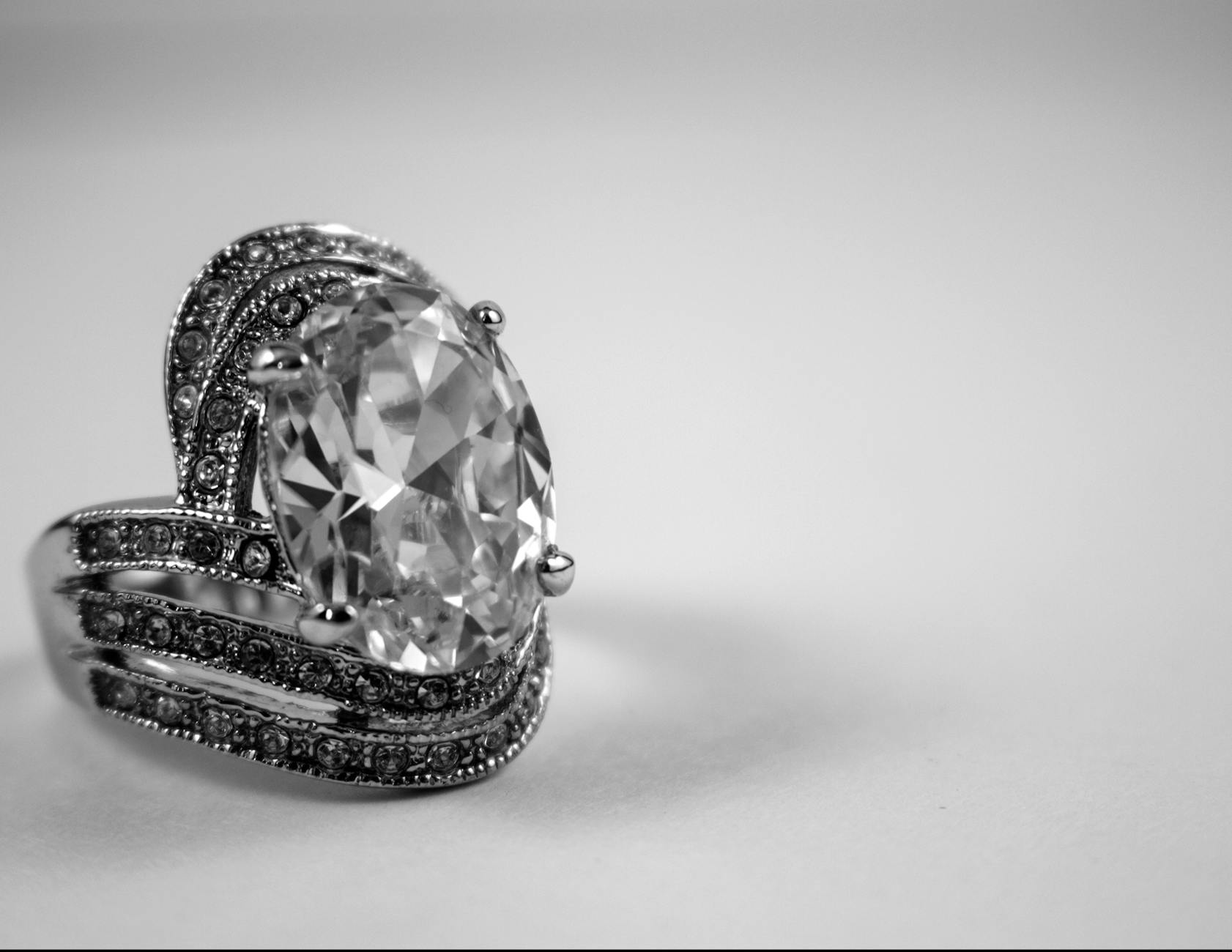
This is where a precious metals and quality jewelry investment makes particular sense. When the rest of your outfit speaks quietly, accessories carry more weight. A well-chosen watch, a subtle gold chain, quality rings”these become focal points rather than afterthoughts. The principle remains consistent with the overall philosophy: fewer pieces, higher quality, more intention.
The comparison between jewelry in streetwear versus grown style illustrates the shift well. Streetwear often favored stacked chains, multiple rings, and visible branding”more is more. Refined style tends toward single statements: one watch, one ring, perhaps a bracelet. The pieces themselves can be bold, but the overall effect should be cohesive rather than chaotic. A solid gold chain under a cashmere crewneck makes a different statement than the same chain over a graphic hoodie”both valid, but distinctly different contexts.
Where Grown Style Is Heading Beyond 2026
The trajectory suggests this refinement trend has staying power beyond a single season. The underlying drivers”a desire for quality over quantity, sustainability concerns, rejection of disposable fast fashion”point toward continued evolution rather than sudden reversal. The brands succeeding now are those building wardrobes meant to last, not ones chasing micro-trends.
For those making this transition, the implication is encouraging: investments made now in quality foundation pieces should pay off over time rather than feeling dated in two years. The cashmere sweater you buy this season will still work in five seasons. The quality leather shoes will break in and improve. This is the ultimate expression of grown style’s value proposition”not just looking better now, but building something that compounds.
Conclusion
Dressing grown without losing drip comes down to translation rather than transformation. The same principles that made streetwear compelling”attention to fit, awareness of proportion, personal expression through clothing choices”apply directly to refined style. The vocabulary changes: cashmere for cotton, loafers for sneakers, tailored trousers for joggers. But the grammar stays the same. You’re still building outfits with intention, still paying attention to how pieces work together, still expressing something about who you are and how you move through the world. The practical path forward is gradual replacement.
Identify the pieces that anchor your current wardrobe and find their refined equivalents. Invest in quality where it matters most”outerwear, shoes, knitwear”and let basics remain basics. Pay attention to silhouette shifts: the looser trouser, the longer hem, the relaxed-but-structured fit. And remember that sophistication is ultimately about restraint and intention, not about spending more or wearing less. The drip was never really about the clothes. It was about how you wore them.