

The best Jordan alternatives for less are Nike Dunks, New Balance 550s, and Adidas Forums””sneakers that deliver similar aesthetics and quality at prices $40 to $120 below standard Jordan retail. With Air Jordans now commanding $170 to $220 for standard releases and limited editions soaring past $500 on resale markets, these alternatives offer a practical path to the high-top silhouette and basketball heritage look without the premium price tag. The Nike Dunk Low, for instance, retails between $110 and $135, saving you roughly $40 to $85 compared to a comparable Jordan 1. This price gap exists not because alternatives are inferior, but because the Jordan brand carries cultural cachet that inflates its market value beyond the cost of materials and manufacturing.
In fact, the visual connection between Jordans and Dunks is no coincidence””designer Peter Moore created both the Air Jordan 1 and the Nike Dunk, which explains their nearly identical silhouettes. Understanding this shared DNA helps explain why alternatives can satisfy the same aesthetic desires at a fraction of the cost. This article examines the top alternatives across multiple price points, explains the design connections that make certain substitutes particularly convincing, and provides specific pricing to help you make an informed decision. Whether you are looking for a casual sneaker under $100 or a premium alternative that rivals Jordan quality, the options covered here represent the strongest values in the current market.
Table of Contents
- Why Do Nike Dunks Make the Best Jordan Alternative?
- How New Balance 550 and 650 Compare to Air Jordans
- The Budget Tier: Alternatives Under $100
- Design Heritage: Understanding Why Alternatives Work
- Common Pitfalls When Choosing Jordan Alternatives
- Styling Alternatives for Different Occasions
- The Future of Jordan Pricing and Alternative Value
- Conclusion
Why Do Nike Dunks Make the Best Jordan Alternative?
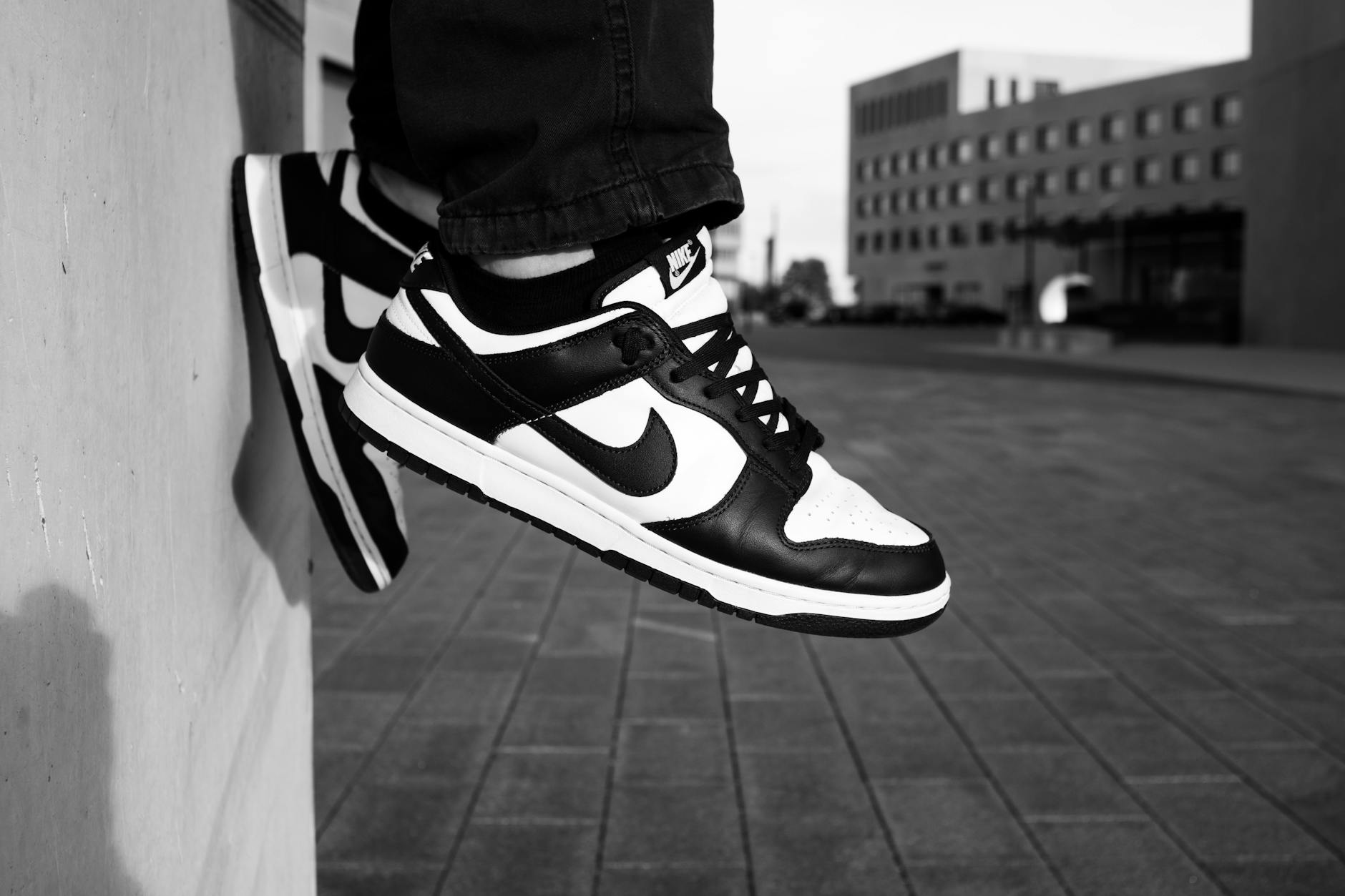
Nike Dunks consistently rank as the most compelling jordan alternative because they share literal design DNA with the Air Jordan 1. When Nike released the Dunk in 1985 as a basketball shoe, it utilized the same foundational design language Peter Moore had established for the Jordan line just a year earlier. The paneling, the high-top collar, the Swoosh placement””these elements mirror the Jordan 1 so closely that casual observers often confuse the two silhouettes. Current Dunk pricing makes the comparison even more favorable.
The 2026 Nike Dunk Low releases demonstrate consistent savings: the Dunk Low “Roses” retails at $140, the Dunk Low PRM “Black” at $135, the Dunk Low “Corduroy” at $125, and the Dunk Low “Soft Pearl” at $130. Compare these to the Air Jordan 1 High OG “UNC Reimagined” at $180 or the Air Jordan 1 Low OG “Obsidian” at $140, and the savings become clear. The Dashawn Jordan x Nike SB Dunk Low, a skateboarding collaboration, matches the Jordan 1 Low price point while offering specialized performance features. The Dunk also carries its own cultural weight, particularly in skateboarding and streetwear circles, which means you are not simply buying a “budget Jordan” but rather an iconic sneaker with its own heritage. This distinction matters to collectors who want authentic style rather than an obvious compromise.
How New Balance 550 and 650 Compare to Air Jordans
New Balance has emerged as a credible Jordan alternative, particularly with the 550 and 650 models that evoke 1980s basketball aesthetics similar to vintage Jordans. The New Balance 550 retails between $100 and $110″”representing savings of $70 to $110 compared to standard Jordan releases. The clean leather construction and retro basketball styling appeal to the same sensibilities that draw people to Jordan 1s and 3s. However, if you prioritize the exact Jordan silhouette over general basketball aesthetics, New Balance may not satisfy you.
The 550 and 650 have their own distinct shapes, lower ankle collars, and a chunkier midsole profile that differs noticeably from Jordan proportions. Buyers who want “the Jordan look specifically” rather than “retro basketball style broadly” may find these alternatives less convincing, despite their quality and value. The New Balance 650 deserves particular mention as an alternative to the Air Jordan 4, which carries premium pricing like the Nike SB x Air Jordan 4 “Navy” at $225. The 650 delivers high-top basketball styling at retail prices that undercut the Jordan 4 significantly, making it the go-to choice for buyers who want that specific mid-1980s high-top look without the Jordan premium.
The Budget Tier: Alternatives Under $100
For buyers prioritizing value above all else, several options deliver respectable style at dramatically lower price points. The Converse Chuck 70 High, priced between $65 and $85, represents the floor for quality alternatives. While the Chuck 70 lacks the basketball-specific design elements of Jordans, its high-top silhouette and canvas construction have their own cultural credibility””the shoe predates Jordans and influenced the entire sneaker category. The Puma Court Rider 2.0 at approximately $75 offers a more basketball-adjacent option for budget buyers.
Puma has invested heavily in basketball design, and while the brand lacks Jordan’s cultural dominance, the Court Rider delivers legitimate performance features and styling at less than half the price of a standard Jordan release. For buyers who want to actually play basketball rather than wear sneakers as fashion items, this price-to-performance ratio proves difficult to beat. These budget alternatives work best for buyers who want the general category of “high-top sneaker with athletic heritage” rather than a specific Jordan-mimicking design. Setting expectations appropriately prevents disappointment””a $75 Puma will not fool anyone into thinking you are wearing $200 Jordans, but it will provide a functional, stylish sneaker at a fraction of the cost.
Design Heritage: Understanding Why Alternatives Work
The Nike Blazer deserves mention as an alternative that actually predates the Jordan 1 but shares clear visual design elements””proving that much of what people love about Jordan aesthetics originated in earlier Nike basketball designs. The high-top silhouette, the leather construction, and the clean panel layouts that define “the Jordan look” existed before Michael Jordan signed with Nike. This historical context helps explain why alternatives feel authentic rather than derivative. When considering any alternative, the design connection to original basketball footwear matters more than superficial similarity to Jordans specifically.
The Adidas Forum, for example, draws from the same 1980s basketball design vocabulary as early Jordans, offering comparable pricing to Dunks while providing a distinct three-stripe aesthetic. Buyers who appreciate the era and the category rather than the specific brand often find these alternatives more satisfying than those rigidly attached to the Jordan silhouette. The tradeoff involves recognizability. Jordans communicate a specific cultural message that alternatives cannot replicate, regardless of design quality or material construction. Buyers must decide whether they are purchasing sneakers as aesthetic objects or as cultural signifiers””the former allows much more flexibility in brand selection.
Common Pitfalls When Choosing Jordan Alternatives
The most frequent mistake buyers make is selecting alternatives based solely on price without considering intended use. A $65 Converse Chuck 70 may save $115 compared to a Jordan 1, but canvas construction performs poorly in wet conditions and provides minimal cushioning for extended wear. Buyers who plan to actually use their sneakers for walking, light exercise, or all-weather wear should factor durability and comfort into their calculations. Resale value represents another consideration often overlooked in the alternative discussion. While Jordan releases frequently appreciate on secondary markets””making them quasi-investments for some buyers””most alternatives depreciate immediately after purchase.
The Air Jordan 11 Low “Bred” at $190 retail might sell for $250 or more on resale markets, while a Nike Dunk at $130 retail typically sells for the same or less used. Buyers motivated by potential resale returns should recognize that alternatives rarely offer this upside. Sizing inconsistency between brands also creates problems. New Balance, Nike, Adidas, and Puma all use slightly different sizing standards, meaning your Jordan size may not translate directly. Always try alternatives in person when possible, or purchase from retailers with free return policies.

Styling Alternatives for Different Occasions
The Adidas Forum works particularly well for buyers who want Jordan-adjacent styling with European fashion credibility. While Jordans dominate American streetwear, Forums carry stronger associations with continental European style””making them the better choice for outfits that lean toward minimalist or high-fashion aesthetics rather than American sportswear.
For workplace environments where sneakers are acceptable but loud branding feels inappropriate, the New Balance 550 in neutral colorways offers the cleanest presentation. The small “N” logo reads as understated compared to the prominent Jumpman or Swoosh, allowing the sneaker to complement rather than dominate professional-casual outfits.
The Future of Jordan Pricing and Alternative Value
Jordan Brand shows no signs of moderating its pricing strategy, with 2025 releases confirming the $180 to $225 range for standard-to-premium offerings. This pricing trajectory suggests alternatives will only become more relevant as the gap widens between Jordan retail and competing brands.
Nike’s Dunk line, despite price increases from its 2020-era lows, still maintains a meaningful discount that rewards buyers willing to choose function over status. The broader sneaker market appears to be segmenting into luxury pricing for heritage brands and aggressive value positioning from competitors. For buyers who view sneakers as footwear rather than collectibles, this segmentation creates opportunities to capture excellent quality at reasonable prices””as long as you can resist the cultural pull of the Jumpman logo.
Conclusion
The best Jordan alternatives combine design heritage, quality materials, and pricing that respects your budget. Nike Dunks offer the closest visual match at $110 to $140, New Balance 550s provide retro basketball styling for $100 to $110, and budget options like the Converse Chuck 70 deliver acceptable style for $65 to $85. Each tier involves tradeoffs in cultural recognition, material quality, and specific design elements.
Your choice should reflect honest assessment of why you want Jordan-style sneakers in the first place. If the cultural signaling matters most, alternatives will disappoint regardless of quality. If you appreciate the aesthetic category and want the best value within it, the alternatives discussed here deliver equivalent or superior value for every dollar spent.