

Chrome Hearts represents one of the luxury jewelry market’s most aspirational brands, with prices often reaching $5,000 to $15,000 for signature pieces like their cross pendants and rings. If you’re drawn to Chrome Hearts’ aesthetic—intricate sterling silver work, bold gothic motifs, premium craftsmanship—but deterred by the price tags, several alternatives deliver comparable quality and design philosophy at 40 to 70 percent lower costs. Brands like CHROME, Sp5der, and boutique silversmiths offer the same attention to detail and material integrity without the luxury markup that comes with the Chrome Hearts name.
The good news is that finding quality alternatives doesn’t mean settling for inferior craftsmanship. Many competitors source the same high-grade sterling silver and offer comparable design complexity, particularly in cross designs, heavy link chains, and sculptural rings. The key difference is distribution model and brand positioning: Chrome Hearts maintains exclusivity through limited production and selective retail, while alternatives achieve lower prices by using direct-to-consumer channels or less expensive retail networks.
Table of Contents
- What Makes Chrome Hearts Expensive and What You’re Actually Paying For
- High-Quality Sterling Silver Alternatives with Similar Aesthetics
- Boutique Silversmiths and Made-to-Order Options
- Mid-Tier Luxury Brands Offering Better Value
- Online Jewelry Retailers and the Risk of Counterfeit Alternatives
- Design Elements You Can Find Elsewhere
- The Future of Accessible Luxury Jewelry and Why Prices Matter
- Conclusion
What Makes Chrome Hearts Expensive and What You’re Actually Paying For
chrome Hearts’ premium pricing reflects several factors beyond the physical product. The brand maintains tight control over distribution, producing limited quantities and selling primarily through select high-end boutiques and their own locations in major cities. This scarcity strategy—deliberate underproduction relative to demand—allows them to maintain price floors that secondary markets support. A single chrome hearts cross pendant retails for $3,800 to $4,500, not because the materials alone justify that cost, but because the brand has successfully positioned itself as aspirational luxury alongside established names like Tiffany and Cartier.
The actual material costs—sterling silver or 18k gold—represent roughly 15 to 25 percent of the retail price for most Chrome Hearts pieces. The remainder covers design development, manufacturing expertise, retail overhead in high-rent locations, marketing, and brand equity. When you buy a Chrome Hearts ring, you’re paying substantially for the privilege of owning something that signals wealth and taste to others who recognize the brand. This is the luxury tax, and it’s entirely optional if your goal is simply to own beautiful, well-made jewelry.
High-Quality Sterling Silver Alternatives with Similar Aesthetics
If you want the Chrome Hearts look without the Chrome Hearts cost, CHROME (no relation) offers heavy sterling silver pieces with comparable gothic and architectural themes. Their cross pendant runs $800 to $1,200—substantially less than Chrome Hearts—and uses identical material gauges (roughly 4mm sterling silver stock). The difference is visibility: CHROME doesn’t advertise in luxury publications and relies on word-of-mouth and social media, which keeps overhead low enough to pass savings to buyers. One limitation worth noting: CHROME and similar brands don’t hold secondary market value the way Chrome Hearts does.
If you purchase a Chrome Hearts piece for $4,000, it will likely resell for $3,000 to $3,500 on Grailed or specialty jewelry resale platforms because the original brand equity follows the piece. A comparable CHROME piece bought for $1,000 might only resell for $400 to $600. This matters if you view jewelry as a liquid asset or potential inheritance piece; it’s less relevant if you’re buying to wear. Factor this into your decision: are you buying jewelry for personal enjoyment or as an investment that retains value?.
Boutique Silversmiths and Made-to-Order Options
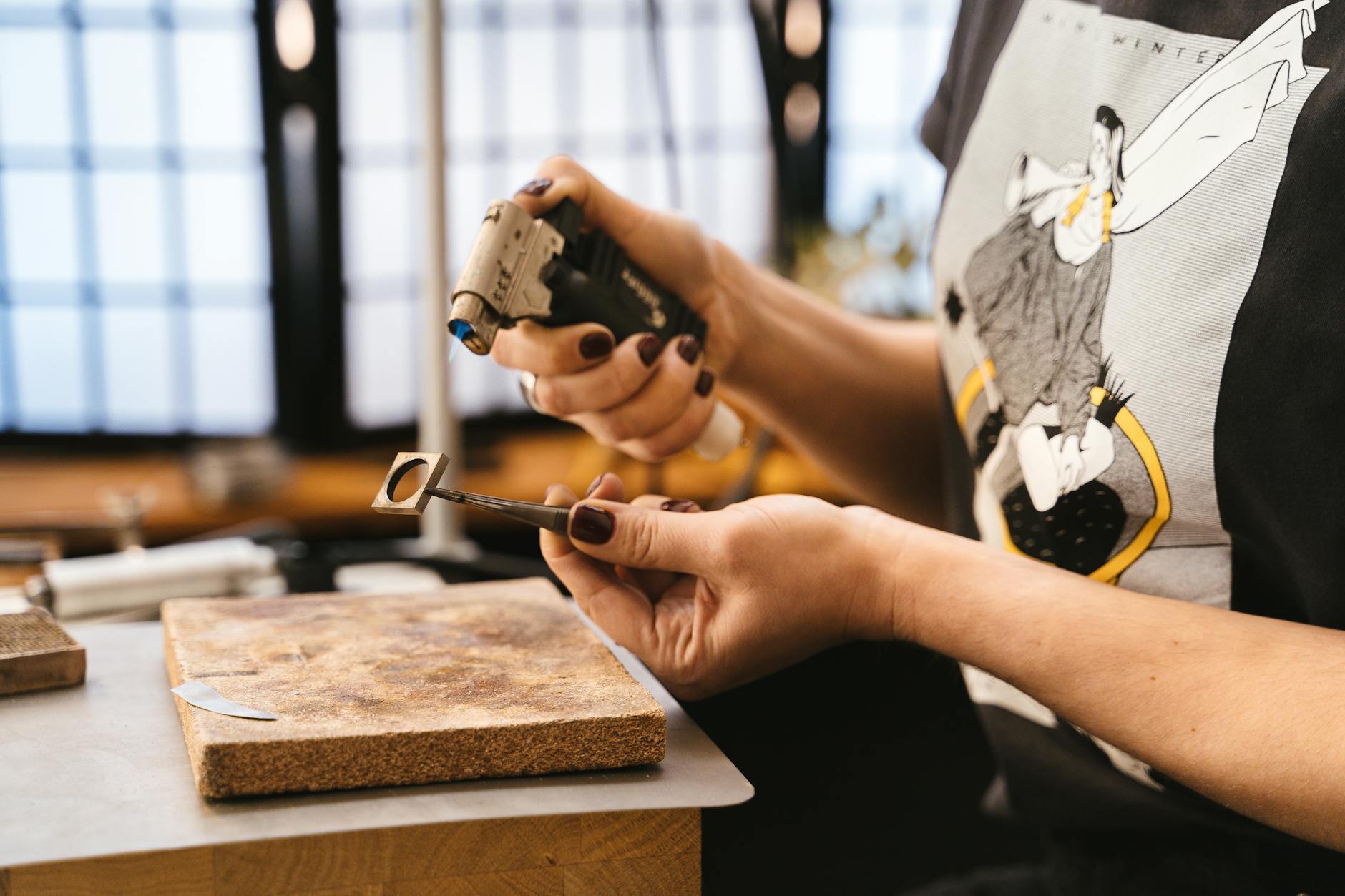
Independent silversmiths and small jewelry studios increasingly offer custom alternatives that exceed Chrome Hearts’ quality for comparable pricing. Shops on Etsy or Instagram that specialize in hand-forged sterling silver work allow you to specify exact designs—cross size, weight, patina finish—and often produce pieces in 4 to 8 weeks. A hand-forged silver cross from a skilled artisan typically costs $600 to $1,500 and carries the advantage of being genuinely unique rather than mass-produced limited edition.
For example, a Brooklyn-based silversmith might charge $900 for a custom heavy cross pendant that weighs 35 grams (comparable to Chrome Hearts) and finished with an oxidized patina. You get personal communication with the maker, the ability to adjust proportions or include personalized details, and the knowledge that you’ve supported independent craftsmanship. The tradeoff is timeline and variability: if you need the piece in two weeks, custom work won’t work, and minor inconsistencies in hand-forged items are features, not bugs, but not everyone appreciates that aesthetic.
Mid-Tier Luxury Brands Offering Better Value
Brands positioned between mass-market and ultra-luxury—such as Sp5der, Needles, and Palm Angels—produce silver jewelry at price points 50 to 60 percent below Chrome Hearts while maintaining quality standards. Sp5der’s sterling silver pieces emphasize web and graphic motifs rather than crosses, but use the same material integrity and hit similar weight targets (30 to 40 grams for chains and substantial pieces). A Sp5der chain typically costs $1,200 to $1,800 compared to Chrome Hearts’ $3,500 to $5,000 for equivalent weight and complexity.
The practical advantage of these mid-tier brands is that they’re easier to acquire: no waiting lists, pieces available through established retailers like Dover Street Market or SSENSE, and return policies that work if you change your mind. The tradeoff is that they’re more available, which means less scarcity appeal. If part of Chrome Hearts’ attraction is owning something few people have, mid-tier alternatives inherently offer less of that exclusivity. However, if you’re primarily motivated by design and material quality, the value difference is substantial.
Online Jewelry Retailers and the Risk of Counterfeit Alternatives
The secondary market and online retailers have exploded with Chrome Hearts alternatives, but this space carries real risks. Counterfeit Chrome Hearts pieces flood platforms like eBay and lesser-known jewelry sites, and distinguishing authentic boutique silver work from counterfeits requires expertise most buyers lack. The specific risk: a seller may offer “Chrome Hearts-inspired” pieces that are actually counterfeit Chrome Hearts, using stolen designs and stamping the Chrome Hearts hallmark without authorization. Always verify provenance through the original retailer or brand directly if purchasing pre-owned.
When shopping alternatives, stick to established retailers or brands with verifiable histories and return policies. If a deal seems too good—a Chrome Hearts cross for $1,000 on a third-party marketplace—it likely is. Legitimate alternatives from boutique makers should come with documentation of materials (certification that sterling is genuinely 925 stamped) and maker information. Insist on photos showing hallmarks and ask detailed questions about sourcing. This extra effort prevents wasting money on sub-standard or counterfeit pieces.

Design Elements You Can Find Elsewhere
Chrome Hearts’ signature designs—the cross, the fleur-de-lis, the dagger, skull motifs—aren’t proprietary, and dozens of makers create similar pieces. The distinction is execution: Chrome Hearts’ proportions and finishing techniques have been refined over decades. But if you’re looking for a gothic aesthetic rather than the specific Chrome Hearts interpretation, you have substantial freedom.
Builders like Martine Rose and emerging streetwear jewelry brands produce heavy silver work with comparable gothic sensibilities at lower price points. A practical approach: identify which specific Chrome Hearts design attracts you—is it the proportions of their classic cross, or just the general gothic aesthetic? If it’s the latter, you have flexibility to explore artists and smaller brands. If it’s the former, you might be better served waiting for a secondhand Chrome Hearts piece in good condition, which sometimes appears at 20 to 40 percent discounts, rather than accepting a design compromise from an alternative brand.
The Future of Accessible Luxury Jewelry and Why Prices Matter
The luxury jewelry market is slowly democratizing as younger buyers increasingly reject the scarcity model that justified extreme markups. Brands like Jacquemus and Marine Serre have proven that strong design sells without requiring exclusivity barriers, and this pressure is gradually forcing traditional luxury to reconsider pricing. Over the next 5 years, expect more established brands to launch secondary lines at mid-tier price points, creating legitimate alternatives that don’t exist today.
For now, alternatives remain scattered across independent makers and emerging brands, but the trajectory suggests more options at better prices ahead. If you’re committed to owning specifically Chrome Hearts, the brand shows no signs of increasing production or lowering prices, so secondary market purchases or waitlisting through retailers remains your path. If you’re motivated by the aesthetic and material quality, the time to explore alternatives has never been better. The silversmith community is more accessible than ever, boutique brands are producing comparable work, and the stigma of wearing non-luxury pieces has dissolved as consumers increasingly value craftsmanship over brand names.
Conclusion
Chrome Hearts’ premium pricing reflects brand positioning and scarcity strategy more than material costs or craftsmanship superiority. Numerous alternatives—from established mid-tier brands like Sp5der to independent silversmiths offering custom work—deliver comparable sterling silver quality, design complexity, and aesthetic appeal at substantially lower prices. The choice between Chrome Hearts and alternatives ultimately depends on whether you’re buying for personal enjoyment and design appreciation or as an investment vehicle that captures resale value.
If you’re drawn to the gothic, architectural aesthetic rather than the brand name specifically, exploring alternatives is a financially responsible decision that opens access to both established boutique makers and independent artisans. Start by identifying exactly which Chrome Hearts pieces appeal to you, research makers working in that specific style, and prioritize material certifications and maker documentation. You may discover that the piece you love isn’t a compromised alternative but a genuinely superior option from a maker you hadn’t previously encountered.