
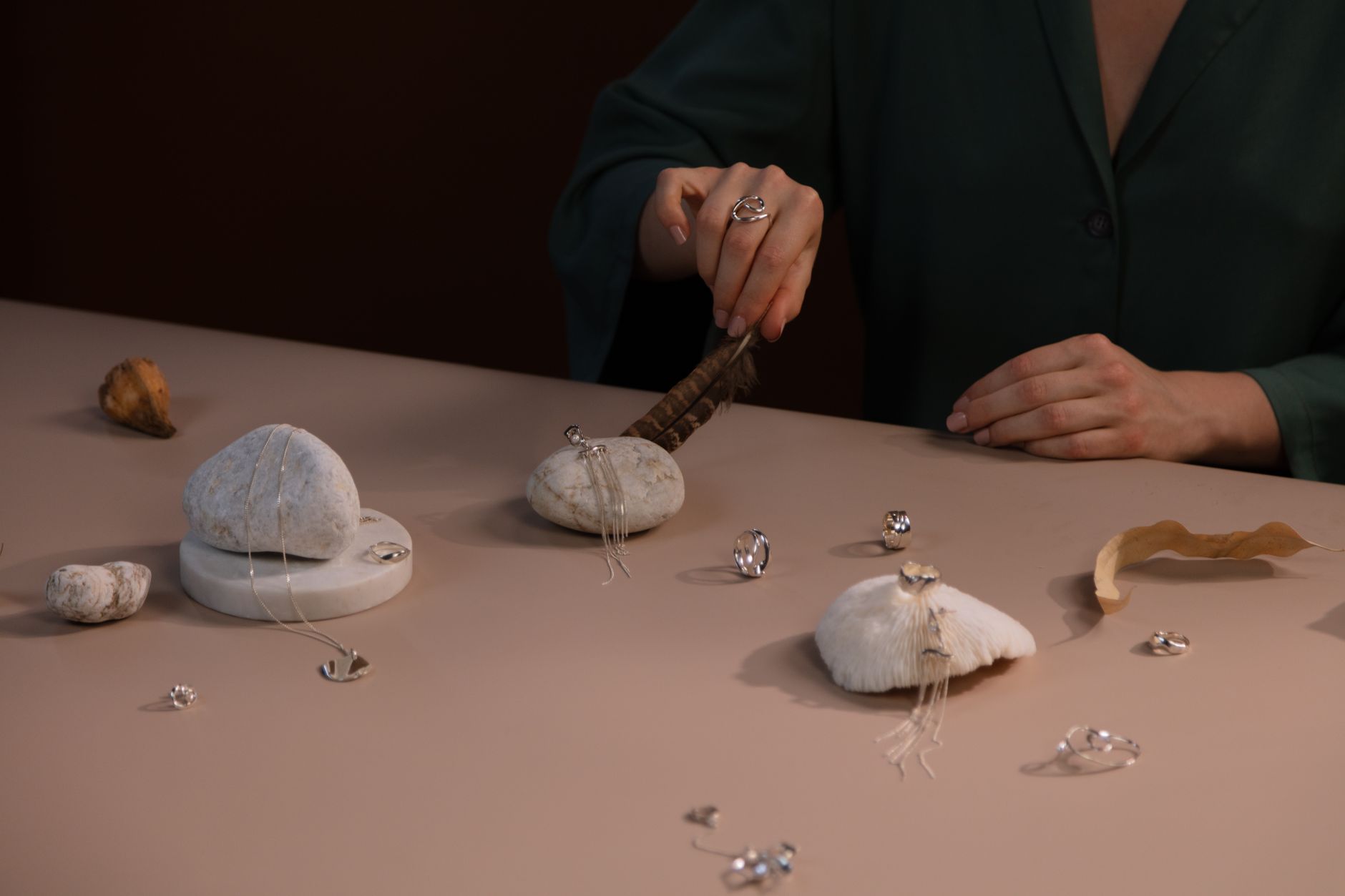
Do not treat an AI-generated jewelry photo as proof of the product you will receive. Verify the piece through current item-specific images, written specifications, independent report checks, and clear return terms. An AI-generated jewelry photo is a synthetic or heavily altered image used to represent a product. It may communicate a design accurately, but it cannot confirm that the seller possesses the pictured piece or that its materials match the description.
Table of Contents
- What can the listing image actually prove?
- Ask for evidence tied to the exact piece
- Verify materials and grading documents
- Decide whether the seller's proof is sufficient
- Protect the inspection and dispute window
What can the listing image actually prove?
A polished image can show the intended shape, color, and stone arrangement. It cannot establish weight, dimensions, metal purity, gemstone identity, construction quality, or the condition of a particular item. Look for clues such as inconsistent prongs, impossible reflections, blurred hallmarks, or details that change between images.
Treat these as reasons to investigate, not as proof that an image was generated or altered. Image-provenance records do not solve the product-verification problem. The C2PA standard says Content Credentials can document an image's origin and editing history, but provenance alone cannot prove that the pictured product is real or accurately represented.
Ask for evidence tied to the exact piece
Request new photos of the item being sold, especially for estate jewelry, pre-owned watches, loose stones, and one-of-a-kind pieces. The FTC notes that without photos of the actual item, marketplace buyers cannot assess its condition or be certain the seller possesses it.
Ask the seller to provide: A dated note or video can also be fabricated, so use several forms of evidence together. If the piece is made to order, request photos of the finished product before shipment and confirm whether approval affects cancellation or return rights.
- Front, back, side, clasp, setting, and hallmark views
- A photo beside a handwritten note showing the date and item number
- Images with a ruler and, when weight matters, a scale
- A short continuous video rotating the piece under ordinary lighting
- A written explanation of which listing images show the actual item
Verify materials and grading documents
Get the material description in writing. It should state the metal, fineness or alloy, plating, gemstone type, treatments disclosed by the seller, dimensions, weight, and whether stones are natural, laboratory-grown, or imitation. For a loose diamond sold with a GIA report, enter the report number into GIA Report Check yourself.
GIA explains that the database details and a matching girdle inscription can help connect the received diamond to its report. Do not rely solely on a photograph or PDF supplied by the seller. A hallmark is useful supporting evidence, but it does not confirm every listing claim. For a high-value purchase, make the sale contingent on inspection by an independent jeweler or qualified gemological laboratory within the return window.
Decide whether the seller's proof is sufficient
Compare every source of information before paying. The title, description, photographs, invoice, grading report, and seller messages should agree on the same materials, measurements, stone count, condition, and identifying numbers.
Consider walking away when the seller: For custom jewelry, some physical evidence cannot exist before production. Reduce that uncertainty with an exact written design, stone specifications, target measurements, metal details, completion photos, approval steps, and a clear remedy if the finished piece differs.
- Refuses to provide current, item-specific images
- Uses only beauty shots while claiming the pictured item is unique
- Avoids stating weight, dimensions, alloy, or stone origin
- Sends a report number that does not match the listed characteristics
- Pressures you to pay before answering verification questions
Protect the inspection and dispute window
Save the complete listing before it changes, including images, specifications, delivery promises, seller messages, receipt, and return policy. When the package arrives, document its condition and compare the jewelry promptly with those records. Check dimensions, weight, markings, stone layout, finish, clasp, prongs, condition, and report number before removing tags or altering the piece.
If anything differs, notify the seller in writing and follow the marketplace or card issuer's dispute procedure. The FTC advises preserving transaction records and says credit-card users may dispute an undelivered, wrong, or defective item. The buyer should give prompt notice and send the written billing dispute within 60 days of the first statement showing the error.