

Styling a watch the right way means considering the metal tone, occasion, and the other metals and accessories you’re wearing. A steel sports watch demands a completely different approach than a gold dress watch, just as a casual everyday piece plays by different rules than something you’d wear to a black-tie event. The goal isn’t to follow rigid rules but to understand how your watch functions as a visual anchor in your overall appearance—it’s often the piece that catches light and draws attention, so coordination matters.
The fundamentals come down to three things: matching your watch’s metal to your other jewelry, considering the watch’s formality relative to the occasion, and understanding your own style vocabulary. A woman wearing a rose gold engagement ring and bracelet will look cohesive wearing a rose gold watch, while mixing three different metal tones without intentional contrast creates visual confusion. Similarly, a vintage diver watch on a rubber strap has no business at a formal dinner, just as a delicate dress watch on a leather strap looks undersized and out of place on a construction job site.
Table of Contents
- What Metal Tone Should Your Watch Match?
- Matching Watch Formality to Occasion
- Coordinating Watch Style With Your Personal Aesthetic
- How to Coordinate Watches With Bracelets and Jewelry
- Understanding Strap Choices and Their Styling Implications
- Color Coordination Beyond Just Metal Tone
- Future Considerations for Long-Term Styling
- Conclusion
- Frequently Asked Questions
What Metal Tone Should Your Watch Match?
The most practical approach is to keep your primary metals consistent. If you’re wearing yellow gold jewelry, a yellow gold watch creates a unified, intentional look. Rose gold, white gold, and stainless steel each have their own visual temperature and undertone. Mixing metals deliberately—for instance, pairing a white gold watch with rose gold accent jewelry—works only when it’s clearly intentional and balanced; random mixing reads as unsorted or unsophisticated.
Stainless steel is the most versatile option because it bridges warm and cool tones. It pairs naturally with white gold, complements rose gold if the watch has warm undertones in its dial, and works with yellow gold in more casual contexts. This versatility makes steel sports watches so popular across different styles. However, there’s an important caveat: a bright, polished steel watch will look harsh next to matte or satin-finished jewelry, so finish compatibility matters as much as metal type.

Matching Watch Formality to Occasion
A watch’s case size, dial complexity, and band material signal its formality level. Large cases with busy dials and thick sports bands announce casualness, while slim cases with minimal indexes and thin leather bands whisper elegance. Wearing a oversized chronograph to a formal dinner doesn’t work because the watch competes with the overall formal aesthetic; it looks like you prioritized functionality over appearance. Conversely, a delicate 28mm dress watch on a thin leather strap looks inadequate for a weekend hike—it appears fragile and out of its element.
Leather bands generally communicate more formality than metal bracelets or rubber straps. A stainless steel watch on a three-link bracelet works for business or casual environments, but add a leather strap and it becomes noticeably dressier. The color of the leather matters too: black or dark brown leather reads as more formal; lighter tans and lighter colors are casual. This is important to understand because a watch you love might feel wrong in certain contexts simply because its band choice conveys the wrong mood.
Coordinating Watch Style With Your Personal Aesthetic
Your watch should feel like an extension of your personal style, not a jarring outlier. Someone who gravitates toward minimalist jewelry and clean lines will feel uncomfortable in a watch with an overly complicated dial or aggressive styling. Conversely, someone who loves vintage aesthetic and interesting details needs a watch with character. The mismatch creates cognitive dissonance—you’ll find yourself avoiding wearing the piece or feeling self-conscious. Consider the overall visual weight too.
If you wear delicate, thin jewelry, a massive sports watch will look disproportionate on your wrist, even if the metal matches. If you favor substantial, prominent jewelry pieces, a tiny ladies’ watch might look lost. This isn’t about right or wrong—it’s about internal consistency. A vintage-loving collector might choose a 1970s diver watch that’s slightly oversized by modern standards, and that authenticity to their aesthetic makes it work perfectly. The rule is internal coherence, not external conformity.
How to Coordinate Watches With Bracelets and Jewelry
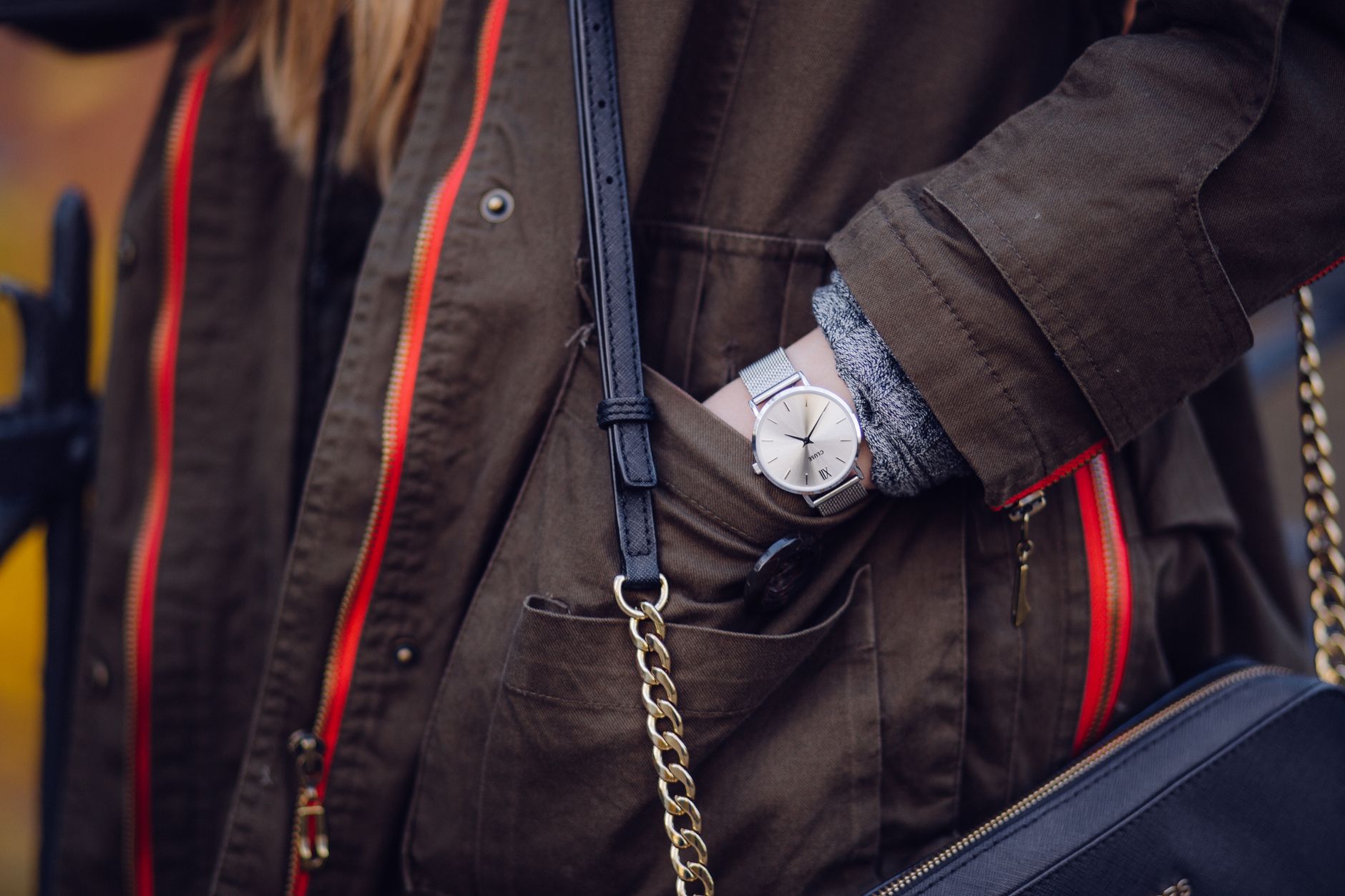
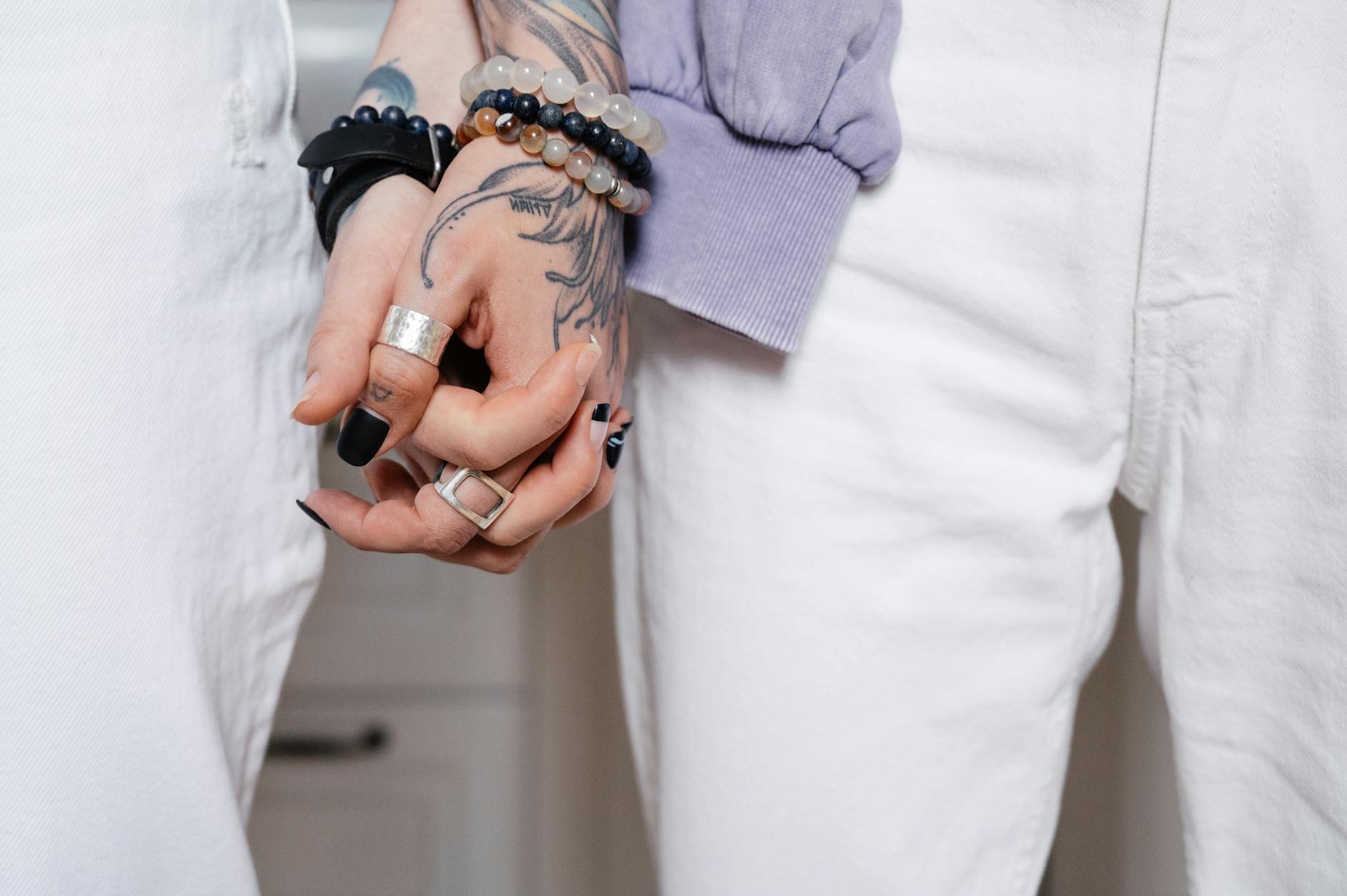
The watch itself functions as a bracelet, so avoid creating a cluttered wrist. Many jewelry experts suggest a simple rule: if you’re wearing other bracelets or bangles, the watch should be one of your few pieces. A watch, one delicate bracelet, and perhaps a ring creates balance. Wearing a watch alongside three other bracelets, even if metals match perfectly, creates visual chaos.
When you do wear multiple pieces, the watch typically anchors the look. Place it slightly up the wrist, closer to the base of your hand, while other bracelets sit higher on your forearm. This creates separation and prevents them from visually merging. A practical limitation here: if you prefer wearing multiple pieces simultaneously, you’re better off choosing watches with thinner cases and more delicate proportions. A chunky sports watch simply can’t share wrist real estate successfully with other elements, no matter how well the metals match.
Understanding Strap Choices and Their Styling Implications
The strap or bracelet you choose is often more important than the case itself when it comes to versatility. The same watch on a metal bracelet reads entirely differently than on leather or rubber. Metal bracelets tend toward business-casual and everyday wear; they’re durable and coordinate easily with other metals. Leather straps, especially in black or brown, add formality and elegance but require maintenance and limit versatility across different wardrobe seasons.
A crucial warning: leather straps age visibly and sometimes unpredictably. A watch you wear with a black leather strap might develop creasing or discoloration that makes it unsuitable for formal occasions. If you invest in a fine watch and pair it with a leather strap, be prepared to replace that strap periodically. This is both an advantage and a limitation—it means you can experiment with different strap colors and materials, but it also means treating the strap as a consumable rather than permanent. Rubber and fabric straps offer durability but are harder to dress up for formal occasions.
Color Coordination Beyond Just Metal Tone
The dial color and bezel color matter more than many people realize. A watch with a deep blue dial reads differently in natural light than one with a black dial, even if both are in the same metal case. Navy and deep blue dials have become popular because they’re formal enough for business wear but not as severe as black, making them versatile across occasions.
A silver dial reflects light and can feel more casual or sporty depending on the dial finish; a matte black dial reads as serious and professional. If you’re wearing navy, black, or muted earth tones (common wardrobe anchors), a watch with a blue, black, or silvery dial will coordinate naturally. If your style includes brighter or warmer colors, a warmer-toned dial (champagne, cream, bronze) or a dial with depth and character (sunburst, textured) creates visual interest without clashing. An example: a rose gold watch with a champagne dial pairs beautifully with warm autumn clothing and rose-toned accessories, while the same watch might feel slightly odd against cool grays and blacks.
Future Considerations for Long-Term Styling
As trends shift—and they do, even in the conservative watch world—it’s worth thinking about versatility when you buy. A watch that’s extremely trendy in style (oversized cases, colorful dials, unconventional shapes) might feel dated quickly. Classic watches with clean designs remain wearable across decades because they don’t announce a specific era. This doesn’t mean avoiding character; it means choosing watches that feel timeless in their fundamental design, even if they have distinctive features.
The best watches are the ones you’ll wear regularly and in varied contexts. A dress watch that never leaves your jewelry box isn’t serving you well, no matter how beautiful it is. Similarly, buying a watch purely because it matches your current wardrobe is shortsighted—your style evolves, your jewelry changes, and you’ll wear different things seasonally. The ideal approach is finding a piece that feels substantial and special enough to invest in, but versatile enough to partner with many different outfits and occasions over years of wear.
Conclusion
Styling a watch well boils down to understanding three interconnected factors: visual coordination (metals, finishes, and colors that work together), contextual appropriateness (matching the watch’s formality to the occasion), and personal authenticity (choosing something that feels genuinely like you, not what you think you should wear). When these elements align, a watch becomes more than a functional timekeeper—it becomes a considered part of how you present yourself.
The most useful approach is to build your watch collection slowly, choosing pieces that feel versatile enough to work across multiple contexts while maintaining their integrity of purpose and design. Start with metal and band choices that align with your existing jewelry and wardrobe, then branch out into additional watches as your collection grows. The goal isn’t to have a watch for every occasion, but to ensure that the watches you do own integrate seamlessly into your personal style and feel appropriate across the situations where you’ll actually wear them.
Frequently Asked Questions
Can I wear a steel watch with gold jewelry?
Yes, but approach it intentionally. Stainless steel works best with white gold or as an accent against rose gold. Mixing steel with yellow gold requires either a significant amount of steel jewelry already in your wardrobe or consciously choosing contrast as your styling goal. Random mixing tends to look unfinished rather than sophisticated.
Should my watch match my engagement ring metal?
Ideally yes, if those are your primary metal anchors. If your engagement ring is platinum or white gold, a white gold or steel watch maintains cohesion. If your ring is rose gold or yellow gold, matching that metal in your watch creates visual harmony. Mixing metals across your most prominent jewelry pieces (ring, watch, bracelets) can work, but requires intentional styling and confidence.
Is it okay to wear a sports watch with business attire?
Depending on the watch and context, sometimes. A steel sports watch with a classic dial and modest case size (under 42mm) can work in business-casual environments, especially if the dial is restrained in design. However, a large chronograph with multiple subdials and a thick rubber strap will look out of place in formal business settings. When in doubt, a dress watch on leather is the safer choice.
How do I know if my watch is too big for my wrist?
A general guideline is that the watch lugs (the points where the band attaches) shouldn’t extend beyond the width of your wrist. However, personal style and proportions matter—someone with an affinity for vintage watches might embrace a slightly oversized piece. If the watch visually overwhelms your wrist or feels physically uncomfortable, it’s probably too large.
Can I wear multiple watches?
Technically yes, but practically, most people find it uncomfortable and visually awkward. Some collectors and watch enthusiasts wear watches on each wrist, which works as a deliberate styling choice. If you want multiple watches, the better approach is rotating them based on occasion and outfit rather than wearing several simultaneously.
Should I match my watch band to my shoes?
This was a traditional styling rule, but modern dressing is more flexible. A leather watch band in black or brown will coordinate with most neutral wardrobes without needing to match shoes exactly. Thinking of your watch band as part of your metal/jewelry coordination (matching other accessories) matters more than matching footwear. That said, if your entire outfit is very coordinated and formal, having your watch band tone complement your shoe and belt leather creates a polished effect.