

When deciding between budget and expensive bags, the answer isn’t simply “expensive is better.” The choice depends on your needs, how often you’ll use the bag, and what you value most—whether that’s immediate affordability or long-term investment potential. A designer handbag from a luxury house like Hermès or Louis Vuitton will retain 60-80% of its value after five years, while a mass-market bag loses 80-90% of its value within months. However, a well-made mid-range bag from a reputable manufacturer may serve you perfectly for years without the luxury price tag, making budget options sensible for fashion-forward styles that won’t stay relevant.
The true difference lies in materials, craftsmanship, and durability rather than brand prestige alone. An expensive bag made from full-grain leather with hand-stitched construction will last 10-15 years with proper care, while a budget bag’s synthetic materials and machine-assembly typically give you 1-3 years of regular use. But context matters: a luxury bag is wasteful if you rarely carry it, just as a budget bag is a poor value if it needs replacing annually.
Table of Contents
- What Makes Expensive Bags Hold Their Value?
- The Hidden Costs of Budget Bags
- When Budget Bags Make Practical Sense
- Comparing the Real Investment Equation
- Material Quality and Longevity Warnings
- The Psychological and Practical Value of Ownership
- Future Durability and the Sustainability Question
- Conclusion
- Frequently Asked Questions
What Makes Expensive Bags Hold Their Value?
Premium bags hold their value because they’re constructed with materials that age gracefully and craftsmanship that withstands daily wear. A Hermès Birkin bag, for instance, uses full-grain leather that develops a desirable patina over time, hardware made from precious metals, and meticulous hand-stitching that prevents seams from unraveling after years of use. The leather itself is vegetable-tanned and sourced from suppliers with decades of relationships with the house, creating consistency and reliability that mass manufacturers cannot match.
Luxury brands also control supply and demand, deliberately limiting production to maintain exclusivity and resale value. A Chanel Classic Flap bag from 2015 now sells for significantly more than its original retail price because Chanel produces only so many each year. This scarcity, combined with cultural desirability and the emotional connection collectors develop with iconic designs, creates a secondary market where bags appreciate rather than depreciate. budget bags, by contrast, are mass-produced and quickly replaced by newer styles, so nobody seeks them on resale markets.
The Hidden Costs of Budget Bags
Budget bags often feature synthetic leather or PU (polyurethane), which cracks, peels, and discolors within 12-18 months of regular use. The glue used to attach handles and pockets deteriorates faster than stitching, meaning the handle breaks or separates from the body just when you‘ve grown attached to the bag. When you factor in replacing a budget bag every 1-2 years versus keeping an expensive bag for 10-15 years, the cost per year of use actually favors the luxury purchase—even before considering resale value. One critical limitation of cheap bags is their inability to be repaired professionally.
A luxury bag can visit a leather specialist or the brand’s own repair service to have handles replaced, stitching reinforced, or leather conditioned. A budget bag has no established repair ecosystem; once something breaks, replacement is usually the only option. Additionally, budget bags often use adhesive rather than stitching for structural elements, and adhesive can’t be reliably repaired. You’re essentially buying a temporary product with no recovery option.
When Budget Bags Make Practical Sense
Budget bags are genuinely the right choice for specific situations and lifestyles. If you travel frequently with checked luggage, a luxury leather bag risks damage from baggage handlers, climate changes, and harsh airport environments. A durable synthetic bag from a solid mid-range brand takes these risks without the heartbreak and expense of damaging a $3,000+ investment. Similarly, if you’re experimenting with a new style—say, trying structured handbags after years of soft slouchy bags—a $40-80 budget option lets you test the category risk-free before committing $800 to a designer version.
Parents managing multiple children’s schedules benefit from budget bags because they need something washable, scuff-resistant, and replaceable without guilt. A $30 nylon bag can be wiped clean, thrown in the wash, and replaced yearly without financial strain. Luxury leather would be impractical and emotionally stressful in these situations. Budget bags also suit professional environments where bags are simply functional tools—a $50 laptop bag used for commuting and meetings doesn’t need to be a statement piece or investment.
Comparing the Real Investment Equation
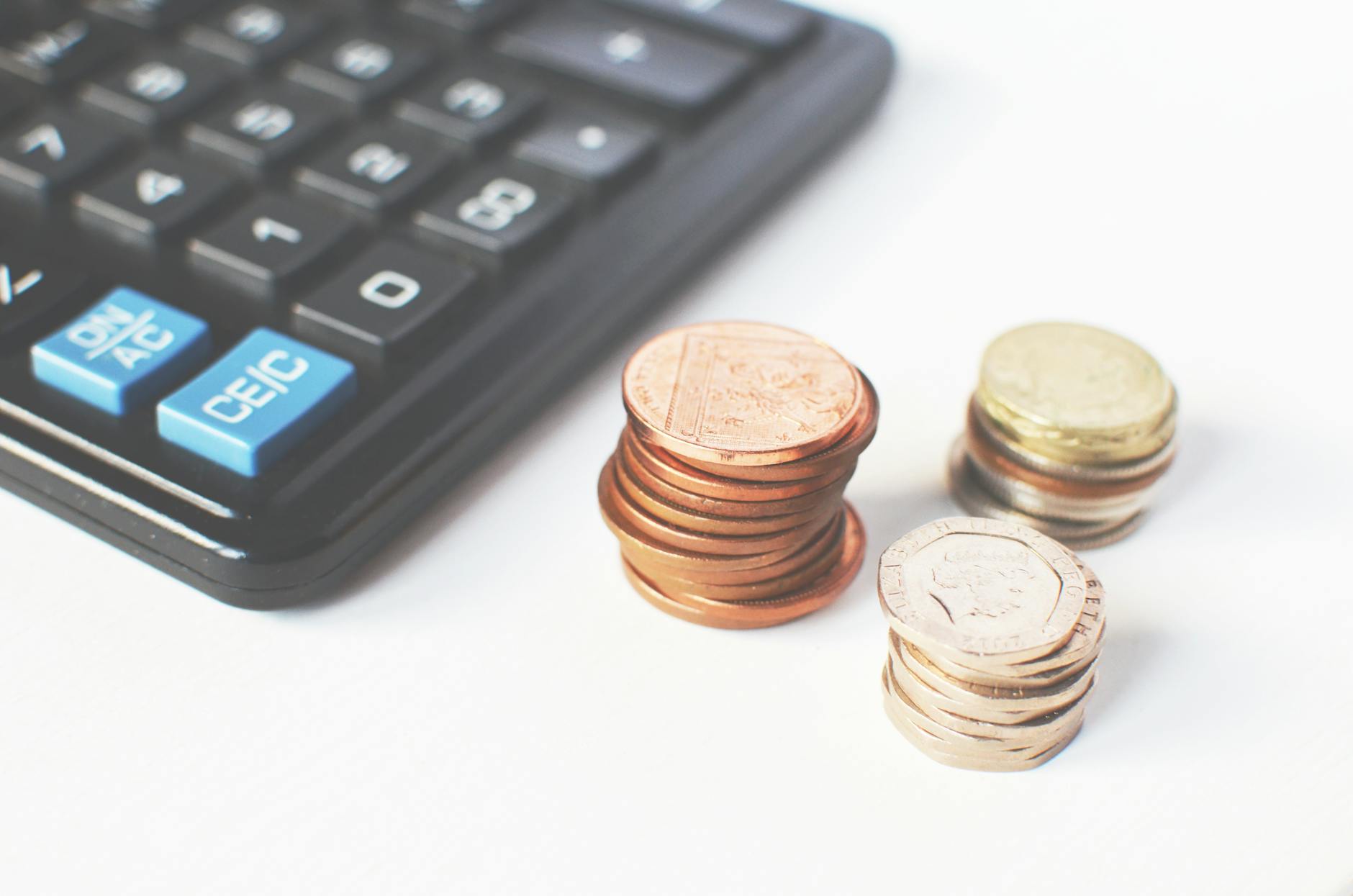
The true cost of ownership differs dramatically between categories. An expensive bag costs $2,000-5,000 upfront but holds 65-75% resale value after five years, making your net cost $500-1,750 over five years. A budget bag costs $30-100 but holds nearly 0% resale value and lasts 1.5-2 years, requiring replacement every 1.5-2 years. Over five years, you’ve spent $75-250 on budget bags but gotten minimal utility from any single one.
The expensive bag costs more initially but delivers lower cost per year of quality use and retains optionality—you can sell it if you need funds. The tradeoff shifts if you’re a serial trend-chaser who enjoys constantly rotating styles. Expensive bags are a financial trap if you buy a new one every season because each depreciates during the holding period, and frequent buying negates resale value advantages. Budget bags are more honest about their nature in this scenario: you’re renting a trend short-term, and the low price reflects that reality. The mistake is treating an expensive bag like a temporary trend piece when its value depends on long-term ownership.
Material Quality and Longevity Warnings
Synthetic leather has improved but remains categorically inferior to genuine leather for longevity. Polyurethane-coated fabrics are petroleum-based and degrade through exposure to heat, humidity, and UV light—conditions every handbag encounters. Real leather is a protein that requires conditioning and care but doesn’t chemically degrade the way synthetics do. After three years of regular use, a synthetic bag typically shows visible wear on handles, edge discoloration, and surface cracks that can’t be repaired professionally.
Hardware quality is another hidden differentiator that often gets overlooked. Budget bags frequently use zinc alloy or plated steel that tarnishes, discolors, and sometimes leaks colored residue onto the bag’s interior. Expensive bags use solid brass, gold-plated hardware, or stainless steel that tolerates daily contact with hands, lotions, and perspiration without degrading. A Hermès bag’s hardware can be polished and restored even after decades; a budget bag’s hardware typically just gets replaced with hardware from repair shops, never matching the original.
The Psychological and Practical Value of Ownership
Expensive bags carry social signals that budget bags cannot replicate, and that value is real even if it feels intangible. Carrying a recognizable luxury bag changes how others perceive you in professional and social contexts—whether that matters is your choice, but denying the effect is naive. A luxury bag also creates psychological commitment: people take better care of things they’ve invested significantly in, so an expensive bag benefits from the owner’s attentiveness to cleaning, conditioning, and proper storage. This creates a self-fulfilling prophecy where luxury bags age beautifully partly because owners treat them with deliberate care.
The ownership experience differs too. Receiving a luxury bag often involves quality unboxing, certificate of authenticity, and the ritual of ownership that budget purchases skip. For some people, this experience justifies part of the price; for others, it’s irrelevant marketing. An expensive bag also comes with the option to repair and restore, which extends its lifespan mentally—you know you can get a new handle sewn on, so the bag feels semi-permanent rather than disposable.
Future Durability and the Sustainability Question
As environmental concerns around fast fashion grow, the cost-per-wear argument increasingly favors expensive bags. A bag you keep for 15 years generates 1/10th the manufacturing waste and resource consumption of 15 budget replacements over the same period. Leather production has genuine environmental costs, but producing 15 synthetic bags produces more plastic waste and chemical runoff than producing one quality leather bag. The luxury bag’s resale market also extends its productive life: a bag you sell continues serving another owner rather than entering a landfill.
This sustainability advantage will likely grow as raw material costs rise and regulations around plastic waste tighten. Future leather quality will probably command higher prices as tanning practices improve to meet environmental standards. Budget synthetic bags may become less defensible as the gap between their resource footprint and their lifespan widens. If you’re buying bags for the next decade, expensive options are increasingly the environmentally rational choice.
Conclusion
The real answer to budget versus expensive bags is that both have legitimate uses, but they serve different purposes. If you’re building a core collection of bags you’ll carry for years, investing in quality pays dividends in durability, appearance, and resale value. If you’re testing styles, traveling rough, or managing family chaos, budget options are the right tool for the job. The mistake is using budget-bag thinking for luxury purchases or expecting budget bags to deliver luxury-bag longevity.
Your choice should reflect how the bag fits into your life for the next five years, not whether luxury brands are “worth it” in abstract terms. A $50 bag that serves its purpose for two seasons is money well spent. A $3,000 bag you carry only occasionally is money wasted. Calculate the real cost per wearing, consider whether the bag will age gracefully or become embarrassing, and decide whether you value ownership or just access to style. That framework will guide you better than any simple budget-or-splurge recommendation.
Frequently Asked Questions
Do expensive bags actually last longer, or is it just marketing?
Expensive bags genuinely last longer because they use higher-quality materials like full-grain leather and better construction techniques like hand-stitching. Full-grain leather can be restored and reconditioned for decades, while synthetic materials chemically degrade and can’t be professionally repaired. A luxury bag used regularly lasts 10-15 years; budget alternatives typically last 1-3 years.
Can I buy a mid-range bag that splits the difference?
Yes. Brands like Coach, Fossil, and Dooney & Bourke offer mid-range options ($300-800) with genuine leather, solid construction, and 5-10 year lifespans. You sacrifice some resale value and prestige compared to designer bags, but you gain durability and reliability compared to budget options. The tradeoff is often smart for practical everyday bags.
Should I buy expensive bags as investments?
Only if you actually like carrying them. A bag that sits unworn appreciates in value but doesn’t serve you, and market conditions for vintage bags can shift. Buy luxury bags because you’ll use them and enjoy them; any resale value is a bonus, not the primary purpose.
What’s the best cheap bag to buy if I’m on a tight budget?
Look for budget bags made from canvas, nylon, or genuine leather (not synthetic leather) from manufacturers with 50+ year track records like L.L.Bean or Eddie Bauer. Avoid purely decorative brands that prioritize appearance over structure. A $50-80 nylon or canvas bag from an established company will last longer than a $20 synthetic bag from a trend-focused brand.