

Styling bags correctly means balancing three key elements: proportion relative to your frame and outfit, metal tone coordination with your jewelry, and occasion appropriateness. A structured leather tote paired with gold jewelry and a wool coat creates visual coherence, while that same bag worn with delicate silver pieces and evening wear creates discord. The foundation of good bag styling isn’t about owning multiple bags—it’s about understanding how your bag interacts with your accessories, your clothing silhouette, and the metals you wear.
Many people treat bags as afterthoughts, grabbing whatever matches the outfit’s color without considering how it harmonizes with their jewelry collection. This approach often results in mixing warm and cool tones on the wrist while carrying a bag in a contradictory metal finish, which fragmentizes your overall presentation. When a structured handbag, your watch, and your rings work together rather than against each other, your entire look gains sophistication and intentionality.
Table of Contents
- Matching Bag Color and Finish to Your Jewelry Collection
- Proportion and Scale in Bag Selection
- Occasion Appropriateness and Context
- Creating Visual Continuity Across Accessories
- Material Quality and Longevity Considerations
- Mixing Metals and Transitional Pieces
- Building a Bag Wardrobe That Serves Your Jewelry Collection
- Conclusion
- Frequently Asked Questions
Matching Bag Color and Finish to Your Jewelry Collection
your jewelry metals—whether gold, silver, platinum, or mixed metals—should guide your bag choices more than trends do. If you primarily wear yellow or rose gold jewelry, selecting bags in warm leather tones (cognac, caramel, warm browns) and avoiding cool-toned silvers creates visual unity. Conversely, if your collection centers on platinum and white gold pieces, neutral bags in blacks, grays, taupes, and cool-toned leathers complement rather than compete with your wrist. The most common mistake is owning a signature black bag and a neutral brown bag without considering their undertones.
A bag with a warm, honey-toned brown leather looks jarring next to cool white gold jewelry, creating a visual tension that viewers register without fully understanding why. The solution is simple but requires intentionality: when shopping for bags, bring a photo of your go-to rings or bracelet and assess undertones in person. Many luxury leather goods come in multiple leather weights and finishes that affect how warmly or coolly they photograph and appear in different lighting. One practical limitation: if you wear both warm and cool-toned metals (a common situation for people inheriting mixed jewelry), you may need two foundational bags rather than relying on a single “it goes with everything” option. A cognac or oxblood leather bag with gold jewelry and a charcoal gray or black bag with silver pieces solves this elegantly without requiring an extensive wardrobe.
Proportion and Scale in Bag Selection
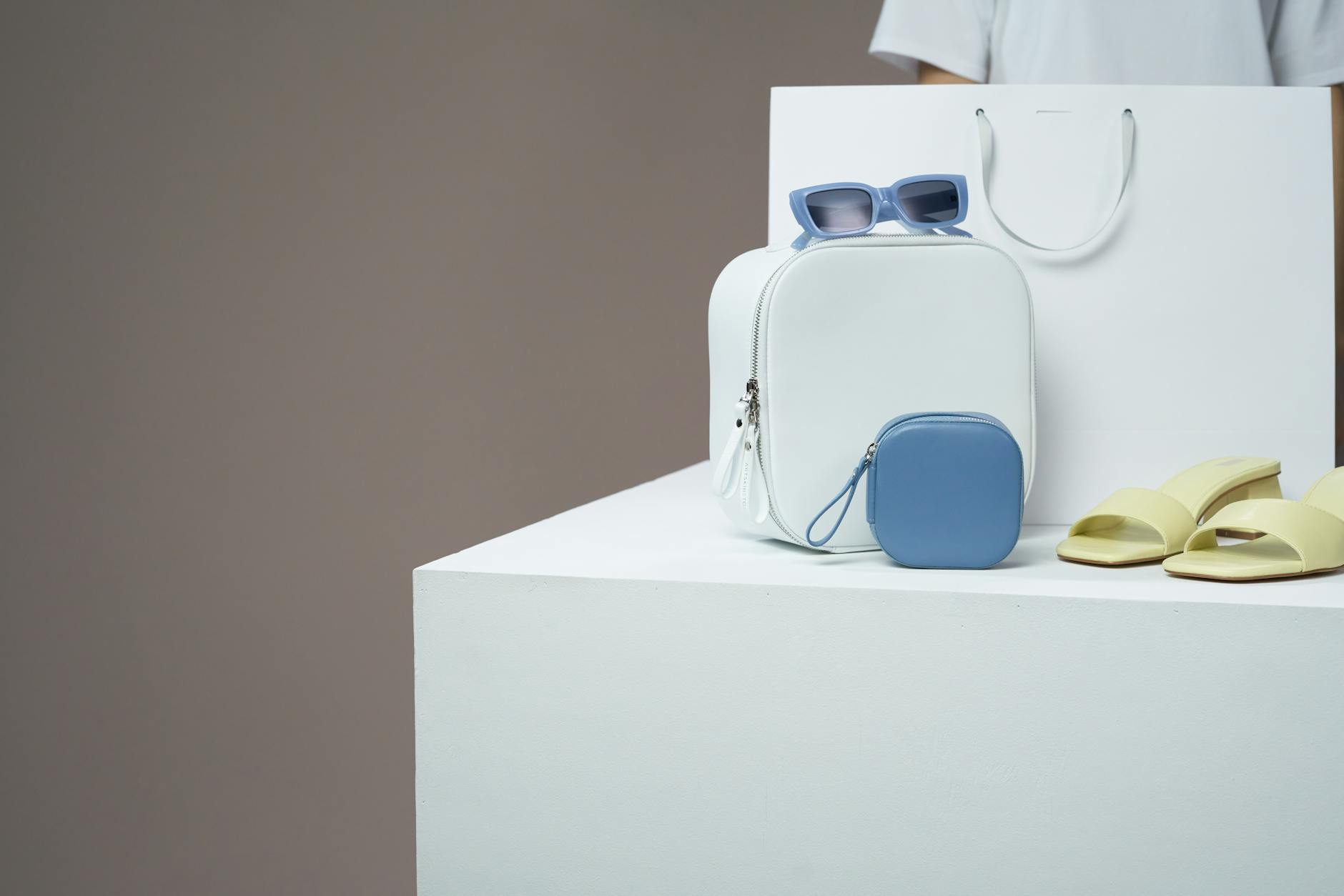
A bag’s size relative to your frame and the scale of your outfit dramatically affects how polished you appear. Petite frames often appear overwhelmed by oversized tote bags that would look proportionate on someone taller, while smaller frame bodies can disappear entirely under bags designed for larger silhouettes. The comparison is architectural: an interior designer doesn’t place a massive sofa in a small living room without considering how it affects the entire space, and you shouldn’t treat bag scale differently. Consider the relationship between your bag and your jewelry as well. If you favor delicate chains, small earrings, and minimal jewelry, a structured, large architectural handbag creates proportion problems—the jewelry becomes almost invisible beside the bag’s presence.
Someone wearing statement jewelry and bold pieces can carry a larger bag without appearing unbalanced. The limitation here is that proportion is partly subjective and influenced by personal style; what feels right for minimalist dressing may feel constrictive for maximalist aesthetics. Your outfit’s silhouette changes how bag proportion reads. A flowing, relaxed outfit needs a defined bag with structure to ground the look, while a fitted, tailored outfit can accommodate both structured and softer bag shapes. Wearing a slouchy, unstructured bag with an oversized outfit risks appearing formless, whereas the same bag complements a structured dress or tailored jacket.
Occasion Appropriateness and Context
Occasion dictates not just size but material, color, and jewelry coordination. A formal evening event calls for a compact structured bag—ideally in black, navy, or jewel tones—paired with statement jewelry like chandelier earrings or a bold cocktail ring. Daytime business scenarios permit larger, more functional bags, but still benefit from deliberate metal coordination; a cognac leather briefcase style bag complements warm-toned gold jewelry without appearing casual or underdressed. The relationship between bag construction and venue matters significantly. Patent leather or high-shine finishes telegraph “special occasion,” while matte leather reads as everyday.
A patent leather gold or silver bag worn to a casual coffee meeting appears overdressed, while matte leather in luxe materials works across contexts. This creates a practical framework: invest in one occasion-appropriate bag in a precious metal-coordinated tone and one everyday bag for frequent rotation, rather than buying bags based on color trends alone. A warning: borrowed or rented bags often reveal the weakness of styling without ownership. When you don’t select the bag yourself, you can’t ensure metal coordination or proportion alignment with your collection, which sometimes makes borrowed accessories read awkwardly. This is why having your own foundational pieces matters more than occasionally borrowing elevated items.

Creating Visual Continuity Across Accessories
Your bag should be the visual bridge between your jewelry and your clothing. If your jewelry is delicate and your outfit is minimalist, your bag should be equally refined—perhaps a small leather crossbody with clean lines. If your jewelry is bold and your clothing is textured, your bag can accommodate more visual weight. This approach prevents your accessories from competing with each other. The comparison between coordinated and uncoordinated styling is stark.
A woman wearing a gold watch, gold rings, and a warm-toned leather bag creates a cohesive, intentional appearance. The same woman in gold jewelry with a silver-toned bag and cool-gray outfit signals less thoughtfulness, even if the individual pieces are luxurious. The mental labor required to make this coordination happen decreases significantly once you establish your primary metal preference and build bags around it. Texture coordination is also essential. A structured leather bag works with precise tailoring and jewelry that has crisp lines, while a softer leather bag pairs better with fluid fabrics and organic jewelry shapes. If you notice your accessories feeling “off” together, texture mismatch is often the culprit before color is.
Material Quality and Longevity Considerations
Cheaper leather or synthetic materials don’t age well and discolor or deteriorate in ways that make metal coordination visible and awkward. A patent leather bag that cracks and peels beside gold jewelry signals poor investment, while genuine leather that develops patina actually improves its coordination with fine jewelry over time. This is worth considering: a luxury bag in quality leather is an investment that works harder the longer you own it. A significant limitation: trending bag shapes that feel “of the moment” age poorly both visually and materially.
Last season’s popular leather texture or color can make even quality bags feel dated, which means your metal coordination feels dated alongside it. Classic structures in quality leather—totes, structured shoulder bags, crossbodies—maintain their relevance and their ability to coordinate with jewelry across years and seasons. Weight and hardware also matter more than casual shoppers realize. A bag with cheap hardware that tarnishes or fails feels careless next to fine jewelry, regardless of the leather quality. Hardware in precious metals (gold plating, silver) or quality base metals that patina beautifully should always be the standard for bags you intend to wear frequently with jewelry.
Mixing Metals and Transitional Pieces
If you wear both gold and silver jewelry (either by inheritance, personal preference, or evolving taste), bags in neutral leather tones—blacks, grays, cognacs, caramels—work with both. However, a limitation exists: a truly neutral bag never works quite as well with either metal as a specifically matched bag does. The tradeoff is convenience versus visual impact.
Some people solve this by rotating bags seasonally or by occasion, keeping gold-coordinated bags for warm months and silver-coordinated bags for cool months. This creates cleaner visual cohesion than forcing a single neutral bag to work with mismatched metals. A cognac leather bag shines alongside gold jewelry in summer linen, while a structured black bag truly comes alive with silver jewelry against winter wool.
Building a Bag Wardrobe That Serves Your Jewelry Collection
The future of personal style involves fewer, more intentional pieces rather than accumulating bags that don’t coordinate with existing jewelry. As luxury goods become investment pieces, bag selection should mirror jewelry selection—focusing on timeless quality and metal coordination rather than chasing trend cycles.
Forward-looking consumers understand that a small collection of carefully selected bags—perhaps three to five—each coordinating with specific jewelry metals and occasions, outlasts and outperforms a large collection of trend-based purchases. This approach reduces decision fatigue, extends the life of both bags and jewelry through intentional pairing, and creates a more coherent personal aesthetic over time.
Conclusion
Styling bags correctly is fundamentally about understanding harmony between three elements: your jewelry metals, your outfit proportions, and the occasion. When these elements work together, your accessories become a cohesive system rather than competing pieces. The most sophisticated approach isn’t owning more bags—it’s selecting fewer bags with greater intentionality, ensuring each one coordinates beautifully with your jewelry collection.
Begin by identifying your primary jewelry metal (gold, silver, or mixed), then build your bag collection around that preference. Assess proportion relative to your frame and outfit scale, and consider occasion appropriateness for the bags you wear most frequently. Over time, this approach creates a personal aesthetic that reads as polished and intentional, where bags enhance rather than distract from your jewelry and overall presentation.
Frequently Asked Questions
Can I wear a silver-toned bag with gold jewelry?
Technically yes, but it creates visual discord. Mixed metals work in accessories only when intentional—like jewelry combining gold and silver in a single piece. For bags, matching your primary jewelry metal produces cleaner results.
What bag color works with all jewelry?
Black or charcoal gray leather works most universally, but neither is ideal with warm gold jewelry. If you must choose one versatile color, black suits silver and mixed-metal jewelry better than warm-toned options.
Should bag hardware match my jewelry metals?
Yes, whenever possible. Gold-toned hardware with silver jewelry creates the same tension as a silver bag with gold pieces. Quality bags feature hardware in precious metals or high-quality base metals that age beautifully.
How many bags do I actually need?
Three foundational bags serve most people: one for business/structured occasions, one for everyday, and one for evening. If you wear mixed metals, adding a fourth bag ensures optimal coordination rather than compromise.
Does bag texture matter for styling?
Absolutely. Texture should coordinate with both your jewelry style (delicate pieces with refined textures, statement pieces with bolder textures) and your outfit’s fabrication to create visual coherence.
Can vintage or inherited bags work with modern jewelry?
Yes, provided they’re in good condition and the metal tones coordinate with your primary jewelry metals. Vintage bags often feature superior leather and hardware quality, making them excellent long-term investments when properly paired.