

The best hats for men right now are a curated selection of styles that merge heritage with contemporary design: flat caps, fedoras, trilby hats, panama hats, bucket hats, pork pie hats, newsboy caps, and baseball caps are the eight most popular men’s hat styles driving the 2026 market. For the discerning man, a quality hat serves the same purpose as a fine timepiece or luxury accessory—it signals intention, elevates an ordinary outfit, and reflects personal character. Whether you’re drawn to a refined flat cap with its rounded shape and small stiff brim, or a modern two-tone fedora in light gray and beige, the hat market has reached an inflection point where both heritage craftsmanship and innovative design are thriving.
has been called “the year of the hat,” a moment when shoppers exhausted by algorithmic sameness are actively seeking something with more character and individuality. The global hats and caps market, valued at $10.51 billion in 2021, grew to $12.48 billion by 2025 and is projected to reach $17.59 billion by 2033. This isn’t mere nostalgia—it’s a deliberate cultural shift toward accessories that inject personality into everyday wear. For the luxury-minded consumer, this renaissance offers an opportunity to invest in pieces that combine timeless style with premium materials and craftsmanship.
Table of Contents
- WHICH HAT STYLES ARE MAKING A COMEBACK IN 2026?
- MATERIAL AND COLOR TRENDS THAT DEFINE LUXURY HAT QUALITY
- SEASONAL HAT STYLES AND SUMMER CONSIDERATIONS
- CHOOSING THE RIGHT HAT STYLE FOR YOUR FACE SHAPE AND WARDROBE
- INVESTMENT VALUE AND QUALITY MARKERS IN LUXURY HAT CONSTRUCTION
- THE CULTURAL SHIFT TOWARD HAT-WEARING AS PERSONAL EXPRESSION
- THE MARKET PROJECTION AND FUTURE OF MEN’S HATS
- Conclusion
WHICH HAT STYLES ARE MAKING A COMEBACK IN 2026?
Flat caps are experiencing a refined resurgence, offering a blend of traditional charm and distinctly modern sensibility. Their rounded shape and small stiff brim create a polished aesthetic that works equally well with tailored business attire or weekend casual wear. The flat cap’s versatility—from workwear heritage to high fashion—has made it a favorite among men seeking understated sophistication. What distinguishes the best modern flat caps from their historical predecessors is the attention to material quality and construction; fine wool, organic cotton blends, and sustainable felts elevate these pieces beyond simple functional headwear into genuine luxury accessories. Trilby hats are making a comeback with a modern twist, characterized by their shorter brim and distinctive angled shape that feels more refined and contemporary than their predecessors.
The trilby sits somewhere between a fedora and a flat cap in terms of profile and attitude, making it an excellent choice for men who want classic styling without the full formality of a traditional fedora. However, one limitation to consider: the trilby’s shorter brim provides less sun protection than a full-sized fedora, making it better suited for fashion-forward styling in moderate climates rather than extended outdoor activities. Fedoras continue to dominate, but 2026 trends favor unexpected color combinations and textures. Pastel and light-colored fedoras—particularly light gray and light beige—are leading the trends with clean, modern appeal. Two-tone fedora styles with contrasting brim colors are gaining strong attention, offering visual interest while remaining wearable with contemporary wardrobes. The key difference between a fedora that looks dated and one that feels current lies in the color palette and the quality of the crease and band details.
MATERIAL AND COLOR TRENDS THAT DEFINE LUXURY HAT QUALITY
The 2026 hat market is emphasizing texture and material authenticity, with wool, heavy linens, and sustainable felts emerging as the preferred construction materials for quality pieces. High-end hat makers are increasingly turning to organic cotton, fine leather, and eco-friendly fabrics that combine timeless style with sustainability—a meaningful distinction for luxury consumers who understand that true quality is inseparable from responsible sourcing. These materials don’t just look better; they age gracefully, developing patina and character over years of wear, much like fine leather goods or vintage jewelry. Color trends have shifted decisively away from the dark, heavy tones that dominated men’s accessories for decades. The palette for 2026 favors light grays, warm beiges, soft pastels, and two-tone combinations that feel fresh without sacrificing sophistication.
This represents a broader shift in men’s fashion toward approachability and personality—colors that invite attention rather than disappear into the background. One caveat: lighter colors, while visually striking, require more careful maintenance and are less forgiving of stains and wear. A cream-colored Panama hat, for instance, demands regular cleaning and proper storage to maintain its appearance, a commitment that separates casual hat wearers from serious enthusiasts. The emphasis on texture means that surface details—weaves, felting techniques, and brim construction—have become as important as the overall shape. A hand-blocked felt fedora displays craftsmanship that a mass-produced alternative simply cannot match, and this distinction becomes apparent the moment you hold one in your hands. This focus on material and construction quality places modern hat appreciation on the same level as other luxury accessories where the provenance and technique matter as much as the finished product.
SEASONAL HAT STYLES AND SUMMER CONSIDERATIONS
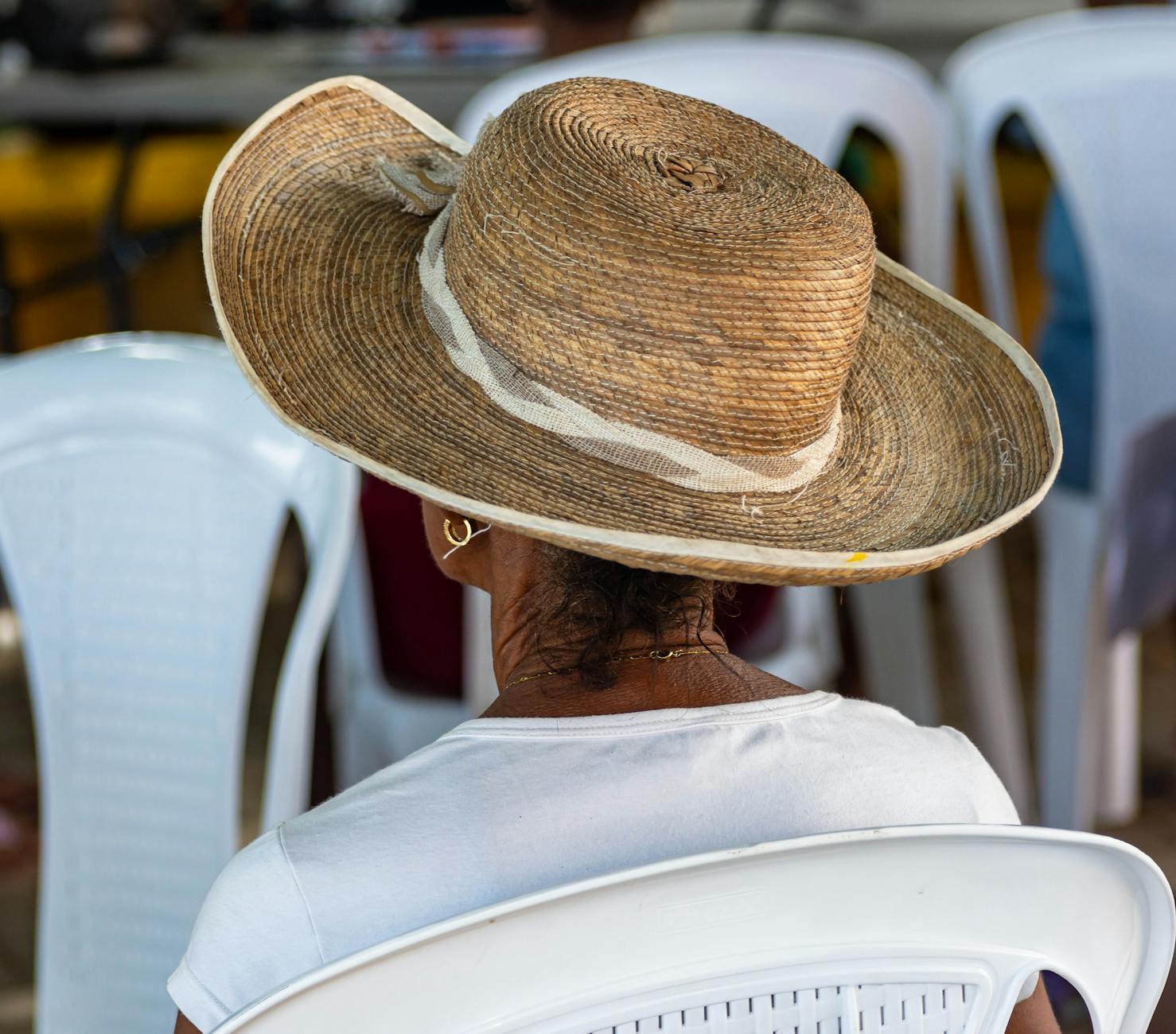
Men’s straw hats are the dominant choice for summer 2026, prized for being trendy, extremely lightweight, and comfortable during warm months. Straw hats work across multiple contexts—they’re equally at home at a casual beach outing or a refined garden party—and they’re one of the few hat styles that genuinely improves with age as the straw develops a patina. Panama hats, constructed from the toquilla palm straw native to Ecuador, represent the luxury end of the straw hat spectrum, offering superior craftsmanship and longevity compared to more generic straw options. A well-made Panama hat can last decades with proper care, making it a legitimate investment piece for the serious collector. Bucket hats are getting a sophisticated makeover in 2026, moving beyond their streetwear associations to incorporate plush textures, blended materials, and rich hues that appeal to a broader demographic.
Luxury versions constructed from linen blends or structured cotton offer more polished silhouettes than the casual canvas bucket hats of previous years. The distinction between a high-fashion bucket hat and a utilitarian one lies in the fabric weight, the precision of the construction, and the quality of the brim structure. A poorly made bucket hat looks like casual beach wear; a well-constructed one reads as intentional styling. The practical tradeoff with seasonal hat choices involves protection versus comfort. A lightweight straw hat excels in hot weather but offers less protection against unexpected rain or wind than a structured felt hat. Conversely, a wool fedora provides excellent weather resistance but can feel uncomfortably warm during peak summer temperatures, making the choice of seasonal-appropriate hats a genuine consideration rather than a purely aesthetic decision.
CHOOSING THE RIGHT HAT STYLE FOR YOUR FACE SHAPE AND WARDROBE
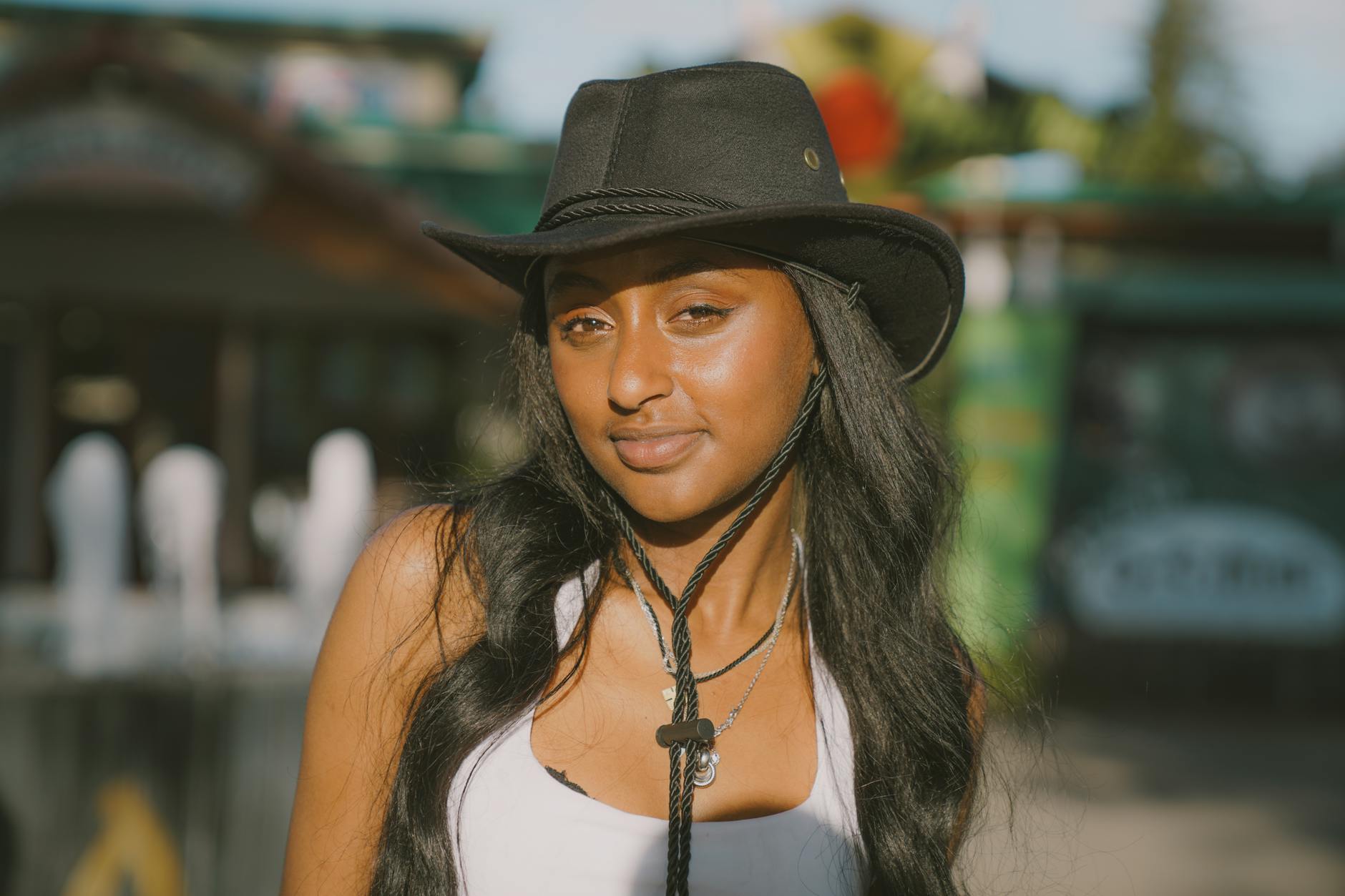
Hat selection begins with honest assessment of face shape and personal style direction, yet most men approach hat shopping without any framework for this decision. A round face generally looks best with hats that add vertical emphasis—fedoras and tall-crowned styles create proportion by drawing the eye upward. Angular, square faces suit flat caps and newsboy caps that emphasize width without excess height. Oval faces are the most versatile and can wear nearly any style successfully, though even this fortunate group benefits from considering how a hat’s proportions interact with overall build and height. Beyond face shape, the critical consideration is wardrobe integration. A man who dresses primarily in tailored business attire should invest in fedoras, trilbys, and panama hats in neutral tones. Someone with a more casual, streetwear-influenced aesthetic might find greater use from bucket hats and structured baseball caps.
The costume-like mistake—wearing a style that feels authentically misaligned with your overall presentation—is the primary risk in hat selection. A fedora on someone who never wears anything dressier than khakis reads as theatrical rather than authentic. The best hat investment is one you’ll actually wear, not an aspirational piece that sits in your closet. The comparison worth making is between statement hats and utility hats. A statement hat—like a distinctive two-tone fedora or a richly textured bucket hat—is worn because it makes a deliberate statement about taste and personality. A utility hat is chosen for sun protection and function, often a baseball cap or simple panama. The strongest wardrobes include both types, allowing a man to express different aspects of his identity depending on the occasion and his intention for the day.
INVESTMENT VALUE AND QUALITY MARKERS IN LUXURY HAT CONSTRUCTION
For the luxury-minded consumer, understanding what separates a quality hat from a mass-produced alternative requires familiarity with several technical markers. Hand-blocked construction, where the hat’s shape is created using wooden blocks rather than industrial machinery, produces superior form retention and subtler proportions. The sweatband should be constructed from quality leather or high-grade fabric, not thin synthetic material. The stitching throughout should be visible and even, indicating hand-finishing rather than purely automated production. These details might seem minor, but they determine whether a hat maintains its shape and appearance after years of wear. One significant limitation of premium hat ownership is maintenance requirements. A fine felt fedora demands proper storage—ideally on a hat block or in a hat box—and regular brushing to maintain the nap.
Straw hats require occasional conditioning to prevent the material from becoming brittle. Leather sweatbands need occasional cleaning and conditioning to prevent cracking. A man purchasing a $300 or $500 hat should approach it with the same care commitment he’d give to fine leather shoes or luxury timepieces. The warning here is explicit: buying an expensive hat without committing to its care is wasteful, and a neglected expensive hat looks worse than a well-maintained affordable one. The market for vintage and pre-owned luxury hats has grown significantly, offering opportunities for collectors to acquire rare styles and quality construction at reduced cost. However, authentication matters considerably, and purchasing vintage hats requires either genuine expertise or reliance on reputable dealers. A vintage Stetson in mint condition might be a genuine find worth $200 despite its age; an unmarked vintage hat claiming $400 deserves skepticism.
THE CULTURAL SHIFT TOWARD HAT-WEARING AS PERSONAL EXPRESSION
represents a deliberate rejection of algorithmic sameness in personal style, and hats have become a visible shortcut to individuality. In an era of standardized casual wear—the ubiquitous jeans-and-basics uniform—a quality hat signals intention and thought about one’s presentation. This cultural shift is particularly pronounced among younger men, who’ve grown up in an entirely digital fashion landscape and are now seeking tactile, analog signals of authenticity and personality. A man wearing a distinctive hat in 2026 is making a statement that differs fundamentally from hat-wearing in previous eras, where it was simply part of the standard uniform.
This emphasis on character and distinctiveness extends beyond style into the materials and construction themselves. A man might choose a specific hat not just for how it looks, but for its story—the maker, the regional tradition it represents, the specific straw variety or felt composition. This collector-mentality approach to hats mirrors similar trends in watches, leather goods, and other accessories where the provenance and craft story add meaning beyond mere functionality. For luxury consumers, this narrative dimension significantly enhances the value proposition of investing in premium headwear.
THE MARKET PROJECTION AND FUTURE OF MEN’S HATS
The baseball hats market alone is projected to reach $11.70 billion in 2026 and grow to $14.78 billion by 2030, expanding at a compound annual growth rate of 6.01% from 2020 through 2034. This extraordinary growth signals not a temporary trend but a structural shift in how men approach accessories and self-presentation. The broader hats and caps market trajectory—projected to reach $17.59 billion by 2033—suggests that hat-wearing will continue strengthening as a cultural norm for the foreseeable future. Unlike fashion trends that peak and fade, this shift appears rooted in deeper consumer desires for authenticity and differentiation.
Looking forward, expect the market to segment increasingly between premium craft production and mass-market basics, with the middle disappearing. Luxury hat makers will continue emphasizing sustainable materials, heritage techniques, and distinctive styling. Simultaneously, affordable basics will proliferate. The opportunity for the discerning buyer exists precisely in this environment—investing in quality pieces from respected makers while avoiding the diminishing category of mid-market products that offer neither exceptional quality nor exceptional value. The men’s hat market of 2027 and beyond will likely reward both those who view hats as investment pieces and those who treat them as essential tools for expressing individuality.
Conclusion
The best hats for men right now are those that align with your face shape, personal aesthetic, wardrobe, and climate while prioritizing material quality and construction excellence. Whether you’re drawn to the refined resurgence of flat caps, the modern sophistication of light-colored fedoras, the luxury craftsmanship of Panama hats, or the versatility of structured bucket hats, the 2026 market offers unprecedented variety and quality. The cultural moment favors authenticity, character, and intentionality—qualities that genuine hat investment provides in spades.
Your next step is to identify which of the eight primary styles aligns most naturally with how you dress and present yourself, then invest in one or two quality examples rather than accumulating numerous mediocre options. Visit established hat makers known for premium construction, handle the materials, try on styles in person to understand proportion and fit, and commit to the maintenance these pieces deserve. In an age where most men dress identically, a well-chosen hat becomes a genuine statement of individuality and taste.