

Every man needs a core collection of jackets that work across seasons, occasions, and styles—typically five to seven essential pieces that handle everything from casual weekends to formal events. These aren’t trendy items that fade in a season; they’re investment pieces that form the foundation of a functional wardrobe. A well-curated jacket collection eliminates the daily decision-making and ensures you’re appropriately dressed whether you’re heading to the office, meeting friends for dinner, or traveling for business. Think of jackets as the framework upon which your entire wardrobe hangs.
A navy blazer pairs with jeans, work trousers, or dress pants. A leather jacket transitions from casual to elevated depending on what you wear underneath. A wool coat works across multiple seasons and weather conditions. Without these anchors, even expensive basics feel scattered and incomplete. The goal isn’t to own every jacket style—it’s to own the ones that genuinely work with what you already have.
Table of Contents
- What Makes a Jacket “Essential” for Men?
- The Navy Blazer—Your Foundational Piece
- The Leather Jacket—Edge and Longevity
- The Wool Topcoat—Elegant Layering
- The Bomber and Harrington Jacket—Casual Versatility
- The Denim Jacket—Timeless Casual Foundation
- Building Your Complete Jacket Wardrobe
- Conclusion
- Frequently Asked Questions
What Makes a Jacket “Essential” for Men?
An essential jacket serves multiple purposes, works with pieces already in your closet, and remains relevant year after year. It’s not about owning rare or limited-edition pieces; it’s about investing in versatility. A structured blazer, for instance, can be worn over a t-shirt and jeans for a casual look, layered under a coat for warmth, or paired with dress trousers for business attire. This kind of flexibility is what separates a necessary jacket from a luxury impulse buy. Quality matters significantly with jackets because they endure heavy use.
A poorly constructed blazer will lose its shape after a season of regular wear. The lining will tear, seams will split, and shoulder structure will collapse. Compare this to a well-made blazer from a reputable manufacturer—it holds its form, the seams stay intact after dozens of dry cleanings, and it actually looks better with age as the fabric develops character. Real wool retains its properties; cheap synthetic blends pill and fade. This is where your investment pays dividends: a $400 blazer worn 100 times costs $4 per wear, while a $100 blazer that falls apart after 30 wears costs $3.33 per wear but leaves you without a functioning piece.
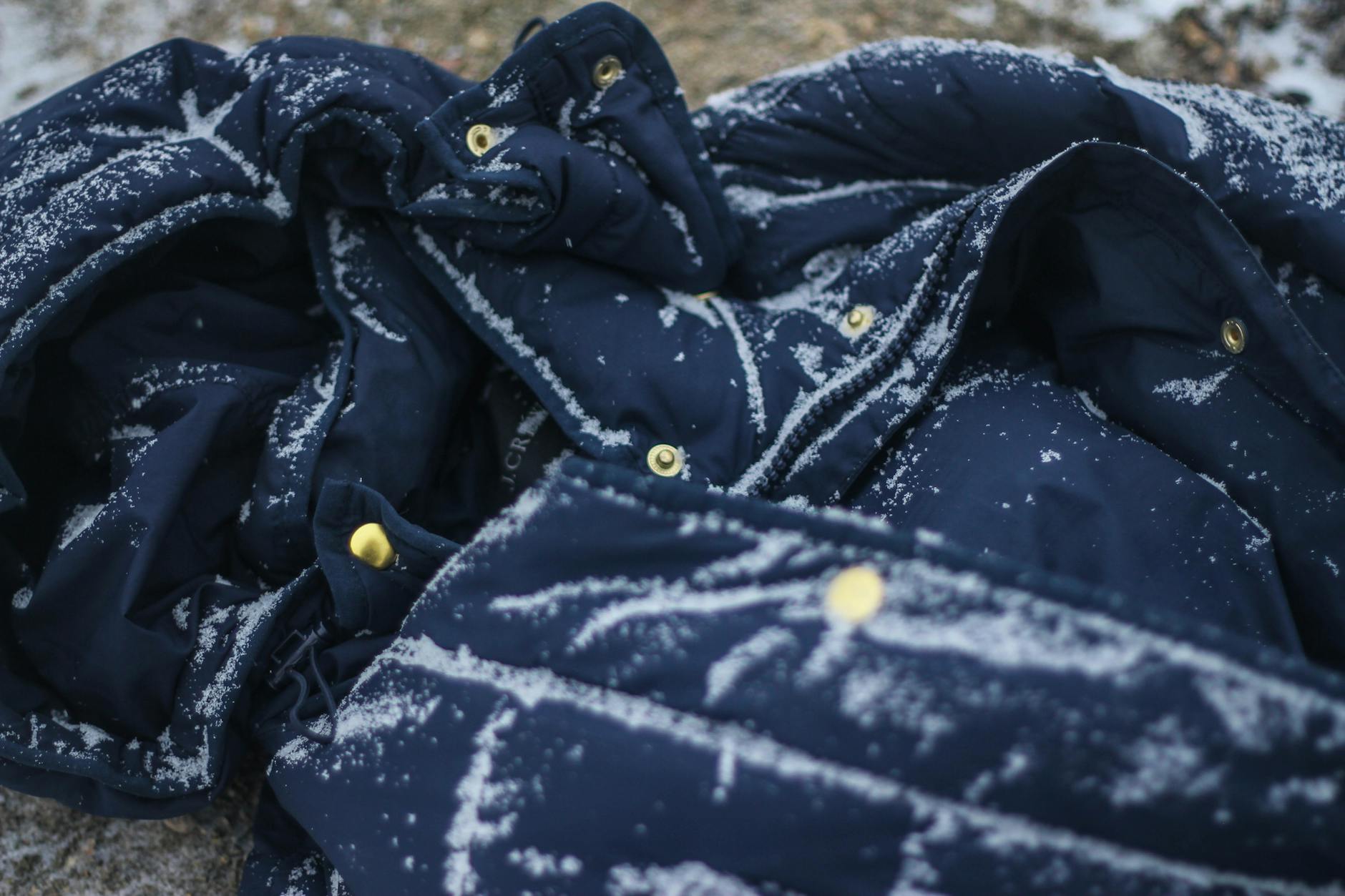
The Navy Blazer—Your Foundational Piece
The navy blazer is non-negotiable. It’s the single most versatile jacket a man can own, and it works across virtually every lifestyle and age group. Navy works better than black because it’s less formal, easier to match with other colors, and feels modern without trying too hard. A proper navy blazer should have a structured shoulder, a natural chest pocket, and a lining that won’t fray. Single-breasted is more versatile than double-breasted; two buttons are more contemporary than three.
One limitation: a navy blazer only works if the fit is correct. An ill-fitting blazer—whether too tight or too loose—looks worse than no blazer at all. Many men buy blazers that are too large in the shoulders or too long in the sleeves, thinking extra room equals comfort. This is a mistake. A proper fit means the shoulder seam sits at your actual shoulder, the sleeves end at your wrist bone, and there’s enough room in the chest that you can button it comfortably while wearing a shirt underneath. Getting a blazer tailored for fit is non-negotiable and typically costs $80-150 but transforms the piece from mediocre to excellent.
The Leather Jacket—Edge and Longevity
A leather jacket serves a completely different function from a blazer: it provides edge, personality, and genuine warmth while lasting decades if properly maintained. A quality leather jacket—either classic brown or black—works casually with jeans and a t-shirt, or more refined with chinos and a sweater. Leather develops a patina over time, meaning it actually improves with age and wear in ways that other materials don’t. The key distinction is between genuine leather and everything else. Full-grain leather, which shows natural imperfections and ages beautifully, costs more upfront but lasts indefinitely.
Top-grain leather is processed to remove imperfections and is slightly cheaper but doesn’t age as interestingly. Bonded leather and synthetic alternatives are cheap initially but often deteriorate faster and never develop character. A genuine leather jacket from a quality maker—say, $600-1200—is a one-time purchase. A synthetic jacket at $150 might need replacement in five years. Example: a Schott Perfecto leather jacket, an American classic made since 1913, is a $500+ investment but remains functional and stylish for 20+ years.

The Wool Topcoat—Elegant Layering
A wool topcoat (or overcoat) is the piece that elevates your overall presentation in cooler months while providing substantial warmth. Unlike puffer jackets or parkas, which are purely functional, a topcoat has real style. It works over business attire for professional settings, over casual clothes for weekend wear, and travels well because it doesn’t take up excessive luggage space. Charcoal or camel are the most versatile colors; navy also works but offers less contrast. The trade-off is that a wool topcoat requires proper storage and care.
Wool can attract moths, which means using cedar blocks or proper storage during warmer months. Wool also needs to be steamed rather than washed, and dry cleaning is expensive (typically $15-25 per cleaning). However, this investment pays off: a quality wool topcoat lasts 10-15 years easily, and the elegance it brings to your appearance is immediately noticeable. A man in jeans and a sweater looks substantially more put-together when wearing a wool topcoat over top. Compare this to a synthetic puffer coat, which achieves warmth but reads as purely practical rather than intentional.
The Bomber and Harrington Jacket—Casual Versatility
A bomber jacket (or flight jacket) and a Harrington jacket fill the casual-but-intentional category. These are the pieces you reach for on a Saturday afternoon or a casual Friday at work. A bomber works over almost anything—t-shirts, button-ups, sweaters—and bridges the gap between pure casualness and put-together style. Harringtons are lighter weight and perfect for transitional seasons or layering.
The warning here: cheap versions of these jackets look cheap. Thin fabric, flimsy zippers, and weak stitching are common in lower-priced options. A $30 bomber from a fast-fashion retailer will lose its shape after a few weeks of regular wear, develop pilling, and generally feel insubstantial. A $120-200 bomber from a quality maker will hold its form, feel good to wear, and look intentional rather than like you grabbed something from a clearance rack. The fabric matters—cotton blends rather than pure polyester, proper weight, and genuine stitching make the difference between a piece that feels premium and one that feels disposable.

The Denim Jacket—Timeless Casual Foundation
The denim jacket is arguably the most iconic casual jacket. A raw or dark indigo denim jacket works with almost everything in your casual wardrobe and has genuine staying power. Unlike trends, a good denim jacket remains relevant across decades. The fabric actually improves with wear, developing a personal patina that reflects your lifestyle.
Choose raw denim (unwashed) if you want character development, or pre-washed if you want a more uniform look out of the box. Fit should be snug but not restrictive—you should be able to move your arms comfortably but not have excess fabric. A quality denim jacket costs $100-300 and lasts indefinitely if cared for properly. The limitation is that denim jackets don’t work in all contexts—they’re inappropriate for business formal settings or upscale evening events, so they’re complementary to, not replacements for, blazers or topcoats.
Building Your Complete Jacket Wardrobe
The complete foundation typically includes the five pieces mentioned above: navy blazer, leather jacket, wool topcoat, casual bomber/Harrington, and denim jacket. Some men add a sport coat in a pattern (tweed, herringbone, or plaid) for more visual interest in professional settings, and a technical rain jacket for purely functional weather protection. The order of acquisition matters: start with the navy blazer because it’s most versatile, add the wool topcoat for seasons when you need real warmth, then add leather and denim for casual options, then fill gaps based on your actual lifestyle.
The future of men’s jackets is moving toward hybrid designs—pieces that blend the structure of traditional tailoring with the functionality of technical fabrics. However, the fundamentals remain unchanged: fit matters more than anything else, quality construction is a long-term investment, and versatility beats novelty. A man with five well-fitting, well-made jackets is better dressed than one with fifteen mediocre pieces.
Conclusion
Building a functional jacket wardrobe isn’t about trends or accumulation—it’s about selecting pieces that work together, fit properly, and serve genuine purposes across different contexts and seasons. A navy blazer, leather jacket, wool topcoat, casual bomber, and denim jacket form a solid foundation that handles virtually every situation a man encounters. These aren’t luxury pieces that sit unworn; they’re working pieces that earn their place through regular use. The investment in quality pays dividends through durability, fit, and timelessness.
A $400 blazer worn 100 times is better value than a $100 blazer worn 20 times. A leather jacket that lasts 20 years justifies its cost. These are pieces you’ll still wear in ten years, pieces that work with clothes you’ll own then, and pieces that improve with age rather than deteriorate. Start with fit, prioritize versatility, and build from there.
Frequently Asked Questions
What’s the difference between a blazer and a sport coat?
A blazer is tailored and structured, designed to be worn alone or with dress trousers, and typically comes in solid colors or simple patterns. A sport coat is less structured, usually in a pattern or texture, and designed to be worn casually with different trousers. Both are valuable but serve different purposes.
Should I buy jackets that fit perfectly now or size up for future changes?
Buy for your current size. Oversized jackets look worse than form-fitting jackets regardless of your weight. If your size changes, the jacket won’t work anyway, so tailoring for current fit is the right approach.
How often should I have jackets dry cleaned?
Avoid dry cleaning unless absolutely necessary. Brush surface dust off regularly, and dry clean only when the jacket has visible stains or odor. Frequent dry cleaning damages fabric and shortens lifespan.
Is a wool blend better than pure wool?
Pure wool is generally superior for appearance and longevity, though wool blends can be slightly more durable and stain-resistant. Quality matters more than the blend percentage—a 100% wool from a poor manufacturer is worse than a 85/15 wool-nylon blend from a quality maker.
Can one jacket work for business formal and casual wear?
A navy blazer can bridge this gap better than other styles, but it’s not ideal for both extremes. A navy blazer works for business casual or smart casual; add dress trousers and a tie for business formal, or pair with jeans for casual weekend wear.
What’s the best color for a first leather jacket?
Brown is more versatile than black and works across more outfits. Black reads as more serious or rebellious; brown is approachable and works casually or in business casual contexts.