

Picking the right shorts comes down to understanding your lifestyle, body type, and the occasions you’ll wear them for. The best shorts fit well at the waist and hips, hit at the appropriate length for their style, and are constructed from quality materials that’ll hold up to regular wear. If you spend weekends hiking and need something functional, you’ll want moisture-wicking fabric with practical pockets and a reinforced inseam, whereas if you’re looking for casual wear around town, tailored shorts in cotton or linen blend will serve you better.
The most common mistake people make is buying shorts that are too long or too loose, thinking they’ll be more comfortable. A pair of well-fitted shorts in the right length actually moves better with your body and looks more intentional. Consider someone who wears the same pair of khaki shorts to both casual dinners and daytime errands—having that one versatile piece in your rotation means you’re reaching for it repeatedly, so the fit and fabric quality matter significantly.
Table of Contents
- What Length Should Your Shorts Actually Be?
- Fabric Quality and Material Considerations
- Fit Around the Waist and Hips
- Choosing Shorts for Different Occasions
- Common Fit Issues and How to Address Them
- Color and Pattern Selection
- The Longevity and Care Perspective
- Conclusion
- Frequently Asked Questions
What Length Should Your Shorts Actually Be?
The proper length for shorts depends on the style and your personal preferences, but there are general guidelines that work for most people. For casual shorts, the hem should hit just above the knee or at the top of the knee, creating a clean line without looking either too short or overly long. For more tailored or dressier shorts, you can go slightly longer, with the hem hitting just at or slightly below the knee.
Athletic or gym shorts tend to sit higher on the thigh and have more movement, which is intentional for their purpose. A practical example: if you’re a man with an inseam of 32 inches, a 9-inch inseam will likely hit around mid-knee, while an 8-inch inseam sits higher and more revealing of the leg. Women’s shorts operate on a similar principle—a 5-inch inseam is quite short and shows significant leg, while a 7-inch inseam offers more coverage and is versatile for more occasions. The mistake many people make is assuming one length works for all their shorts, when in reality, different styles and fabrics call for slightly different proportions.
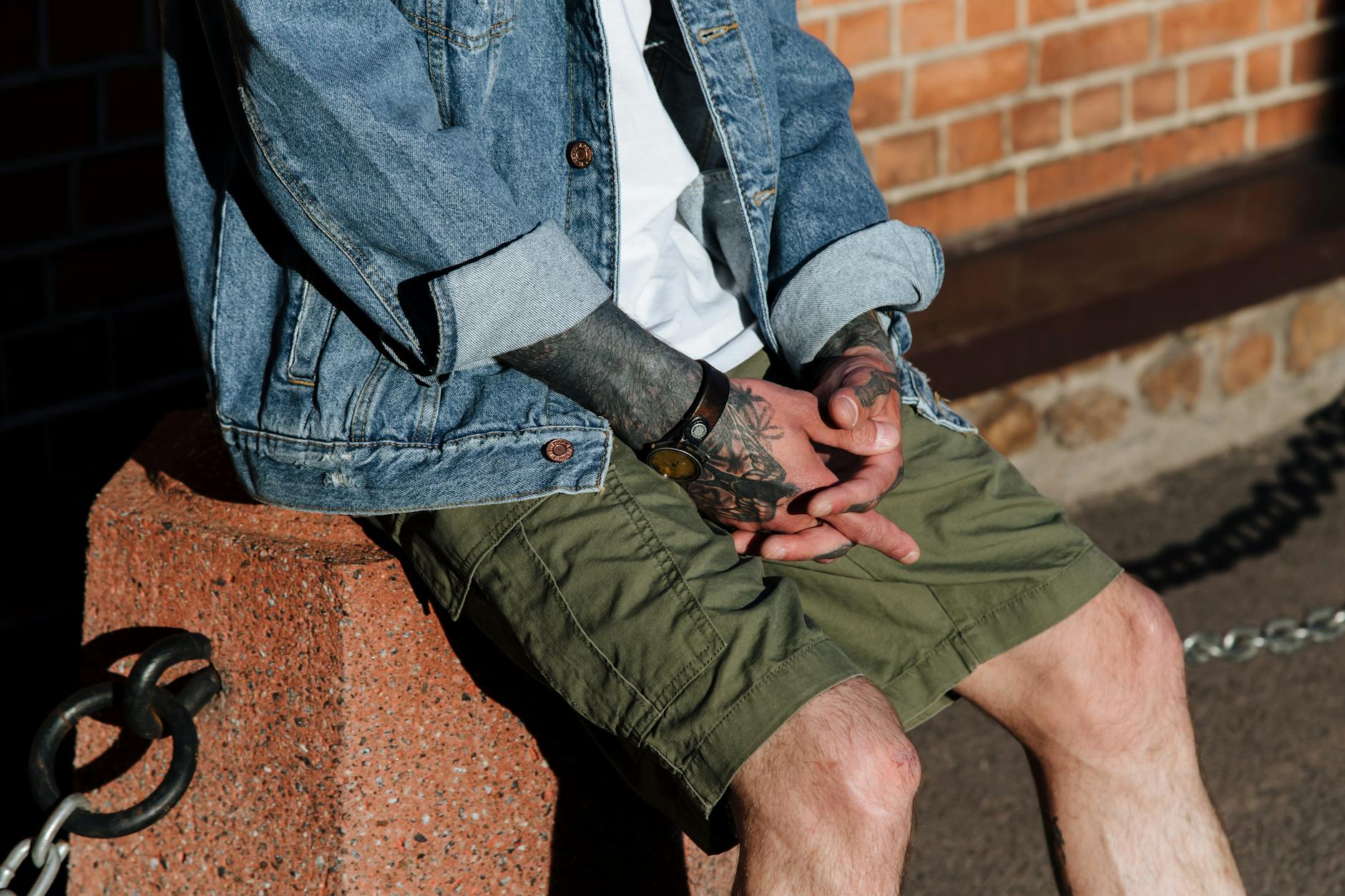
Fabric Quality and Material Considerations
The fabric of your shorts determines how they look, feel, and perform over time. Cotton is breathable and comfortable but wrinkles easily and can lose its shape with repeated washing. Linen offers similar breathability with a more textured appearance but is prone to wrinkling as well.
Cotton-polyester blends provide durability and wrinkle resistance while maintaining comfort—this is why many quality shorts manufacturers use a 98% cotton, 2% spandex mix or similar combinations. One limitation of natural fabrics like pure cotton is that they absorb sweat rather than wicking it away, which matters if you’re in warm climates or doing physical activity. Synthetic blends or performance fabrics specifically engineered for moisture-wicking will keep you drier, but they may not breathe as well on extremely hot days and can feel less natural against the skin. A warning here: cheaper synthetic blends sometimes develop a slight sheen or feel plasticky after a few washes, which is why investing in mid-range to higher-quality shorts with intentional material composition matters more than you’d expect.
Fit Around the Waist and Hips
How shorts fit at the waist is fundamental to comfort and appearance. Your shorts should sit at your natural waist without gaps in the back, and you should be able to fit one finger comfortably inside the waistband when fastened—not so tight that you’re uncomfortable, but not so loose that they shift when you move. Many people size up in shorts thinking they need room, but this usually results in sagging and an unflattering silhouette. The rise of shorts (the measurement from the crotch seam to the waistband) affects how they sit on your body.
A mid-rise shorts typically sits at the hip bone and works well for most body types. A higher rise sits at the natural waist and is more flattering for people with longer torsos or those who prefer a more secure fit. A low-rise sits well below the hip bone and was popular in certain fashion eras, but it’s worth noting that low-rise shorts can be uncomfortable for everyday wear and show more skin if that’s not your intent. If you’re between sizes, going with the larger size and having a tailor take in the waist is often better than squeezing into something that restricts movement.

Choosing Shorts for Different Occasions
Casual shorts for weekend wear need different qualities than shorts you’d wear to a casual dinner or weekend brunch. Casual gym and errand shorts can be looser fitting and made from more durable, less formal fabrics—think weathered cotton or performance blends. These shorts prioritize function over appearance. In contrast, tailored shorts in neutral colors like navy, khaki, or charcoal can work for semi-casual dining and social events, so the fabric should be slightly higher quality, the fit should be more refined, and the color should coordinate with the rest of your wardrobe.
The tradeoff here is versatility versus specialization. A pair of well-fitted tailored shorts in a neutral color might work for five different occasions, but they may not be ideal for intense physical activity or rough terrain where durability matters more than polish. Someone investing in a shorts wardrobe should consider having at least two pairs: one for casual, active wear and one for more refined occasions. This way, you’re not compromising function for style or vice versa.
Common Fit Issues and How to Address Them
Shorts that bunch or bunch at the crotch usually mean the rise is wrong for your body, or the inseam is too long. If this happens regularly, you may need to try a different rise or consider having shorts hemmed, since the crotch point should be smooth without pulling or sagging. Thigh tightness is another common issue—if your shorts pull tight around the thigh and the fabric shows stress marks, you need a larger size or a style with a roomier cut through the leg.
A warning: buying shorts that are too tight in the thigh “hoping they’ll stretch” rarely works out as planned, especially with cotton-dominant blends. The fabric will stretch minimally, and you’ll either end up with uncomfortable shorts or ones that fit for a month before returning to their original tight state. If you consistently have this issue, look for brands that offer different fits, such as slim, regular, and relaxed cuts, and choose the one that accommodates your leg shape without pulling.

Color and Pattern Selection
Neutral colors like black, navy, khaki, white, and gray offer the most versatility and pair easily with nearly any shirt or top in your wardrobe. These are the foundation colors to build your shorts collection around.
Patterns like stripes, checks, or subtle prints can add visual interest and work well for casual wear, but they’re less versatile for occasions where you might want to pair them with printed or bold tops. One practical example: a pair of well-fitting navy shorts can be worn with a white t-shirt for casual weekend errands, a linen button-up for a beach lunch, or even a blazer for a more polished look. By comparison, a pair of bright patterned shorts immediately sets the tone of the outfit and limits your options for what you can wear on top without creating a visual clash.
The Longevity and Care Perspective
Quality shorts that are well-constructed will last for years with proper care, while cheaper alternatives may fade, pill, or lose their shape after a season or two. Investing in shorts made with reinforced seams and quality zippers means you won’t be replacing them constantly.
How you care for your shorts also affects their lifespan—washing in cold water, turning them inside out, and avoiding the dryer will preserve fabric color and elasticity far longer than hot water and high heat. As casual wear continues to dominate daily fashion, the role of well-chosen shorts has become increasingly important. The shorts you own should work hard in your wardrobe, bridging the gap between athletic wear and more polished casual outfits.
Conclusion
Picking the right shorts involves balancing fit, fabric quality, and occasion-appropriate styling. Start with your measurements, understand what length and rise work for your body type, and invest in neutral colors that coordinate with pieces you already own.
Pay attention to material composition and construction quality, as these factors determine how long your shorts will actually serve you. Your shorts wardrobe doesn’t need to be extensive, but the pieces you choose should be intentional and well-constructed. Whether you’re building a collection from scratch or upgrading what you already own, these fundamentals will guide you toward shorts that look good, feel comfortable, and actually last.
Frequently Asked Questions
What’s the difference between an inseam and the overall length of shorts?
The inseam is the measurement from the inner thigh to the hem, while overall length includes the rise (waist to crotch). When shopping, the inseam is what matters most for fit, as it determines where the shorts will hit on your leg.
Should shorts be tight or loose?
Shorts should be snug enough to stay in place without bunching or sagging, but not so tight that they restrict movement or show stress marks in the fabric. You should be able to fit one finger inside the waistband when fastened.
Can you hem shorts yourself?
Simple hemming can be done at home with basic sewing skills, but professional tailoring ensures even stitching and proper finish, especially for quality shorts worth preserving.
How often should you wash shorts?
Casual shorts can be washed after 2-3 wears if they don’t smell or have visible stains. Athletic shorts should be washed after each wear due to sweat. Washing in cold water and air drying preserves fabric quality.
What rise should I look for?
Mid-rise works well for most body types and occasions. High-rise suits longer torsos and offers more security. Low-rise is less practical for everyday wear. Try on different rises to see what’s most comfortable for your body.
Are expensive shorts always better?
Not necessarily. Mid-range shorts from quality brands often offer better value than budget or premium options. Focus on fabric composition, seam construction, and fit rather than brand name alone.