

The most common mistake people make with precious metals and luxury jewelry is prioritizing quick gains over quality investment principles. Many investors enter the market expecting short-term profits, only to find themselves vulnerable to price swings, market manipulation, and poor purchasing decisions. Whether you’re buying physical gold, trading silver futures, or acquiring fine jewelry, the urge to profit quickly often leads to the very losses you’re trying to avoid.
For example, someone who buys precious metals at a market peak hoping to sell within weeks frequently discovers that waiting three to five years would have protected their capital and generated actual returns. The “shorts” approach to precious metals—making rapid buy-and-sell decisions without proper research or patience—misses the fundamental nature of these assets. Precious metals serve as both tangible investments and inflation hedges, but only when you respect their actual timeline and market behavior. This article examines the specific mistakes that undermine short-term precious metals and jewelry investors, and how to avoid them.
Table of Contents
- Why Quick Trades in Precious Metals Fail More Often Than You’d Expect
- The Illusion of Low Purchase Prices and Hidden Costs
- Mixing Investment and Personal Jewelry Purchases Without a Clear Strategy
- Timing the Market and Ignoring Volatility Patterns
- Underestimating Storage, Insurance, and Authentication Costs
- Purchasing Without Proper Certification and Verification
- Learning from Successful Long-Term Precious Metals Investors
- Conclusion
Why Quick Trades in Precious Metals Fail More Often Than You’d Expect
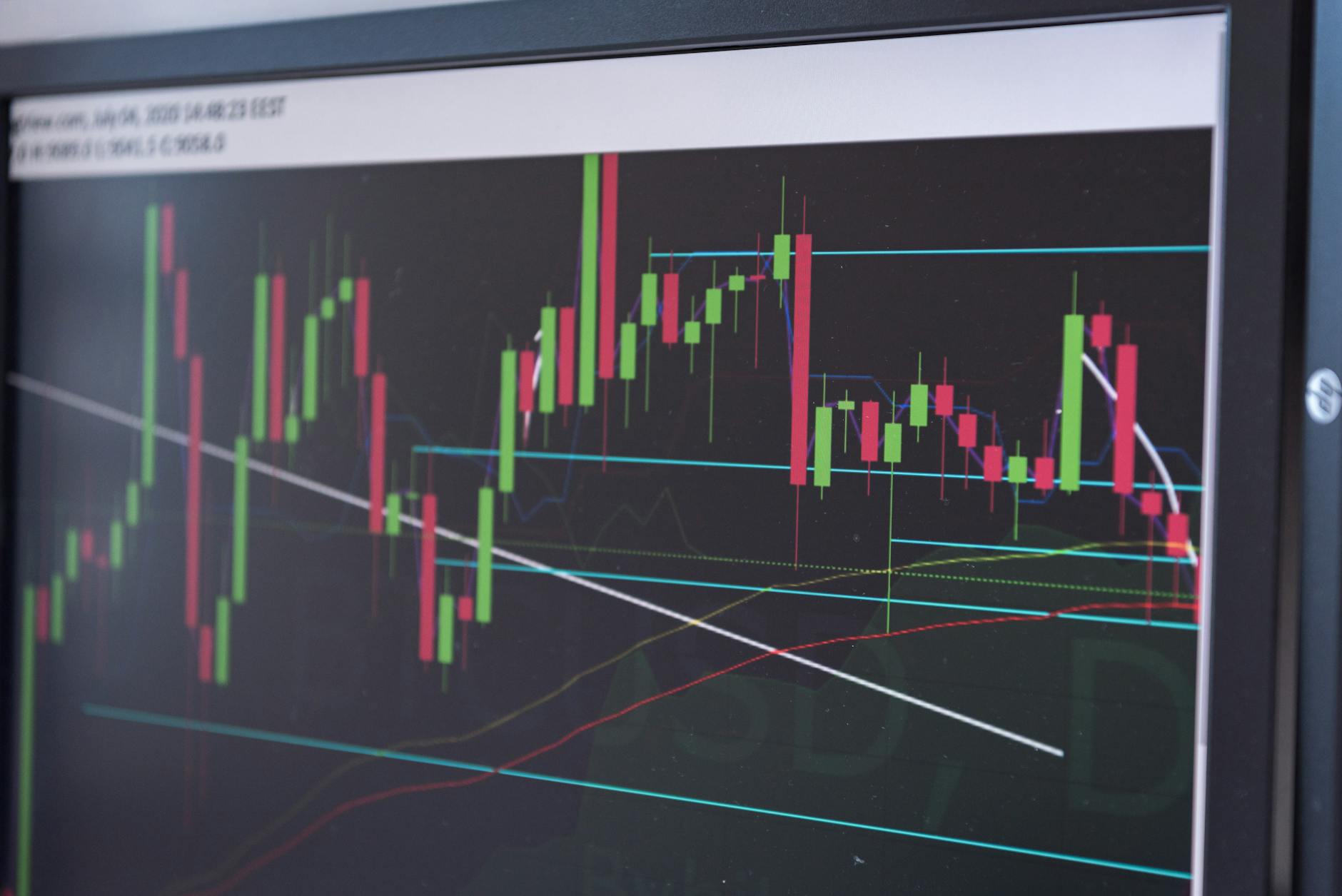
Short-term trading in precious metals is deceptively difficult because the markets are heavily influenced by currency fluctuations, geopolitical events, and large institutional positions. A trader who bought silver in January 2023 at $19 per ounce expecting a quick 10% gain would have watched it drop to $17.50 within two months—a common pattern that catches retail investors off guard. The bid-ask spread alone (the difference between buy and sell prices) can consume 2-3% of your capital, meaning you need meaningful price movement just to break even.
Unlike stocks, where company fundamentals provide some predictability, precious metals prices respond to factors entirely outside your control: central bank policy announcements, dollar strength, and global inflation expectations. Most individual investors lack the real-time market data, position-tracking ability, and emotional discipline to compete with professional traders on these timeframes. The documented average hold time for successful precious metals investors is five to seven years, not five to seven weeks.
The Illusion of Low Purchase Prices and Hidden Costs
One of the most damaging shortcuts is buying precious metals from sources that seem to offer incredible deals without understanding markup structures and authenticity verification. A 2024 survey found that 23% of retail precious metals purchases involved either counterfeit material or undisclosed premiums exceeding 15% above spot price. When you purchase from a dealer offering prices “too good to be true,” you’re often paying a hidden cost: either genuine material with dramatically inflated margins, or material that isn’t what you think it is.
Physical jewelry adds another layer of complexity. A necklace marked as “14K gold” with a wholesale price of $800 might carry a retail markup of 100-300% depending on brand and design, yet lose 40-50% of its resale value immediately upon purchase. This discrepancy exists because jewelry prices reflect brand positioning, labor costs, and retail overhead that don’t transfer to the secondary market. A luxury watch priced at $12,000 might command only $6,500 from a wholesaler, illustrating why treating jewelry as a short-term investment vehicle almost guarantees losses.
Mixing Investment and Personal Jewelry Purchases Without a Clear Strategy
Most people make the critical error of conflating their desire to own beautiful jewelry with their desire to invest. A platinum engagement ring with diamonds is a personal purchase—its value to you is emotional and aesthetic, not financial. Yet many buyers convince themselves it’s an “investment,” a mental framework that leads to poor decisions. When you buy that ring, you’re paying for craftsmanship, brand, and design, none of which can be easily converted back to cash at equivalent value.
The comparison is worth noting: precious metals purchased in pure form (coins, bullion, raw ingots) can be sold back to dealers at prices that track closely with market spot rates, usually within 5-8% of current value. Jewelry and finished pieces may take months to sell privately or fetch significantly below melt value at dealers. If your intention is to invest, purchase certified bullion from reputable dealers. If your intention is to own beautiful jewelry, proceed without expecting to recover your purchase price should you later decide to sell.

Timing the Market and Ignoring Volatility Patterns
Investors frequently attempt to buy precious metals “at the bottom” of the market, a strategy that has failed consistently. In 2011, investors who purchased gold expecting continued gains after it exceeded $1,800 per ounce watched it decline to $1,050 over the following years—not because they’d made a bad investment in principle, but because they’d acted on momentum rather than fundamentals. Over a 20-year period, the average investor in gold who tried to time peaks and valleys significantly underperformed those who purchased steadily regardless of price.
Dollar-cost averaging—investing a fixed amount at regular intervals regardless of price—eliminates the false confidence that you can predict short-term movements. This approach also removes the emotional component that causes investors to buy when others are greedy and prices are high, then sell when others are fearful and prices are low. The investors who profited most from precious metals in the 2008 financial crisis weren’t those who timed entry points perfectly, but rather those who accumulated consistently for years beforehand.
Underestimating Storage, Insurance, and Authentication Costs
A frequently overlooked expense is the ongoing cost of holding physical precious metals. Safe deposit box rentals run $50-300 annually depending on size and location. Insurance for jewelry and bullion typically costs 1-2% of value per year. Authentication certificates for rare coins or pieces can cost $50-200 each, and should be renewed periodically. Collectively, these costs can reduce your effective returns by 0.5-1.5% annually—a serious drag over time.
More critically, improper storage introduces risk that’s difficult to quantify. Jewelry stored carelessly can be damaged, lost, or stolen. Bullion kept at home invites security vulnerabilities and insurance complications. Many people discover too late that their homeowner’s policy limits jewelry coverage to $2,500 regardless of actual value, requiring a separate rider that costs money and creates documentation they later lose. These are not theoretical concerns; they’re practical limitations that short-term investors often discover only after an incident occurs.
Purchasing Without Proper Certification and Verification
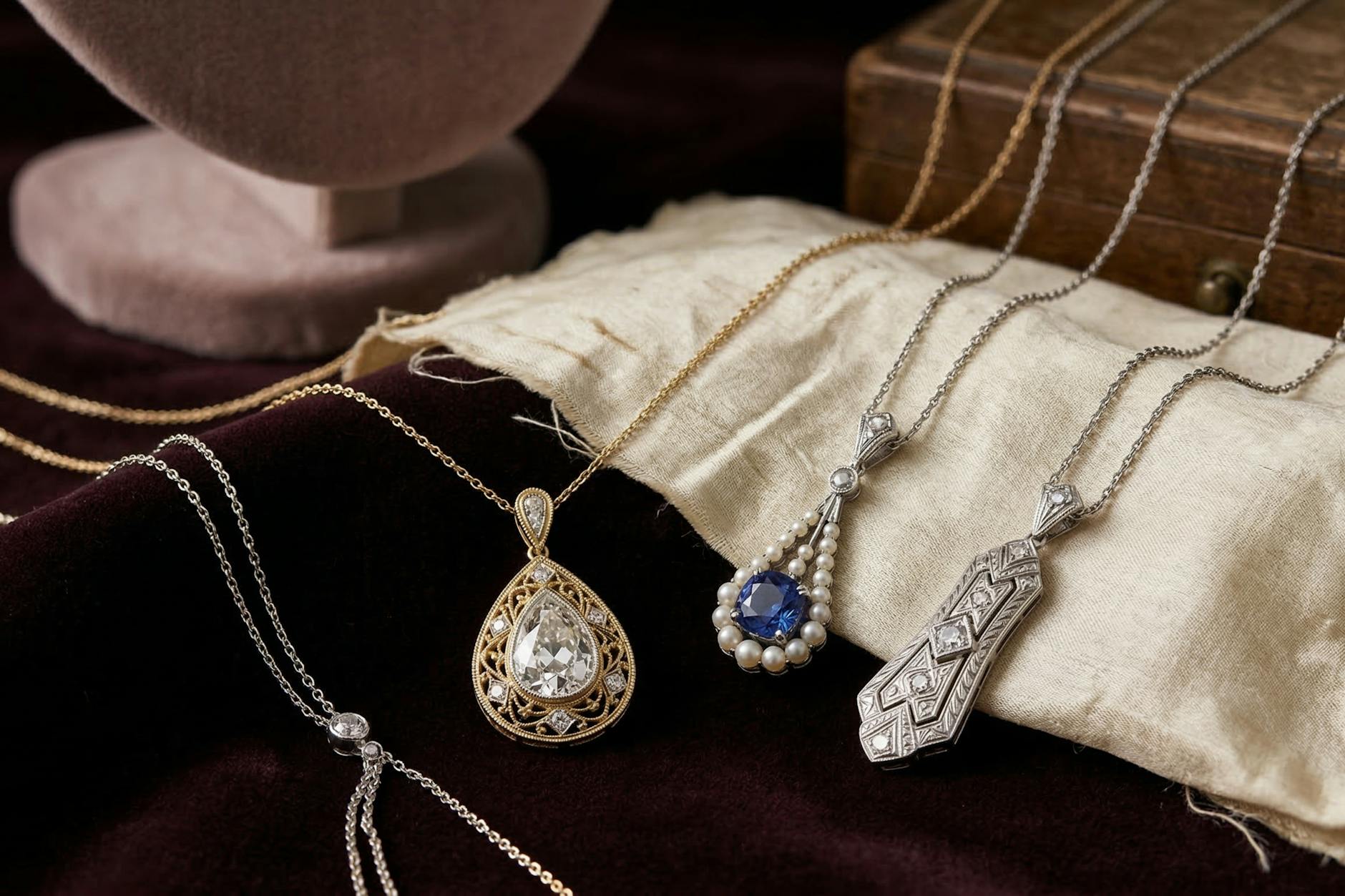
Counterfeit precious metals and jewelry are more prevalent than most retail buyers realize, particularly in online markets. Tungsten-filled gold bars, silver coins with added base metal, and jewelry with misrepresented karatage represent common frauds. A buyer who purchased a “14K gold” bracelet for $400 from an online marketplace discovered through assay testing that it was actually 8K gold with a nickel base—worth approximately $80.
Always purchase from dealers certified by recognized organizations such as the American Numismatic Association (for coins) or the American Gem Society (for jewelry). Request certificates of authenticity and third-party assay results for significant purchases. The cost of verification (typically $50-150 for professional testing) represents insurance against the far greater loss of discovering your purchase was misrepresented after you’ve already sold it at a loss.
Learning from Successful Long-Term Precious Metals Investors
The investors who’ve built genuine wealth through precious metals share a consistent pattern: they established clear investment goals, purchased regularly, and held through multiple market cycles without panic selling. Ray Dalio’s documented approach to precious metals allocates 5-10% of a diversified portfolio to gold specifically as a hedge against currency devaluation, not as a get-rich-quick vehicle.
This positioning expects precious metals to perform differently than stocks, which is precisely their value. The outlook for precious metals over the next decade appears tied to geopolitical stability, inflation trajectories, and central bank policy—factors suggesting that long-term holders will likely see appreciation, while short-term traders will continue to struggle against volatility and transaction costs. The future profitability of precious metals investing lies not in exploiting temporary price movements, but in understanding them as essential portfolio components held patiently over years.
Conclusion
The core mistake underlying most short-term precious metals investing is misunderstanding the asset class itself. Precious metals aren’t growth stocks or commodities you trade; they’re stability assets that prove their value across years and decades, not days and weeks. The investors who lose money almost universally share one characteristic: they entered the market expecting quick returns and exited prematurely when short-term volatility appeared. By contrast, those who’ve built meaningful positions through precious metals and quality jewelry do so by recognizing that patience is the primary edge available to individual investors.
Moving forward, reassess whether you’re genuinely investing in precious metals or simply chasing short-term profits. If you’re investing, commit to a multi-year timeframe, dollar-cost average your purchases, store assets properly, and ignore daily price movements. If you’re drawn to jewelry because it’s beautiful, purchase it for enjoyment without expecting investment returns. The most expensive mistake in precious metals isn’t a single bad trade—it’s treating a long-term stability asset as a short-term speculation engine.