

Whether Givenchy is worth the price depends largely on your priorities: if you value Italian craftsmanship, heritage design, and long-term wearability, then yes—Givenchy delivers on those fronts. However, at current price points where bags routinely cost between $2,000 and $4,000, you’re paying for a established luxury name alongside quality materials and construction rather than getting exceptional value compared to competitors. The real question isn’t whether Givenchy is well-made (it is), but whether the premium you’re paying justifies itself in an era where even luxury brands are facing market resistance to further price increases.
Consider the Antigona, one of Givenchy’s flagship handbags: it’s priced around $2,500 to $3,500 depending on size and material. The bag is made in Italy using high-quality leather and hardware designed for durability, with many owners reporting that their pieces retain value over years of use. Yet you could purchase quality bags from other luxury houses at similar price points, or invest the same money in precious metals or fine jewelry that might appreciate differently. For a luxury jewelry and precious metals collector, the comparison matters: you’re allocating discretionary spending across categories, and Givenchy’s pricing reflects broader luxury industry trends rather than exceptional value.
Table of Contents
- What Are You Actually Paying For With Givenchy Pricing?
- The Current State of Luxury Pricing and Market Resistance
- Quality and Durability: The Italian Manufacturing Standard
- Secondary Market Value and Long-Term Investment Potential
- Risks and Limitations in the Current Market
- How Givenchy Compares to Alternative Luxury Investments
- The Outlook for Givenchy and Luxury Pricing in 2025-2026
- Conclusion
- Frequently Asked Questions
What Are You Actually Paying For With Givenchy Pricing?
givenchy‘s pricing reflects several layers: the brand’s heritage dating back to 1952, the quality of Italian manufacturing, the materials used (premium leather and hardware), and the design expertise that goes into each piece. Entry-level items start around $460, but bags—the brand’s core product—typically begin at $2,000 and scale upward based on size, material, and exclusivity. Ready-to-wear pieces like jackets and dresses range from $2,500 to $5,000. These aren’t arbitrary numbers; they’re anchored to production costs, labor, materials sourcing, and the brand’s operational expenses. The catch is that European luxury prices overall have increased at least 52% since 2019, according to industry analysis.
Givenchy has participated in this trend, along with virtually every other major luxury house. The question becomes: are you paying more because quality improved, or because the luxury industry decided to raise prices across the board? The distinction matters when you’re committing thousands of dollars. Some of that price increase reflects genuine inflation and supply chain costs, but part of it is also margin expansion—luxury companies have maintained profitability even as demand has weakened. This matters practically because it means negotiating or finding older collections at lower prices becomes more valuable. A Givenchy bag from three years ago might be significantly cheaper on the secondary market while offering the same construction and durability as a current-season piece.

The Current State of Luxury Pricing and Market Resistance
The luxury market in 2025 is showing signs of strain. Subdued demand was reported across all luxury sectors in the first quarter of 2025, and even Chanel—arguably the most powerful luxury brand globally—halted price increases in 2025 after its operating profit fell 30% to $4.48 billion in 2024, despite historically raising prices twice per year. This signals something important: even customers with significant disposable income are saying no to further price increases. For Givenchy specifically, this creates both a warning and an opportunity. The warning is that you should be cautious about purchasing at peak prices, expecting immediate appreciation or resale value; the current market environment suggests luxury items may face downward price pressure as brands attempt to stimulate demand.
The opportunity is that brands may become more flexible on pricing or promotions to attract customers—something that would have been unthinkable in the pre-2024 luxury market. Additionally, Givenchy underwent creative leadership changes in 2024 when Sarah Burton was appointed creative director in September, with her first collection shown in March 2025. For collectors, this transition period creates both risk and potential value. New creative directors can reinvigorate a brand, but they can also alienate existing customers who preferred the previous aesthetic direction. The Givenchy you buy today may feel dated if the new direction moves sharply away from Burton’s initial vision.
Quality and Durability: The Italian Manufacturing Standard
Givenchy bags are manufactured in Italy to exacting standards using high-quality leather and hardware designed to withstand extended use. This isn’t marketing language; it’s reflected in how well these pieces perform over years of ownership. The Antigona bag, in particular, is noted for its durability: the structured silhouette means the bag maintains its shape even after heavy use, and the leather ages gracefully rather than deteriorating. However, durability isn’t exclusive to Givenchy.
Comparable brands like Gucci, Saint Laurent, and others also manufacture in Italy using quality materials. The durability advantage Givenchy has is marginal—not transformative. Where durability matters most is if you plan to keep and use a bag for 5-10 years or longer; in that timeframe, paying $2,500 for a Givenchy Antigona that you’ll use and appreciate for a decade is more defensible than paying the same amount for a trend-driven piece you’ll replace in two years. The limitation here is that Italian manufacturing, while reliable, also means repair costs are significant. If the hardware fails or the leather needs restoration, you’re looking at professional service fees that can run into the hundreds of dollars.
Secondary Market Value and Long-Term Investment Potential
Well-maintained Givenchy bags do hold their value over years, which is relevant if you view luxury purchases partially as investments. A Givenchy bag in good condition from five years ago typically retains 60-75% of its original purchase price on the secondary market, compared to some fashion brands where resale value might be 30-40%. This matters practically: if you buy a $2,500 bag and it’s worth $1,500-1,900 three years later, your effective cost of ownership is lower than the sticker price suggested. That said, secondary market value depends on the specific piece and condition.
The Antigona holds value better than more trendy designs, and a pristine bag in neutral colors (black, burgundy, tan) outperforms limited editions or experimental colorways. For comparison, luxury watch brands sometimes hold value at 80-90% or higher, while precious metals appreciate with spot prices. Givenchy’s 60-75% retention is solid but not exceptional in the luxury category. The practical tradeoff is this: if you’re buying a classic Givenchy piece and maintaining it properly, you have some downside protection. If you’re buying seasonal pieces or experimental designs, you’re paying full price for items that may depreciate faster.
Risks and Limitations in the Current Market
The primary risk with current Givenchy pricing is that you’re buying near the top of a pricing cycle. With luxury demand subdued and even Chanel pulling back on price increases, there’s a genuine possibility that Givenchy pieces (or the market’s willingness to pay for them) could soften over the next 1-2 years. Buying a $2,500 bag that later sits at $2,000-2,200 on the secondary market within a year or two is a real possibility, not a worst-case scenario. Another limitation is that Givenchy, despite its heritage, isn’t as universally recognized or prestigious as certain competitors.
Chanel, Hermès, and Louis Vuitton have stronger brand recognition that translates into more stable secondary market prices. Givenchy appeals to knowledgeable luxury consumers, but it lacks the brand armor that allows other houses to sustain high prices through market downturns. The creative direction change under Sarah Burton adds additional uncertainty. While Burton brings impressive credentials (she was creative director at Alexander McQueen for over a decade), new creative leadership always carries risk. The Givenchy customer base who loved the previous direction might not embrace the new aesthetic, potentially softening demand for early collections under Burton’s tenure.
How Givenchy Compares to Alternative Luxury Investments
If you’re allocating discretionary capital, Givenchy competes against other luxury purchases: precious metals, fine jewelry, watches, art, and other brand-name goods. A $2,500 spent on a Givenchy bag could instead purchase gold jewelry that appreciates with spot prices, a mid-range luxury watch that holds value differently, or saved for other purposes. The comparison isn’t straightforward because each category has different characteristics.
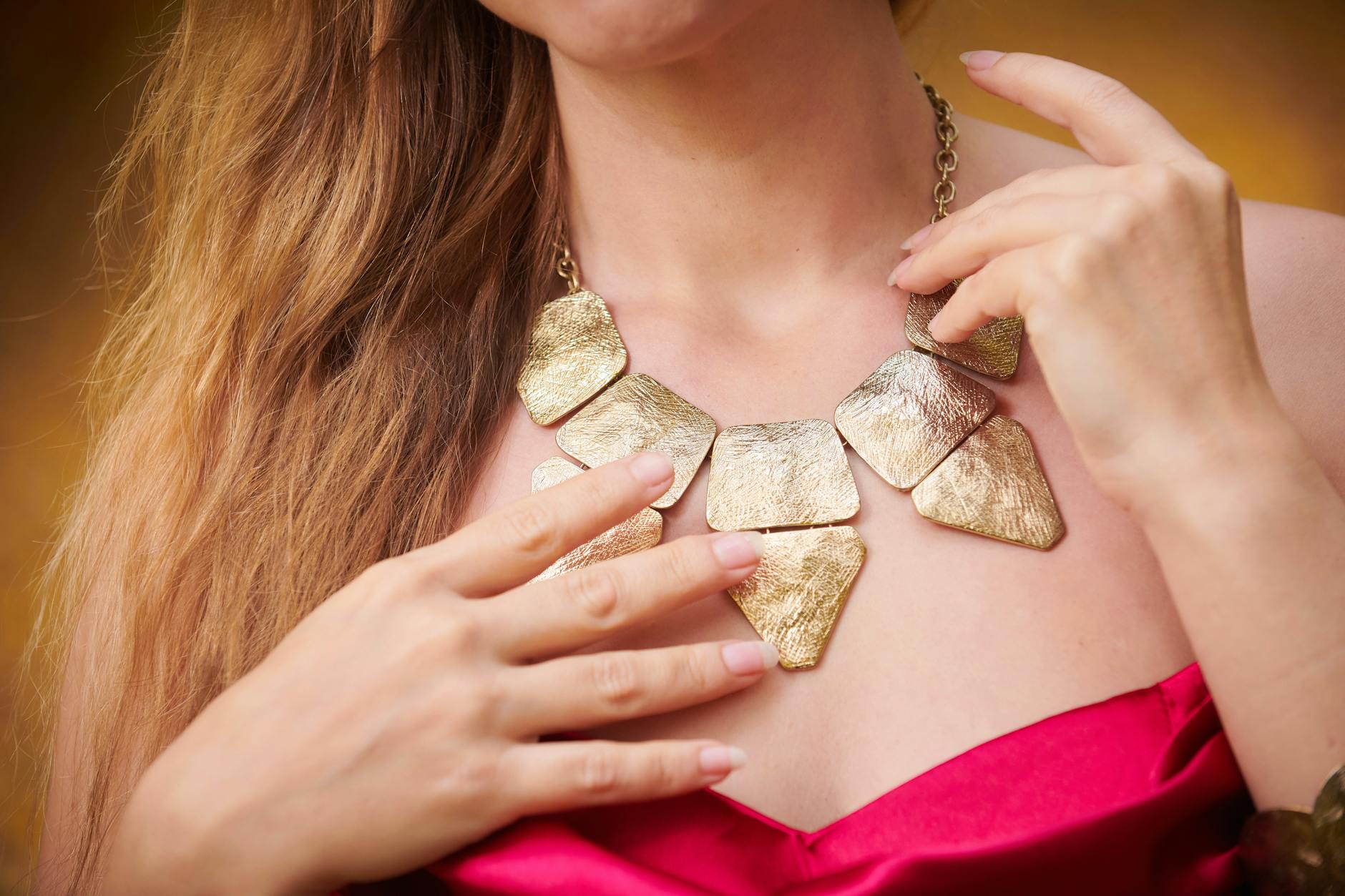
Gold and precious metals appreciate with market prices and offer no obsolescence risk—a gold necklace is worth its material value at minimum. A Givenchy bag appreciates based on brand desirability and condition, which are harder to predict. For a luxury jewelry collector, the question is whether brand desirability in handbags will outpace the stability of precious metals.
The Outlook for Givenchy and Luxury Pricing in 2025-2026
Looking forward, the luxury industry appears to be in a pricing normalization period. Brands raised prices aggressively from 2019-2024, and market resistance has emerged. Givenchy, like other houses, will likely moderate pricing increases and potentially focus on value perception rather than just brand markup.
Sarah Burton’s first full collection cycle will be important in determining whether the brand regains momentum or continues to face headwinds. For potential buyers, this creates a more favorable negotiating environment than existed two years ago. You’re more likely to find discounts, promotions, and secondary market availability than you would have been when luxury demand was universally strong. This period—where the market is resetting expectations—is often when savvy collectors find better value propositions.
Conclusion
Is Givenchy worth the price? It depends on whether you’re buying for the right reasons. If you’re seeking Italian craftsmanship, a heritage luxury brand, and a bag that will maintain shape and function for years, Givenchy delivers those things. Prices ranging from $2,000 to $4,000+ for bags are high, but they’re consistent with premium luxury positioning, and well-maintained pieces retain reasonable secondary market value.
However, you should buy Givenchy with eyes open about current market conditions: the luxury industry is in a pricing reset, demand is subdued, and creative leadership changes introduce uncertainty. Buy specific pieces you genuinely love and plan to use, not pieces you hope to flip or pieces driven by trend. Compare values across luxury categories and brands before committing. And be aware that the secondary market may soften over the next year or two, meaning buying now at peak prices carries some downside risk compared to waiting for a potentially more attractive entry point.
Frequently Asked Questions
How much do Givenchy bags typically cost?
Givenchy bags range from entry-level pieces around $460 to standard handbags between $2,000 and $4,000, with some specialty or limited pieces exceeding $5,000. The Antigona, one of the most popular styles, typically prices between $2,500 and $3,500.
Are Givenchy bags made in Italy?
Yes, Givenchy bags are manufactured in Italy to high standards using quality leather and durable hardware designed for long-term use.
Do Givenchy bags hold their value?
Well-maintained Givenchy bags typically retain 60-75% of their original purchase price on the secondary market, with classic styles like the Antigona holding value better than trendy seasonal pieces. Condition and colorway significantly impact resale value.
Why are luxury brands so expensive right now?
European luxury prices overall have increased at least 52% since 2019 due to inflation, supply chain costs, labor expenses, and margin expansion by luxury companies. However, market resistance emerged in 2025, with some brands like Chanel halting price increases.
Is Givenchy better than other luxury brands?
Givenchy offers comparable quality to other premium luxury brands like Gucci and Saint Laurent, but it lacks the universal brand recognition of Chanel, Hermès, or Louis Vuitton. The best choice depends on aesthetics, which creative direction resonates with you, and specific pieces you’re considering.
Should I buy Givenchy now or wait?
Given current market conditions with subdued luxury demand and brands moderating price increases, there may be opportunities for better pricing in the coming months. If you find a specific piece you love, it’s worth purchasing, but aggressive early buying at peak prices carries more downside risk than it did in previous market cycles.