

Styling Givenchy like a pro means understanding that the brand’s strength lies in architectural precision and understated luxury rather than obvious logos or maximalist statements. Givenchy pieces work best when they’re treated as foundational elements in a wardrobe—think structured silhouettes, clean lines, and a restrained color palette that lets the craftsmanship speak. For example, a Givenchy wool coat in black isn’t meant to compete with your accessories; it’s meant to be the anchor that makes everything around it look intentional and cohesive.
The key difference between wearing Givenchy and styling it like someone who truly understands the brand is knowing when to let the piece breathe. A Givenchy handbag or pair of heels doesn’t require competing luxury items to prove its worth. Instead, it pairs beautifully with basics—quality denim, simple knitwear, or understated separates—that create a sophisticated visual hierarchy where the Givenchy piece becomes the focal point through its design excellence, not through volume or color.
Table of Contents
- Understanding Givenchy’s Design Philosophy and Heritage
- Building a Givenchy-Anchored Wardrobe Strategy
- Occasion-Specific Styling Approaches
- Jewelry and Accessory Pairing for Maximum Impact
- Common Styling Pitfalls and How to Avoid Them
- The Role of Fit and Tailoring
- Evolving Your Givenchy Styling Over Time
- Conclusion
- Frequently Asked Questions
Understanding Givenchy’s Design Philosophy and Heritage
givenchy was built on a foundation of clean, wearable elegance that prioritizes structure and proportion. Hubert de Givenchy, the brand’s founder, believed that fashion should enhance a woman’s natural silhouette rather than overwhelm it. This philosophy still drives the brand today, meaning that Givenchy pieces tend to feature impeccable tailoring, refined fabrics, and a deliberate absence of unnecessary embellishment. When you wear Givenchy, you’re wearing the result of careful consideration about how a garment should move on the body.
This design ethos means that styling Givenchy pieces successfully requires respecting their inherent sophistication. A Givenchy dress with elegant draping doesn’t need a busy pattern mix or competitive statement jewelry. Instead, it benefits from strategic minimalism—clean shoes, a simple clutch, and perhaps one standout piece like a structured handbag or delicate necklace. The brand’s aesthetic is fundamentally about quality over quantity, so approaching your styling with the same philosophy ensures the pieces read as intentional rather than assembled.
Building a Givenchy-Anchored Wardrobe Strategy
The most common mistake with styling luxury pieces is treating them as separate “special occasion” items rather than integrating them into a cohesive wardrobe ecosystem. A Givenchy jacket or dress should work across multiple contexts—professional settings, evening events, casual upscale moments—because that versatility is embedded in the design. This means thinking about foundation pieces that complement Givenchy rather than building outfits around the Givenchy piece as a standalone statement. One practical limitation is that Givenchy pieces often command high prices, which means you may not have multiple items from the brand in every category.
This actually works in your favor when styling—it forces intentionality. If you own one Givenchy handbag, that bag becomes part of your signature, appearing in carefully curated outfits that showcase it properly. Compare this to wearing multiple competing logos or statement pieces from different brands, which dilutes the impact of any single item. A warning worth noting: over-accessorizing around a Givenchy piece can cheapen its presence, making it look like you’re trying to justify the investment rather than simply wearing something excellent.
Occasion-Specific Styling Approaches
For professional environments, Givenchy pieces provide unmatched credibility and polish. A Givenchy blazer in camel, black, or navy becomes the centerpiece of a polished workday wardrobe when paired with tailored trousers, a simple blouse, and understated jewelry. The architectural precision of Givenchy tailoring automatically reads as “serious” without requiring additional formality signals. Evening styling takes a different approach—here, a Givenchy gown or dress becomes the entire focus, with minimal jewelry (perhaps just earrings or a delicate bracelet), simple shoes, and a structured clutch that echoes the dress’s refined sensibility.
Casual styling with Givenchy pieces actually requires more thought than formal occasions, because the luxury brand is less familiar in relaxed contexts. A Givenchy sweatshirt or casual jacket works best when paired with premium basics—quality white sneakers, well-fitting jeans, and a structured bag. The strategy is to let the Givenchy piece elevate what would otherwise be a basic outfit, rather than making it feel costume-like or overly coordinated. For weekend wear, consider Givenchy pieces as your style foundation, then build around them with accessible, well-made basics that don’t compete for attention.
Jewelry and Accessory Pairing for Maximum Impact
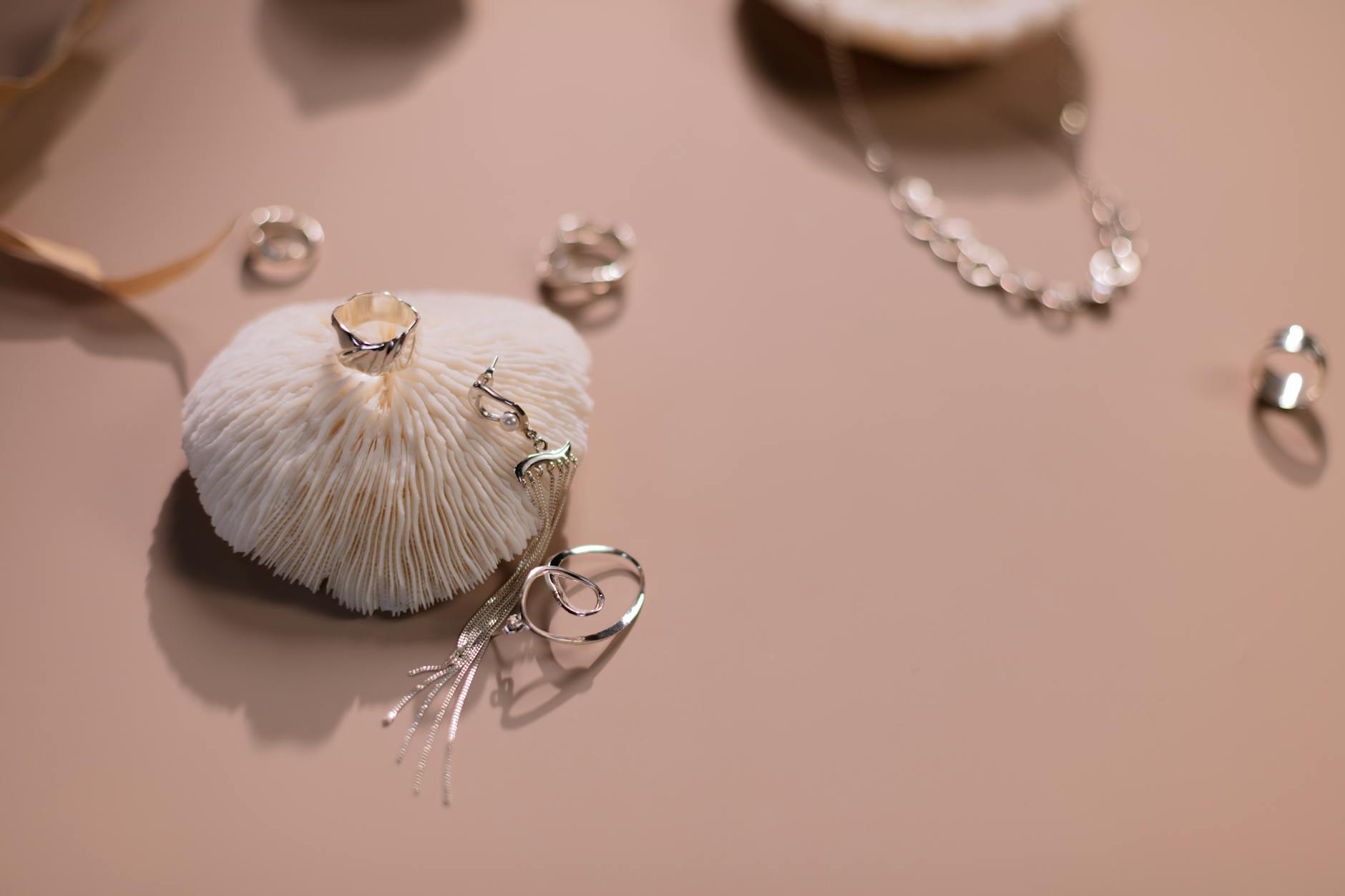
For a precious metals and luxury jewelry website, this consideration deserves particular attention. Givenchy pieces, especially structured handbags and tailored jackets, pair beautifully with fine jewelry precisely because both share an aesthetic of refinement and quality. The key is restraint—a simple gold necklace or pair of diamond studs enhances a Givenchy outfit without overwhelming it, while oversized costume jewelry or multiple competing metals undermines the cohesive luxury message you’re creating.
Handbags deserve special consideration when styling Givenchy, because the brand’s bags are statement pieces in their own right. A Givenchy tote or satchel works across multiple outfits and rarely needs competing accessories. When choosing other accessories—belts, scarves, shoes—think about proportion and color coordination rather than adding more “special” pieces. A simple leather belt in black or cognac, shoes that echo the color palette of your outfit, and jewelry that plays up your skin tone and the metals you prefer create a unified aesthetic that makes the Givenchy piece the obvious anchor rather than one item competing among many.
Common Styling Pitfalls and How to Avoid Them
The most frequent mistake is over-branding—wearing multiple visible logos or luxury brand signals in one outfit as if you’re cataloging your investment portfolio. A Givenchy piece with LV, Gucci, and Hermès all visible simultaneously dilutes the impact of each item and reads as insecure rather than confident. Instead, let the Givenchy piece carry the luxury signaling, and fill the rest of your outfit with quiet quality—premium fabric, excellent fit, thoughtful color choices. Another warning: selecting the wrong Givenchy piece for your lifestyle. A dramatic evening dress is beautiful, but if you never attend formal events, it sits unused.
Prioritize Givenchy pieces that integrate into your actual daily life and personal style rather than aspirational purchases that exist outside your genuine aesthetic. Color coordination issues are also common when people treat Givenchy pieces too carefully. A black Givenchy coat can anchor almost any outfit, but it requires confidence. Wearing it with equally dramatic pieces creates a cohesive statement, while pairing it with very casual basics can read as confused. The limitation here is that some Givenchy colors (certain jewel tones or architectural prints) work best in specific contexts. Before purchasing, consider how many outfit combinations the piece naturally fits into and whether it matches your existing wardrobe palette.
The Role of Fit and Tailoring
Givenchy’s reputation rests significantly on its precision tailoring, which means wearing the pieces in proper-fitting sizes is non-negotiable. A oversized Givenchy jacket loses all its architectural intention; it becomes a borrowed item rather than a styled piece. Similarly, a Givenchy dress requires the correct fit to hang properly—that specific quality of the design depends on proportional accuracy. This is where Givenchy differs from some brands where oversizing or intentional looseness is an acceptable style choice.
You may need tailoring to achieve the intended silhouette, which is a worthwhile investment given the piece’s cost and the brand’s design premise. Finding the right fit sometimes requires patience, particularly if you’re between sizes or have specific fitting preferences. The payoff is that once properly fitted, Givenchy pieces become immediate centerpieces in an outfit through the sheer elegance of their construction. A well-fitted Givenchy blazer changes how you stand and carry yourself—that confidence becomes part of the overall styling impact.
Evolving Your Givenchy Styling Over Time
Givenchy continues to evolve its design language while maintaining core brand principles. Contemporary collections introduce new silhouettes, fabric innovations, and occasionally bolder color stories, but always within the framework of structured elegance. This means your Givenchy wardrobe strategy should grow with the brand—a timeless camel coat from five years ago remains relevant when styled alongside a more current Givenchy piece in a newer silhouette.
The brand’s designs age gracefully both literally (quality construction means pieces last for years) and stylistically (the emphasis on proportion and fit supersedes seasonal trends). As your personal style develops, you may find that certain Givenchy pieces become signature items—the bag everyone recognizes you with, the coat that appears in your most confident outfits. This is the ultimate proof that you’ve mastered styling Givenchy like a professional: the pieces don’t feel like luxury purchases you’re showing off, they feel like essential elements of how you present yourself to the world.
Conclusion
Styling Givenchy like a pro fundamentally means respecting the brand’s core values of architectural precision, restrained elegance, and wearable luxury. This translates to building outfits where the Givenchy piece serves as the foundation and focal point, supported by quality basics and accessories that enhance rather than compete. The approach requires confidence, intentionality, and a commitment to proportion and fit—elements that transform a luxury purchase from something you own into something that becomes part of your personal style signature.
Start by identifying which Givenchy piece genuinely integrates into your lifestyle and aesthetic, then build your styling strategy around it. Pair it with quality basics, select jewelry and accessories that enhance without overwhelming, and let the brand’s inherent sophistication do the work for you. This restrained, thoughtful approach is precisely what separates wearing Givenchy from styling it.
Frequently Asked Questions
Can I mix Givenchy with other luxury brands in one outfit?
Yes, but sparingly. The principle is to let one brand anchor the outfit—usually Givenchy—while other luxury pieces play supporting roles. For example, a Givenchy dress with Hermès heels works; a Givenchy dress with visible Gucci, Prada, and Louis Vuitton pieces does not.
What’s the best starter Givenchy piece for someone building a luxury wardrobe?
A structured handbag or a neutral tailored blazer. Both integrate across multiple outfits and demonstrate why the brand’s reputation is justified. These pieces work in professional, casual, and elevated contexts.
Does Givenchy require special care or maintenance?
Yes. Quality fabrics and construction benefit from professional cleaning, proper storage, and careful handling. This investment in maintenance extends the piece’s lifespan and preserves the structural integrity that makes Givenchy distinctive.
How should I accessorize a Givenchy gown for an evening event?
Minimize competing elements. Choose either statement jewelry or a statement clutch, not both. Simple earrings, a delicate bracelet, and a structured bag in a complementary color create coherence. Let the dress’s design carry the event impact.
Can Givenchy pieces work in casual, everyday styling?
Absolutely, but context matters. A Givenchy blazer over jeans reads differently than a Givenchy gown. The key is pairing elevated pieces with accessible basics—quality denim, simple knitwear, neutral shoes—so the outfit feels intentional rather than overdressed.
What’s the difference between vintage Givenchy and current collections when styling?
Both are valid, but current pieces reflect contemporary silhouettes and fit sensibilities. Vintage Givenchy offers heritage appeal and unique pieces; current collections align with modern proportions. Style them according to their era—don’t force a 1990s silhouette into a contemporary outfit context.