

Dior outfit ideas work best when you treat them as a foundation for personal styling rather than rigid templates to follow exactly. The house’s approach to tailoring, proportion, and timeless design creates outfits that function across multiple contexts—whether you’re dressing for a gallery opening or a business dinner—but only if you understand the underlying principles. A Dior silhouette paired with the wrong accessories or layered incorrectly can feel costumey or dated, whereas the same pieces styled with intention and restraint read as effortlessly elegant.
The secret is that Dior outfits rely on balance: structured pieces like the iconic Bar jacket or A-line skirt need to be grounded with practical footwear and quality jewelry that doesn’t compete for attention. For example, pairing a Dior haute couture skirt with a simple cream sweater, gold-toned jewelry, and ballet flats creates an outfit that works in real life, not just on a runway. The proportions remain dramatic, but the overall effect is wearable and sophisticated.
Table of Contents
- How Do You Build a Wearable Dior Look Around Your Existing Wardrobe?
- Understanding Dior’s Design Proportions and What Works for Different Body Types
- Accessories That Ground a Dior Outfit in Reality
- Layering and Seasonal Styling: Making One Dior Piece Work Year-Round
- The Risk of Looking Costume-Like: When Does a Dior Outfit Tip Into Overstyled Territory?
- Building a Capsule: Which Dior Pieces Offer the Most Versatility?
- The Evolution of Personal Dior Style: From Copying to Creating
- Conclusion
- Frequently Asked Questions
How Do You Build a Wearable Dior Look Around Your Existing Wardrobe?
Most people approach dior pieces as standalone statement items, but they integrate most successfully when anchored to basics you already own. A Dior bag or printed silk scarf can elevate a neutral outfit of jeans and a sweater, extending the value of both the luxury piece and your everyday items. The key difference between a cohesive Dior outfit and an awkward collision of styles comes down to restraint—choosing one Dior element as the focal point and letting everything else support it rather than compete. Consider the difference between wearing a Dior coat over designer jeans with a statement belt and Dior heels (too many competing luxury items) versus wearing the same coat over dark jeans, a fitted turtleneck, and simple leather loafers (the coat becomes the story).
The second approach costs less overall because it relies on pieces you likely already have, and it reads as more intentional. This principle applies whether you’re working with a Dior dress, jacket, or even a smaller item like a silk blouse. One strong piece. Everything else in service of that piece.

Understanding Dior’s Design Proportions and What Works for Different Body Types
Dior’s postwar silhouette emphasized a defined waist and fuller skirt or jacket body, a proportion that doesn’t flatter every figure equally. Recognizing whether a particular Dior style enhances or fights against your natural proportions matters more than the prestige of owning the piece. A woman with a petite frame might find that an unaltered Bar jacket overwhelms her shoulders, while a taller woman with narrower hips might feel the dramatic skirt proportions are balanced and comfortable.
Alterations are not a sign of failure; they’re a practical step that separates a piece that works from one that sits in your closet. The limitation here is that Dior’s ready-to-wear and special occasion pieces are designed with specific proportions in mind, often assuming a relatively tall, slim figure. If you fall outside that category, you have a choice: seek out Dior pieces designed with different proportions (some of their jacket styles have less extreme silhouettes), invest in alteration, or look to other luxury houses that might align more naturally with your frame. There’s no shame in acknowledging that a designer’s core aesthetic doesn’t suit you—it simply means you invest your budget elsewhere.
Accessories That Ground a Dior Outfit in Reality
The right accessories determine whether a Dior outfit reads as aspirational or actually functional. A Dior dress needs jewelry that complements rather than mirrors its elegance. Gold jewelry pairs warmly with most Dior fabrics and designs, particularly those in warm neutrals, pastels, or jewel tones. Silver works beautifully with cooler Dior pieces—think pale blues, grays, and black.
Pearls offer a timeless option that coordinates with almost any Dior item and brings a refined quality that matches Dior’s own aesthetic. For example, a Dior dress in a neutral tone with delicate beading works beautifully with simple gold drop earrings and a matching bracelet, while the same dress could feel overstated with multiple necklaces or layered jewelry. The jewelry should acknowledge the dress rather than duplicate its decorative effort. Shoes present a similar consideration: a dramatic printed Dior coat or dress often looks better with a clean, well-made shoe (a structured pump, simple loafer, or elegant flat) rather than a busy or trendy style that competes for visual attention. Your jewelry and shoes are the supporting cast—they should enhance, not audition.
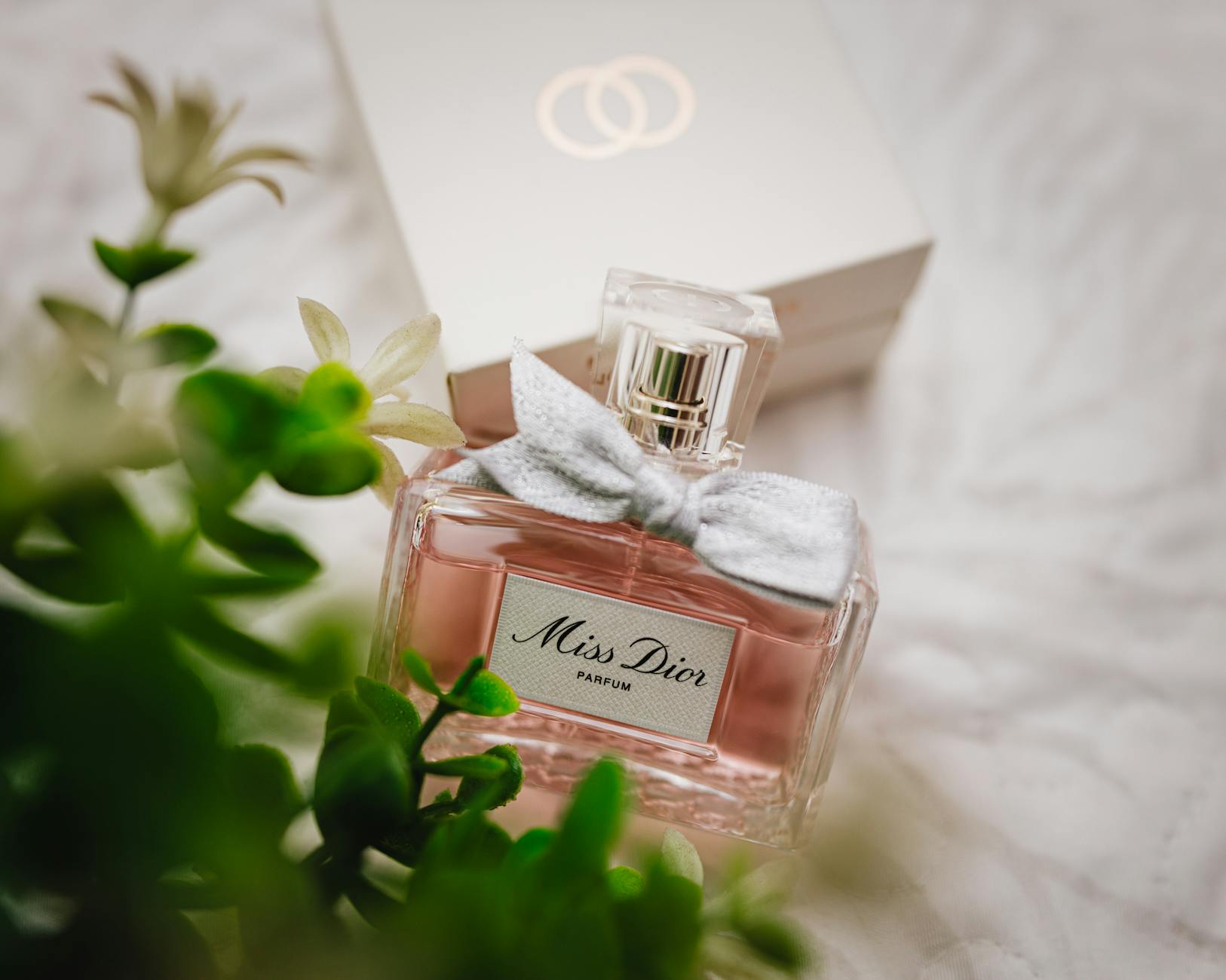
Layering and Seasonal Styling: Making One Dior Piece Work Year-Round
A single Dior piece can function across multiple seasons and occasions with thoughtful layering. A Dior silk blouse worn tucked into trousers in summer transitions to an unbuttoned layer over a sweater and cardigan in fall. A lightweight Dior scarf works as a neckline accent in warm months and wraps around the neck or shoulders when temperatures drop. The flexibility here is greater than many luxury pieces because Dior’s design heritage includes practical construction alongside aesthetic ambition.
However, there’s a tradeoff to acknowledge: layering a precious piece increases wear and requires more careful laundering and storage. A Dior silk blouse layered under cardigans multiple times weekly will show signs of friction sooner than one worn standalone and less frequently. Similarly, wrapping a scarf around your shoulders repeatedly can stress the edges and corners in ways that a single styling wouldn’t. The solution isn’t to avoid layering—it’s to be intentional about how often you layer a particular piece and to adjust care routines accordingly.
The Risk of Looking Costume-Like: When Does a Dior Outfit Tip Into Overstyled Territory?
The most common mistake when styling Dior is believing that more Dior elements equals a better outcome. A woman wearing a Dior dress, Dior coat, Dior bag, Dior shoes, and Dior sunglasses doesn’t necessarily look more elegant than someone wearing a Dior dress with high-quality pieces from other sources. In fact, the monologue look—everything from one house—often reads as costume or as someone trying too hard to broadcast their investment. It’s a warning worth heeding: the goal of elegant dressing is to be the story, not the logo. Another subtle risk involves scale and detail interaction.
Dior’s designs often feature precise tailoring and refined details. Pairing a delicately printed or beaded Dior dress with loud patterned accessories, ornate jewelry, or busy styling creates visual chaos. A Dior piece with minimal embellishment needs more room for accessory expression, while a densely detailed piece demands simplicity around it. Test your complete outfit by standing back and viewing it as a whole rather than individual elements. If your eye doesn’t know where to land, you’ve likely layered too many competing details.

Building a Capsule: Which Dior Pieces Offer the Most Versatility?
If you’re investing in Dior pieces strategically, certain categories offer more outfit combinations than others. A Dior jacket—particularly in a neutral like black, navy, or camel—works over countless outfit combinations: dresses, trousers, jeans, and skirts. A Dior scarf or belt can change an entire outfit’s feeling without requiring additional purchases.
A well-chosen Dior bag, whether structured or soft, neutral or patterned, becomes a constant accessory across seasons and occasions. Less versatile are highly specific pieces like elaborately decorated gowns or jackets in statement colors or prints, which naturally limit the outfits they integrate into. If you’re building a collection rather than collecting individual pieces, prioritize the neutral, foundational items that you’ll actually reach for repeatedly. A black Dior coat worn two hundred times over five years delivers far better value than a special occasion dress worn once.
The Evolution of Personal Dior Style: From Copying to Creating
Most people begin wearing Dior by recreating looks they’ve seen in fashion magazines or on social media. That’s a practical starting point—it gives you permission to try the pieces and understand how they feel to wear. But Dior outfits actually work best when you stop referencing external sources and start designing based on your own life, body, and preferences.
What occasions do you actually attend? What weather do you face in your region? What does a realistic day look like for you? Answer those questions first, then choose Dior pieces and styling that serve that reality. As you wear Dior more intentionally, you’ll likely discover that your personal style emerges—perhaps you always reach for the same gold jewelry with Dior, or you instinctively avoid certain color combinations, or you find that your best outfits share an unexpected proportion or aesthetic. Trust that direction. A Dior outfit works when it feels natural for you to wear, not when it matches an external ideal.
Conclusion
Dior outfit ideas work because the design principles behind them are rooted in proportion, quality, and restraint. The elegant effect people admire isn’t created by owning multiple Dior pieces or perfectly replicating runway looks—it comes from understanding which pieces serve your life, choosing supporting pieces that enhance rather than compete, and styling with intention rather than accumulation. The accessibility of Dior pieces has increased significantly, making it possible to own a meaningful item even without an unlimited budget. Your next step is identifying which single Dior piece would serve you best—the one you’d reach for repeatedly and enjoy wearing in your actual life.
Build from there. Style it with what you already own. Invest in one quality accessory that coordinates with multiple outfits. The refinement and elegance you see in great Dior styling comes not from expense but from clarity of purpose.
Frequently Asked Questions
Can you wear Dior pieces with non-designer basics?
Yes, absolutely. A Dior jacket, dress, or coat paired with well-made basics from contemporary brands often looks more intentional and modern than pairing it exclusively with other designer pieces. The key is that those basics are well-fitting, good quality, and in neutral tones or complementary colors.
How much does a realistic Dior outfit actually cost?
That depends entirely on which pieces you choose and whether you’re buying current season or vintage. A Dior bag might range from $1,200 to $5,000 or more, while a jacket runs $1,500 to $4,000. The supporting pieces—basics, shoes, jewelry—can come from anywhere, so you can build a complete outfit for as little as $2,000 or as much as $10,000 plus, depending on how many Dior elements you include.
Is it worth buying vintage Dior instead of current season?
Vintage Dior often offers better value for classic pieces—structured bags, jackets, and timeless silhouettes often improve with age and cost significantly less than current-season equivalents. However, you need to verify condition carefully and understand what you’re getting. Current-season pieces come with the guarantee of newness and certain styling options not available in older collections.
How do you style Dior if you’re not thin or tall?
Thoughtfully. Seek out Dior pieces designed with different proportions, invest in expert tailoring, choose styles that complement your specific frame rather than fighting it, and remember that elegance isn’t limited to one body type. Some Dior pieces will work brilliantly for you; others won’t. That’s true for everyone.
What’s the difference between Dior ready-to-wear and Dior haute couture in terms of wearability?
Ready-to-wear is made in standard sizes and designed for regular occasions; haute couture is custom-made and designed for special events. Ready-to-wear is far more practical for everyday styling and typically costs less (though still significant). Both can be elegant when styled appropriately for their intended context.