

Styling Dior like a professional means understanding that the house’s aesthetic isn’t about making a loud statement—it’s about precision, proportion, and the confidence to wear structured, elegant pieces without apology. Whether you’re wearing a classic Dior Bar jacket or a contemporary silhouette, the key is respecting the tailoring while letting the garment’s quality speak for itself rather than overwhelming it with accessories or trends. A Dior trench coat paired with simple jewelry and neutral tones, for instance, doesn’t need competing visual elements; the piece itself carries the weight of the styling.
The Dior woman (or man) has always been defined by a particular kind of polish: clean lines, impeccable fit, and an almost understated confidence. This isn’t about following every seasonal trend the house releases; it’s about understanding which Dior pieces work with your lifestyle and building outfits around them with intention. Professionals who style Dior well know that the brand rewards restraint, investment in basics, and genuine appreciation for construction rather than logo visibility.
Table of Contents
- What Defines Dior’s Design Philosophy and How Does It Shape Styling?
- Building Your Dior Foundation with Investment Pieces That Last
- Mastering Proportion and Balance in Your Dior Looks
- Accessorizing Dior with Luxury Jewelry That Complements Rather Than Competes
- Common Styling Mistakes That Undermine Dior’s Quality
- Adapting Dior Across Different Settings and Occasions
- Investing in Dior as a Long-Term Wardrobe Strategy
- Conclusion
- Frequently Asked Questions
What Defines Dior’s Design Philosophy and How Does It Shape Styling?
dior‘s DNA centers on structured femininity combined with masterful tailoring—a principle established by founder Christian Dior in 1947 and refined across decades. The brand’s pieces are designed to flatter the body through precision cutting, not through excessive decoration, which means styling them effectively requires understanding this foundation. A Dior dress or jacket is built to work best when the wearer’s body is the focal point, supported by the garment’s architecture rather than hidden beneath layers or competing patterns. This design philosophy creates a practical styling rule: Dior pieces typically look best when paired with simpler, more neutral pieces that don’t fight for attention.
For example, a Dior jacquard coat in cream and gold works best with solid-colored basics underneath and minimal jewelry, allowing the coat’s pattern and construction to remain the centerpiece. Compare this to wearing the same coat with patterned pants, a busy top, and multiple statement necklaces—the outfit becomes visually chaotic, and the coat’s quality becomes secondary to the noise around it. Understanding Dior’s commitment to proportion also shapes how you should style the body itself. The brand traditionally emphasizes a defined waist, elegant necklines, and balanced proportions, so when you wear Dior pieces, these structural elements should be visible and uncompromised. Pairing a fitted Dior jacket with oversized, shapeless pieces underneath defeats its purpose.
Building Your Dior Foundation with Investment Pieces That Last
Every professional wardrobe built on Dior starts with foundational pieces that transcend seasons and trends: the tailored blazer, the structured handbag, the perfectly fitting pants, and a quality coat. These aren’t pieces to rotate based on what’s currently in style; they’re workhorses that define your Dior aesthetic and serve as the backbone for dozens of outfits. The classic Dior bar jacket, introduced in 1947, remains the strongest example of this principle—nearly 80 years later, it’s still the most reliable piece in a Dior wardrobe because its proportions and structure are timeless. Investing in these foundation pieces requires being honest about fit and lifestyle. A Dior suit jacket that doesn’t fit your body correctly becomes an expensive mistake, no matter how beautifully constructed it is.
Many people assume that high price tags guarantee perfect fit off the rack, but tailoring is almost always necessary—and that’s where professional styling begins. A Dior blazer tailored to your specific proportions will look exponentially better than an ill-fitting designer piece. The limitation here is real: tailoring adds cost and time, and not every Dior piece is worth the investment for your particular lifestyle. A formal ball gown might be beautiful, but if you attend one event yearly, it’s not a practical foundation piece. Once you’ve established these core pieces, everything else you add to your wardrobe should work in concert with them. This isn’t about owning more Dior; it’s about building a cohesive system where one jacket, one pair of pants, and one coat can form the basis of weeks of different outfits.
Mastering Proportion and Balance in Your Dior Looks
Proportion is the language Dior speaks, and mastering it transforms how you wear the brand. If you wear a fitted, structured jacket, your bottoms should have clean lines—tailored trousers, an A-line skirt, or straight-leg jeans all work. If you choose a dress with a voluminous skirt, the top should be more fitted to maintain visual balance. This isn’t fashion rule-following for its own sake; it’s respecting the silhouette the designer created and understanding that Dior pieces are engineered to work within specific proportional relationships. Real-world example: A Dior ball gown with a fitted bodice and dramatic skirt is designed to be worn alone or with minimal layering—a thin silk slip underneath, perhaps a delicate shawl, nothing more.
Wearing it with a chunky cardigan or heavy outerwear obscures the dress’s carefully constructed proportions and defeats its purpose. Similarly, a slim Dior dress pairs beautifully with a structured coat, but pairing it with an oversized hoodie creates visual confusion where the dress’s elegance becomes secondary to the casualness of the outer layer. The tradeoff comes when lifestyle and proportion expectations clash. If you live in a cold climate and own a fitted Dior dress you love, you’ll need to think creatively about layering—perhaps a tailored wool coat in a coordinating color, or accepting that the dress is a warmer-weather piece. Forcing proportion rules into contexts where they don’t work creates outfits that look strained.
Accessorizing Dior with Luxury Jewelry That Complements Rather Than Competes
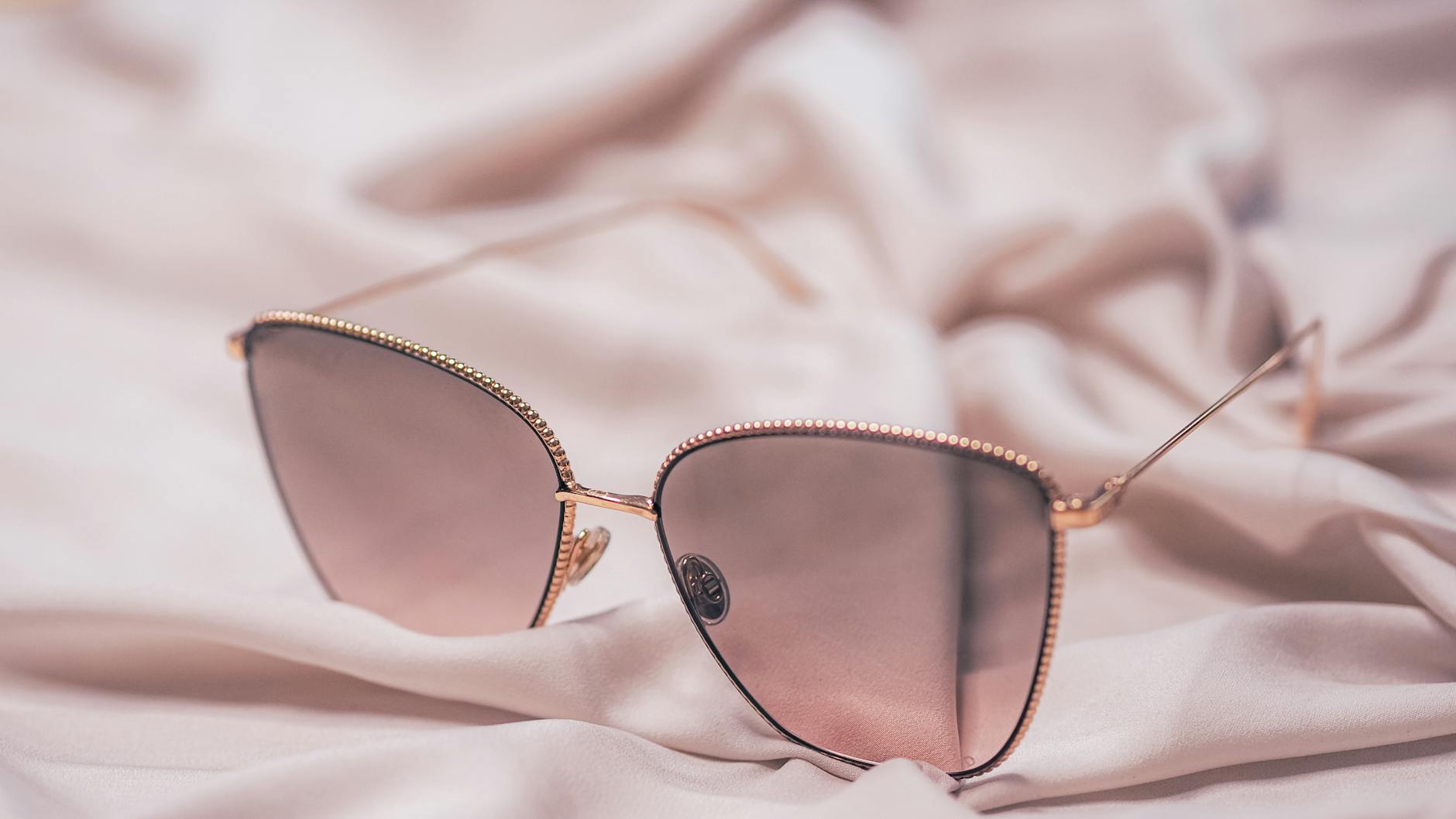
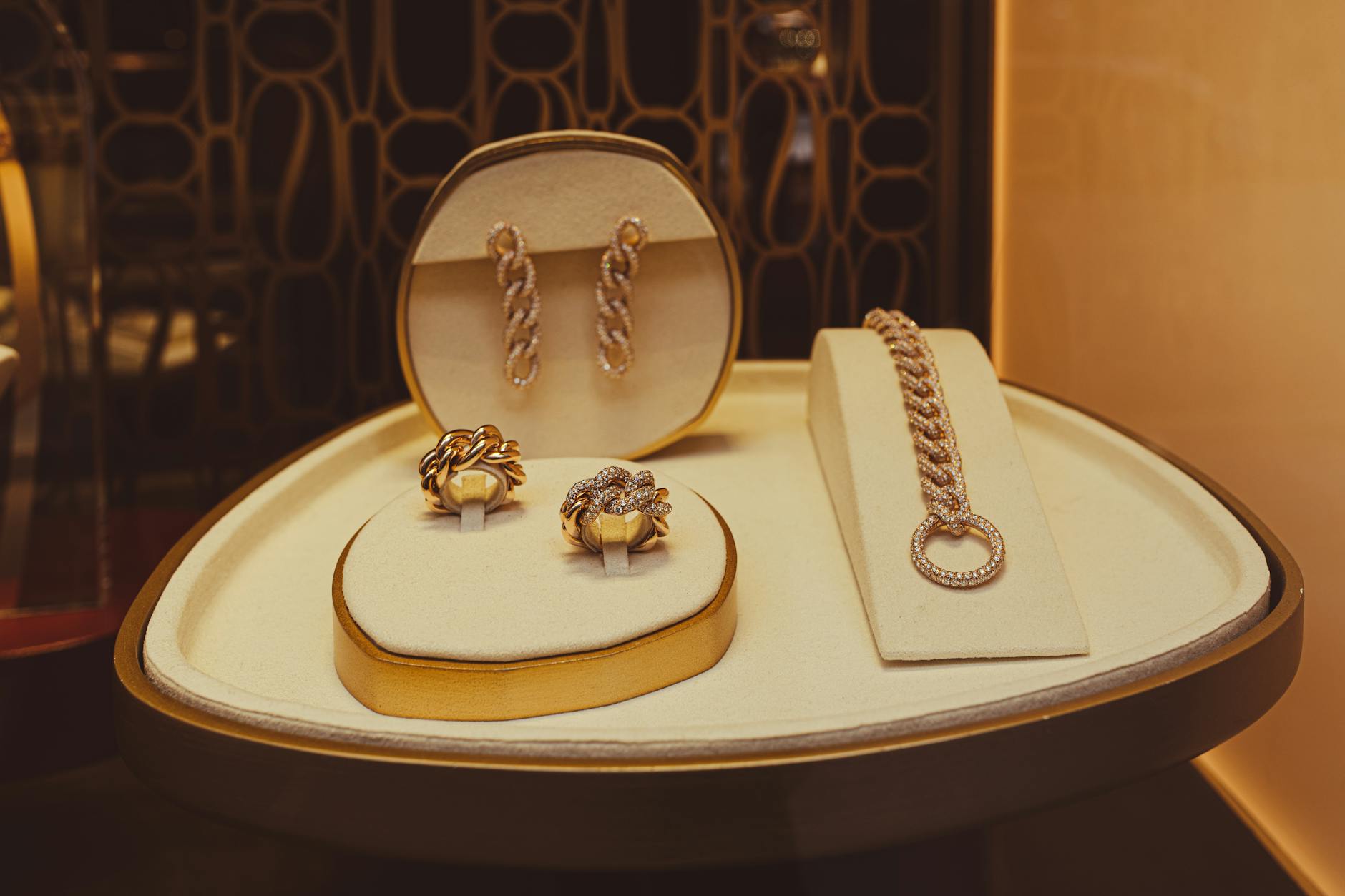
This is where luxury jewelry becomes essential to styling Dior professionally. The brand’s clean, structured aesthetic is the perfect canvas for quality jewelry—but the key word is quality, not quantity. A Dior outfit diminishes when paired with costume jewelry or excessive pieces; it elevates when accessorized with genuine luxury items that enhance without dominating. For a precious metals and luxury jewelry perspective, this means thinking about gold, silver, platinum, and meaningful gemstones rather than trend-driven statement pieces. Consider the difference between a Dior jacket paired with three layered necklaces and multiple rings versus the same jacket with a single heirloom gold bracelet and a pair of pearl stud earrings.
The first approach treats jewelry as decoration competing with the jacket. The second approach treats jewelry as an element that enhances and completes the overall aesthetic. A tailored Dior dress at the knee works beautifully with delicate jewelry—perhaps a white gold necklace or subtle diamond pieces—while the same dress would look unbalanced with heavy, oversized jewelry that pulls focus downward. The proportion principle applies to jewelry as much as to clothing. Larger Dior pieces (statement jackets, full-skirted dresses, structured coats) can carry more substantial jewelry, while slender pieces require restraint. A silk Dior shift dress paired with an ornate statement necklace creates visual conflict; that same dress with a simple chain and a bold right-hand ring works beautifully.
Common Styling Mistakes That Undermine Dior’s Quality
The most frequent mistake professionals see is mixing Dior with fast fashion or low-quality basics in an attempt to make the investment feel more casual. This approach backfires: a $2,000 Dior jacket looks worse paired with a $20 fast-fashion t-shirt than wearing no Dior piece at all, because the quality contrast becomes glaring and makes the expensive piece feel out of place rather than elevated. Dior deserves to be worn with pieces of comparable construction and material quality, even if they’re not all Dior-branded. Another critical warning: avoid mixing too many brands or styles in a single outfit. Dior’s aesthetic is coherent and deliberate, so when you combine it with pieces from brands with conflicting design philosophies, the outfit loses its sense of intention.
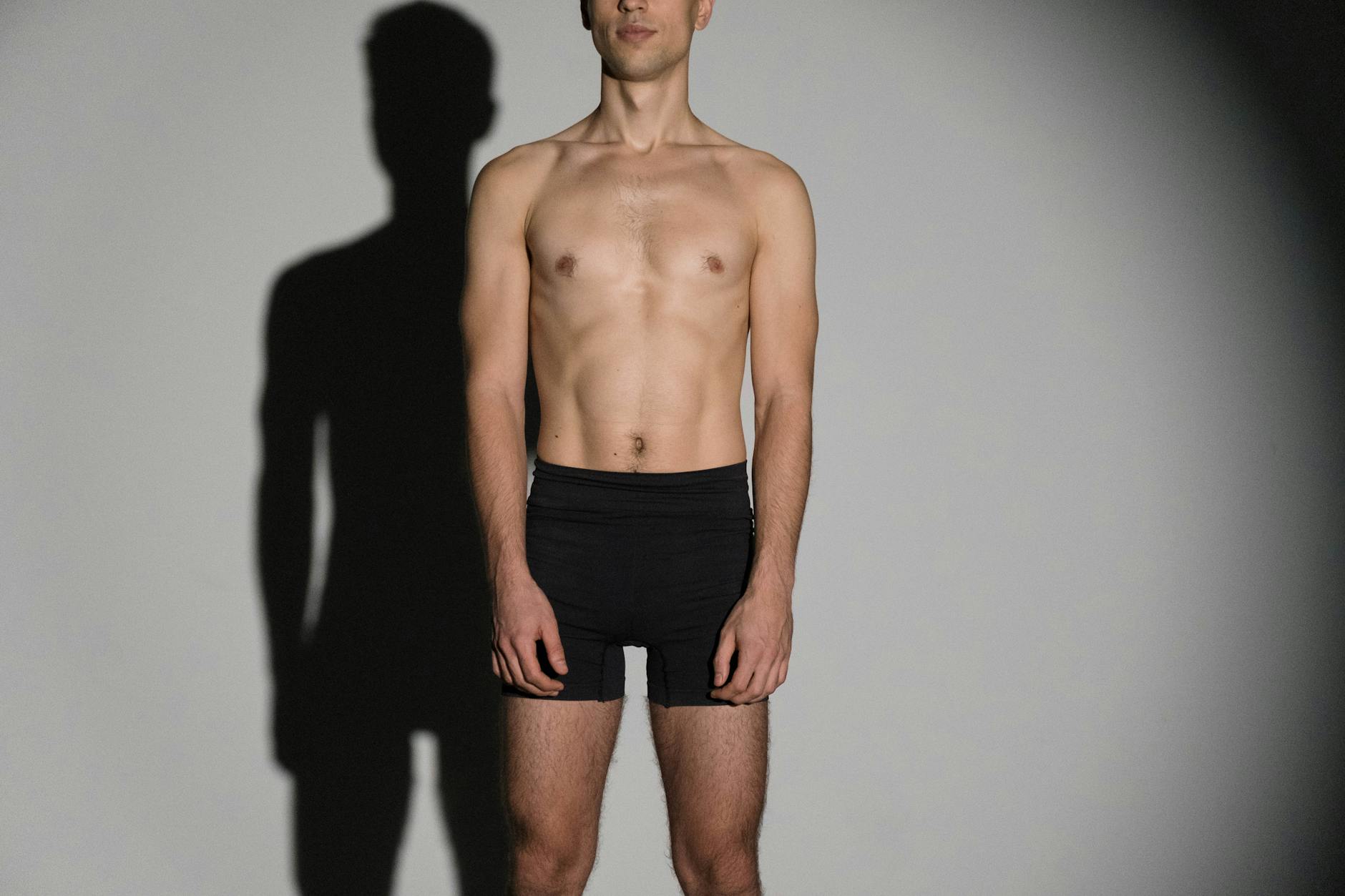
Pairing a Dior jacket with vintage band t-shirts and street-wear sneakers can work in very specific, intentional contexts, but for most professional styling, it reads as confused rather than creative. The limitation of Dior styling is its unforgiving nature. Because the pieces are so well-constructed and their proportions so specific, they show imperfections immediately—wrinkles in the fabric, poor fit, visible wear, or incompatible pieces all stand out. You can’t hide behind loose layering or visual busy-ness. This means Dior pieces demand more maintenance, more careful styling, and a higher baseline standard of presentation than more casual wardrobes.
Adapting Dior Across Different Settings and Occasions
Dior’s versatility comes from its core aesthetic rather than from radical transformation. A Dior blazer works for the office in a neutral palette with simple jewelry, and it works for evening when styled with silk pants, heels, and statement earrings—but the blazer’s role and the overall feeling shift based on context. The key is understanding which Dior pieces have range and which are occasion-specific, then styling accordingly. A black Dior pencil dress, for example, transitions from office to evening by changing accessories and shoes. Pair it with simple jewelry, a structured bag, and low heels for daytime professional settings. Swap to heeled sandals, delicate gold jewelry, and an evening bag for dinner or an event.
The dress itself doesn’t change; the context does. Compare this to a heavily embellished Dior cocktail dress, which has much narrower occasion range and demands more dramatic accessorizing and styling to work. The practical consideration: understand your lifestyle honestly before investing in specific Dior pieces. A woman who works in a creative industry with a casual dress code will get more use from Dior separates (jackets, structured trousers, minimal dresses) than from formal gowns. A person attending regular formal events might justify investment in occasion-specific pieces. Buying Dior without considering where and how you’ll actually wear it guarantees expensive pieces sitting unused in your closet.
Investing in Dior as a Long-Term Wardrobe Strategy
Unlike fast fashion, Dior pieces appreciate in value when maintained properly, making them genuine investments rather than depreciating purchases. A classic Dior jacket from a decade ago is often more wearable and valuable than current trend-driven pieces, because the brand’s foundational designs remain timeless. This perspective changes how you should approach building a Dior wardrobe—not around seasonal trends, but around pieces that will work in five years, ten years, or longer.
Professional stylists who work with significant budgets prioritize Dior investment pieces because they know these garments will hold value and wearability over time. A $3,000 jacket worn once yearly for fifteen years is actually more economical than buying ten $300 jackets that feel dated after two years. This forward-looking approach means being selective, choosing pieces in neutral colors and timeless silhouettes, and understanding construction quality. When you style Dior with this investment mindset, each piece becomes more intentional, and the overall wardrobe feels more cohesive and valuable over time.
Conclusion
Styling Dior professionally means honoring the brand’s core aesthetic of precision, proportion, and quality rather than trying to personalize it beyond recognition. Start with foundational pieces that fit your life, build outfits that respect the silhouette and balance these pieces create, and accessorize with luxury jewelry and items of comparable quality.
The brand rewards restraint and intentionality over experimentation and trend-chasing. Moving forward, approach Dior as an investment in a personal style language rather than as a collection of beautiful pieces. When you understand the principles that govern Dior’s design—structure, proportion, and timeless elegance—styling the brand becomes less about following rules and more about making confident, informed choices that will feel right and look polished for years to come.
Frequently Asked Questions
Can you mix Dior with other luxury brands?
Yes, but the key is maintaining a cohesive aesthetic. Mixing Dior with another classic luxury brand (like Hermès or Valentino) generally works because they share similar design philosophies. Mixing Dior with brands that have conflicting aesthetics creates visual confusion.
How much Dior jewelry should you wear with Dior clothing?
The rule is proportion-based: delicate Dior pieces pair with delicate jewelry, structured pieces can carry more significant jewelry, and the total amount should never compete with the clothing itself. Often, one statement piece or simple, high-quality jewelry is sufficient.
Is it worth tailoring Dior pieces?
Absolutely. Tailoring is often essential to making Dior pieces work properly because the brand’s aesthetic depends on precise fit. A tailored Dior jacket will always look better than an ill-fitting designer piece, regardless of the tailoring cost.
How do you style Dior for a casual look?
Pair Dior separates with high-quality basics in neutral colors, minimal jewelry, and simple accessories. A Dior blazer with tailored jeans and leather flats creates elevated casual styling. Avoid mixing Dior with overtly casual items like athletic wear or graphic t-shirts.
Does Dior work for everyday wear?
Yes, if you invest in the right pieces. Structured jackets, tailored pants, and minimal dresses from Dior all work for everyday wear, particularly in professional or polished casual settings. Occasion-specific pieces like ball gowns don’t, which is why understanding your lifestyle matters.
How do you maintain Dior pieces to preserve their value?
Store pieces properly (on quality hangers, in breathable garment bags), have them cleaned professionally only when necessary, repair small issues immediately, and avoid exposing them to direct sunlight or moisture. Well-maintained Dior pieces hold value and wearability significantly better than poorly maintained ones.