

Chrome Hearts is experiencing unprecedented cultural momentum because the brand’s bold, rebellious aesthetic has perfectly aligned with the current luxury zeitgeist, where understated minimalism has given way to maximalist, statement-driven design. This shift reflects a broader rejection of safe luxury branding in favor of pieces that communicate attitude and individuality—qualities Chrome Hearts has championed since its founding in 1988. When celebrities like Travis Scott, Bella Hadid, and The Weeknd are photographed wearing Chrome Hearts rings, chains, and accessories as status symbols, it signals that the brand has transcended its traditional audience of motorcycle enthusiasts and gothic-leaning consumers to become a mainstream luxury aspirational brand.
The timing is particularly significant because Chrome Hearts operates from a position of relative scarcity and exclusivity. Unlike mass-market luxury houses that saturate retail spaces and social media, Chrome Hearts maintains strict production limits and limited distribution, which naturally elevates demand and desirability. The brand’s refusal to engage in typical marketing tactics—no major advertising campaigns, no celebrity endorsement deals, minimal social media presence—has paradoxically made it more relevant in an era where consumers are fatigued by aggressive marketing and authenticity is currency.
Table of Contents
- What Makes Chrome Hearts Different From Other Luxury Jewelry Brands?
- How Celebrity Endorsement and Cultural Influence Drive Demand
- The Role of Limited Availability and Production Scarcity
- Understanding the Luxury Jewelry Market Shift Toward Bold Design
- Navigating Counterfeits and Authentication Challenges
- The Impact of Strategic Brand Collaborations
- Future Outlook and Sustainability of the Moment
- Conclusion
- Frequently Asked Questions
What Makes Chrome Hearts Different From Other Luxury Jewelry Brands?
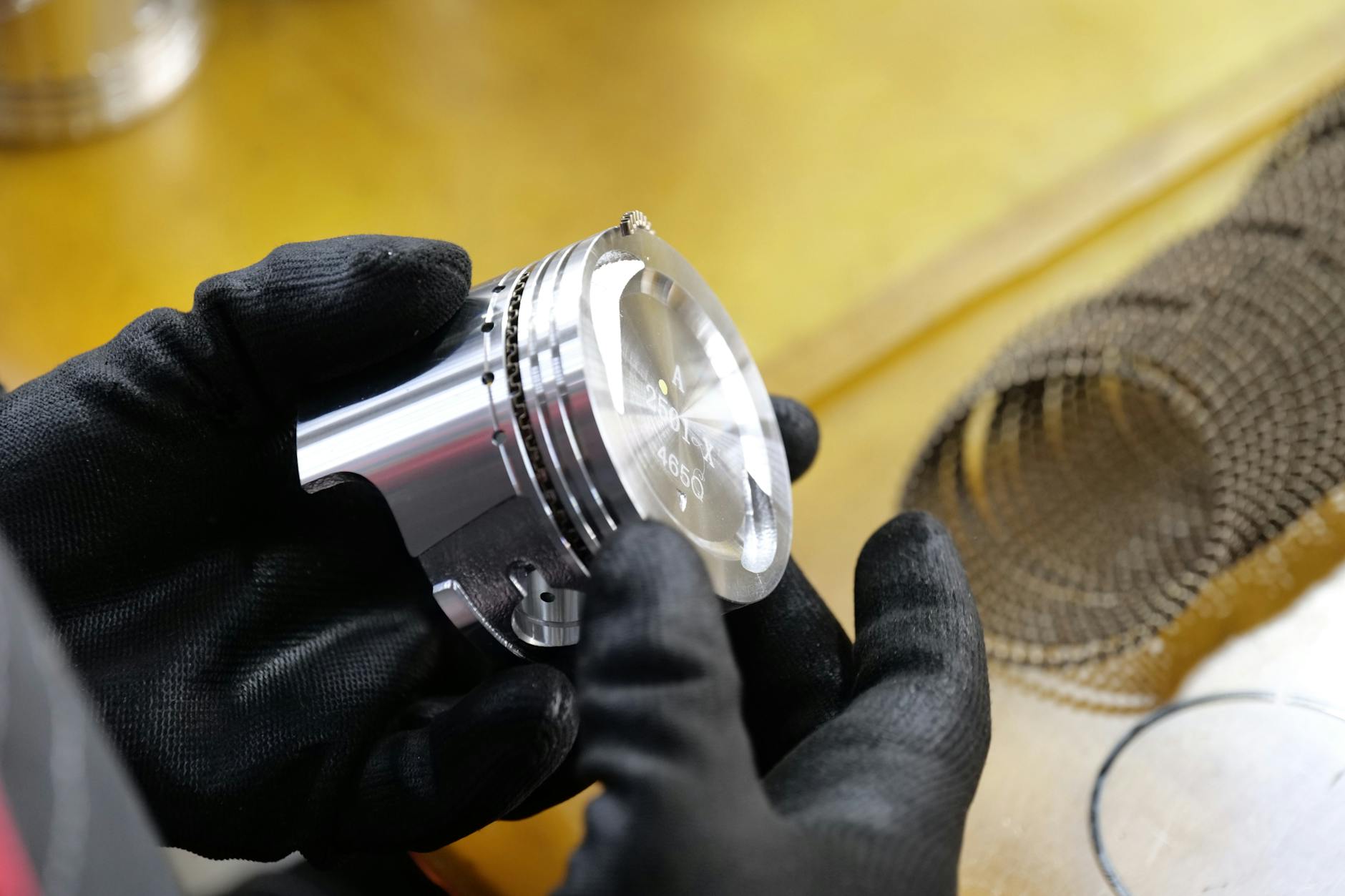
chrome Hearts distinguishes itself through uncompromising craftsmanship and design philosophy that prioritizes aesthetic vision over commercial accessibility. Each piece is meticulously handcrafted, often with intricate detailing that requires skilled artisanship—compare this to mass-produced luxury brands that rely on factories and automated processes. A Chrome Hearts cross pendant might involve hours of hand-finishing work, while a comparable piece from a conventional luxury house could be produced in a fraction of that time with different quality implications.
The brand’s commitment to American manufacturing (operations are based in Los Angeles) also sets it apart when many competitors have outsourced production to cut costs. The gothic, punk-influenced design language creates a visual distinction that’s instantly recognizable and impossible to dilute through brand extension. While Louis Vuitton releases handbags in every conceivable color and Cartier produces endless variations of classic designs, Chrome Hearts maintains a consistent visual identity built around crosses, daggers, floral motifs, and ornate detailing. This aesthetic coherence, combined with the brand’s willingness to collaborate with respected designers and brands on limited editions, creates a sense that each release feels intentional rather than calculated for sales.
How Celebrity Endorsement and Cultural Influence Drive Demand
Celebrity adoption has been organic rather than manufactured, which grants it tremendous credibility in an age of skepticism toward traditional advertising. When Bella Hadid or The Weeknd wear Chrome Hearts, it reads as authentic personal preference rather than a paid partnership, because Chrome Hearts has historically refused major endorsement deals. This authenticity gap—where the brand is perceived as too cool to desperately court celebrities—ironically makes the brand more desirable when celebrities do wear it.
The pieces become cultural signifiers of taste and insider knowledge. However, this organic celebrity adoption creates a significant limitation: the brand cannot easily scale to meet exploding demand without risking the loss of exclusivity that drives its appeal. Chrome Hearts has already experienced counterfeit flooding in secondary markets, with fake pieces trading at 20-30 percent of authentic prices, which threatens brand integrity. The waiting lists for popular items at official boutiques now stretch months, frustrating consumers and potentially creating an opening for competitors to capture customers who can’t access the brand through legitimate channels.
The Role of Limited Availability and Production Scarcity
Chrome Hearts’ commitment to scarcity is fundamental to understanding its current moment. The brand intentionally limits production runs, refuses to expand retail presence aggressively, and maintains a wait-list system for highly coveted pieces. This supply constraint is the opposite of how most luxury conglomerates operate—LVMH and Kering continuously expand distribution and increase production to maximize revenue. For Chrome Hearts, this restraint is both a marketing strategy and a design philosophy, born from founder Richard Stark’s genuine belief that luxury should be exclusive.
This scarcity model works because it converts FOMO (fear of missing out) into a powerful driver of desirability. A person who waits six months for a Chrome Hearts ring and finally acquires it experiences a psychological validation that purchasing an immediately available item from another brand cannot replicate. The secondary market reflects this dynamic: vintage Chrome Hearts pieces routinely sell for double or triple retail value, with certain collaborations fetching premium prices that rival rare watches or fine art. The limitation here is sustainability—as demand grows exponentially, either the brand must expand production (risking the dilution of its identity) or it must maintain scarcity and accept that it will disappoint the majority of people who desire its products.

Understanding the Luxury Jewelry Market Shift Toward Bold Design
The broader luxury jewelry market is moving away from precious metal simplicity toward statement-making, personality-driven pieces. This represents a fundamental departure from the minimalist aesthetic that dominated luxury for roughly two decades, when understated gold chains and diamond studs were considered the pinnacle of good taste. Chrome Hearts’ ornate crosses, chunky rings, and elaborate settings were seen as excessive during this period; today they’re positioned as refreshingly individualistic. This shift reflects younger consumers’ rejection of their parents’ approach to luxury consumption.
Where previous generations viewed luxury as a means of displaying wealth subtly, younger consumers view it as a vehicle for expressing identity and subcultural affiliation. Chrome Hearts pieces communicate membership in a specific aesthetic tribe—one that values craftsmanship, rebellion, and gothic romance. A comparison: a Cartier Love bracelet signals traditional wealth and established taste, while a Chrome Hearts cross necklace signals creative individuality and cultural awareness. Both are legitimate luxury positioning, but they appeal to fundamentally different consumer values.
Navigating Counterfeits and Authentication Challenges
The explosive growth of Chrome Hearts’ popularity has coincided with a surge in sophisticated counterfeit products. Many fakes are now difficult to distinguish from authentic pieces without expert examination, presenting a genuine risk to consumers who purchase outside official channels. Authentication typically requires examining craftsmanship details—weight, finishing quality, hallmark clarity, and construction techniques—that casual buyers cannot reliably assess. The counterfeit problem is severe enough that Chrome Hearts has struggled with unauthorized sellers on major platforms, and the secondary resale market is increasingly flooded with fakes.
A practical warning: purchasing Chrome Hearts from anyone other than official boutiques, the brand’s website, or highly reputable resellers carries significant risk. The price differential between genuine and counterfeit pieces is substantial enough that bad actors have invested in sophisticated reproduction methods. Additionally, Chrome Hearts has no formal authentication service or certificate program, which creates vulnerability. Consumers should be prepared to either pay premium markups through official channels or accept the risk when purchasing from secondary markets. This limitation affects pricing power and accessibility—the combination of scarcity plus authentication risk creates a barrier that benefits only existing owners and the brand itself.
The Impact of Strategic Brand Collaborations
Chrome Hearts has leveraged limited collaborations with respected designers and brands to maintain momentum and reach new audiences. Collaborations with Comme des Garçons, Yohji Yamamoto, and A.P.C. have introduced the brand to high-fashion audiences that might not otherwise engage with gothic jewelry aesthetics.
These collaborations are structured carefully to maintain Chrome Hearts’ integrity—they represent genuine design meetings between creative perspectives rather than opportunistic brand dilution. For example, the Chrome Hearts x Comme des Garçons leather goods collection expanded the brand beyond jewelry into accessories while maintaining the brand’s aesthetic coherence. These limited collaborations sell out immediately and trade at significant markups, creating a virtuous cycle where scarcity and desirability reinforce each other. The limitation is capacity—the brand can only execute so many collaborations before they lose exclusivity value.
Future Outlook and Sustainability of the Moment
The critical question facing Chrome Hearts is whether its current momentum represents a permanent shift in luxury jewelry preferences or a cyclical trend that will eventually recede. Historical precedent suggests that fashion-driven trends typically have lifecycles, though brands with genuine design philosophy (like Chrome Hearts) tend to have longer staying power than those built on marketing alone. The brand’s ability to maintain relevance will depend on disciplined restraint—refusing expansion pressures, continuing to produce exceptional craftsmanship, and resisting the urge to capitalize on momentum through brand extension or licensing deals that would dilute the core offering.
The industry is watching closely because Chrome Hearts represents a potential new blueprint for luxury: exclusivity through genuine production constraints rather than artificial scarcity, influence through refusal of traditional marketing, and desirability driven by uncompromising design quality. If this model proves sustainable, it may inspire other luxury brands to reconsider their growth-at-all-costs strategies. For now, Chrome Hearts’ moment appears sustainable precisely because the brand prioritizes moment-independence—it’s built to last regardless of whether this particular cultural window remains open.
Conclusion
Chrome Hearts is having a moment because it offers something increasingly rare in contemporary luxury: authentic exclusivity backed by exceptional craftsmanship, a distinctive design philosophy that cannot be easily replicated, and a brand positioning that feels immune to desperation. The convergence of cultural factors—celebrity adoption, a market shift toward bold design, consumer desire for authentic rather than manufactured luxury, and the brand’s own unwavering commitment to its principles—has created perfect conditions for sustained relevance. However, this moment is fragile, dependent entirely on the brand’s continued ability to resist expansion and maintain production standards.
For consumers considering entry into Chrome Hearts, understand that you’re purchasing into a specific aesthetic and cultural narrative, not simply acquiring a precious metal object. The brand’s current trajectory suggests the positioning will likely persist, but secondary market risks, authentication challenges, and accessibility constraints are real considerations. The next few years will reveal whether Chrome Hearts has achieved permanent cultural shift or whether it will eventually recede as consumer tastes evolve.
Frequently Asked Questions
How do I verify authentic Chrome Hearts pieces?
Purchase exclusively from official Chrome Hearts boutiques or their website. If buying secondhand, examine craftsmanship quality, weight, hallmark clarity, and construction techniques. The brand offers no formal authentication service, which creates significant secondary market risk.
Why are Chrome Hearts pieces so expensive compared to other jewelry brands?
Each piece is handcrafted by skilled artisans, American-manufactured, and produced in strictly limited quantities. The craftsmanship labor and deliberate scarcity command premium pricing compared to mass-produced luxury competitors.
Are Chrome Hearts pieces a good investment?
Certain pieces appreciate in secondary markets, particularly limited collaborations and discontinued designs. However, purchasing based on investment potential introduces speculative risk and incentivizes scarcity-driven market behavior that conflicts with the brand’s ethos.
How long is the wait for popular Chrome Hearts items?
Waitlists for highly coveted pieces currently stretch 3-6 months depending on the item and retail location. Some pieces remain unavailable through official channels and appear only in secondary markets.
What’s the difference between Chrome Hearts and other luxury jewelry brands?
Chrome Hearts prioritizes design distinctiveness, uncompromising craftsmanship, and scarcity over growth. Competitors typically maximize distribution and production to increase revenue, while Chrome Hearts constrains supply to maintain exclusivity.
Is Chrome Hearts considered fine jewelry or fashion jewelry?
Chrome Hearts operates in the luxury jewelry category, but its positioning is distinct from traditional fine jewelry. The pieces contain precious metals but prioritize design boldness and cultural relevance alongside material value.