

Styling essentials like a pro comes down to one discipline: building a core collection of versatile, high-quality pieces and learning how to layer, mix, and rotate them so that every outfit feels intentional rather than overdone. For jewelry specifically, this means anchoring your wardrobe around a few well-chosen gold or platinum staples — a simple chain, a pair of stud earrings, a clean signet or band ring — and treating everything else as supporting cast. A woman in Manhattan might own three hundred accessories but reach for the same 18k gold huggies and a fine-link necklace five days out of seven, because those pieces work with silk blouses, cashmere sweaters, and plain white t-shirts without competing for attention.
This article walks through the practical mechanics of building that kind of foundation, from choosing metals that suit your skin tone to understanding when minimalism crosses the line into looking unfinished. We will cover the specific pieces that earn their place in a daily rotation, how to mix metals without looking accidental, the role that proportion plays in pulling an outfit together, and the common mistakes that separate a curated look from a cluttered one. Whether you are investing in fine jewelry for the first time or editing a collection that has grown unwieldy, these principles apply across budgets and personal styles.
Table of Contents
- What Are the Must-Have Jewelry Essentials Every Wardrobe Needs?
- How Metal Choice Shapes Your Entire Styling Strategy
- The Role of Proportion and Scale in Everyday Styling
- Building a Capsule Jewelry Collection on Any Budget
- Common Styling Mistakes That Undermine an Otherwise Strong Look
- Transitioning Jewelry From Day to Night Without a Complete Change
- Where Jewelry Styling Is Headed
- Conclusion
- Frequently Asked Questions
What Are the Must-Have Jewelry Essentials Every Wardrobe Needs?
The foundation of any well-styled jewelry collection rests on five categories: a versatile chain necklace, a pair of everyday earrings, a signature ring, a functional bracelet or watch, and one statement piece reserved for occasions that call for it. The chain necklace should be simple enough to layer but substantial enough to stand alone — think a 16- to 18-inch cable or box chain in 14k or 18k gold, or in sterling silver if that suits your aesthetic. Stud earrings in diamond, sapphire, or plain gold sit close to the ear and pair with virtually anything, which is why they tend to be the most-worn item in any collection. The signature ring is worth more thought than most people give it.
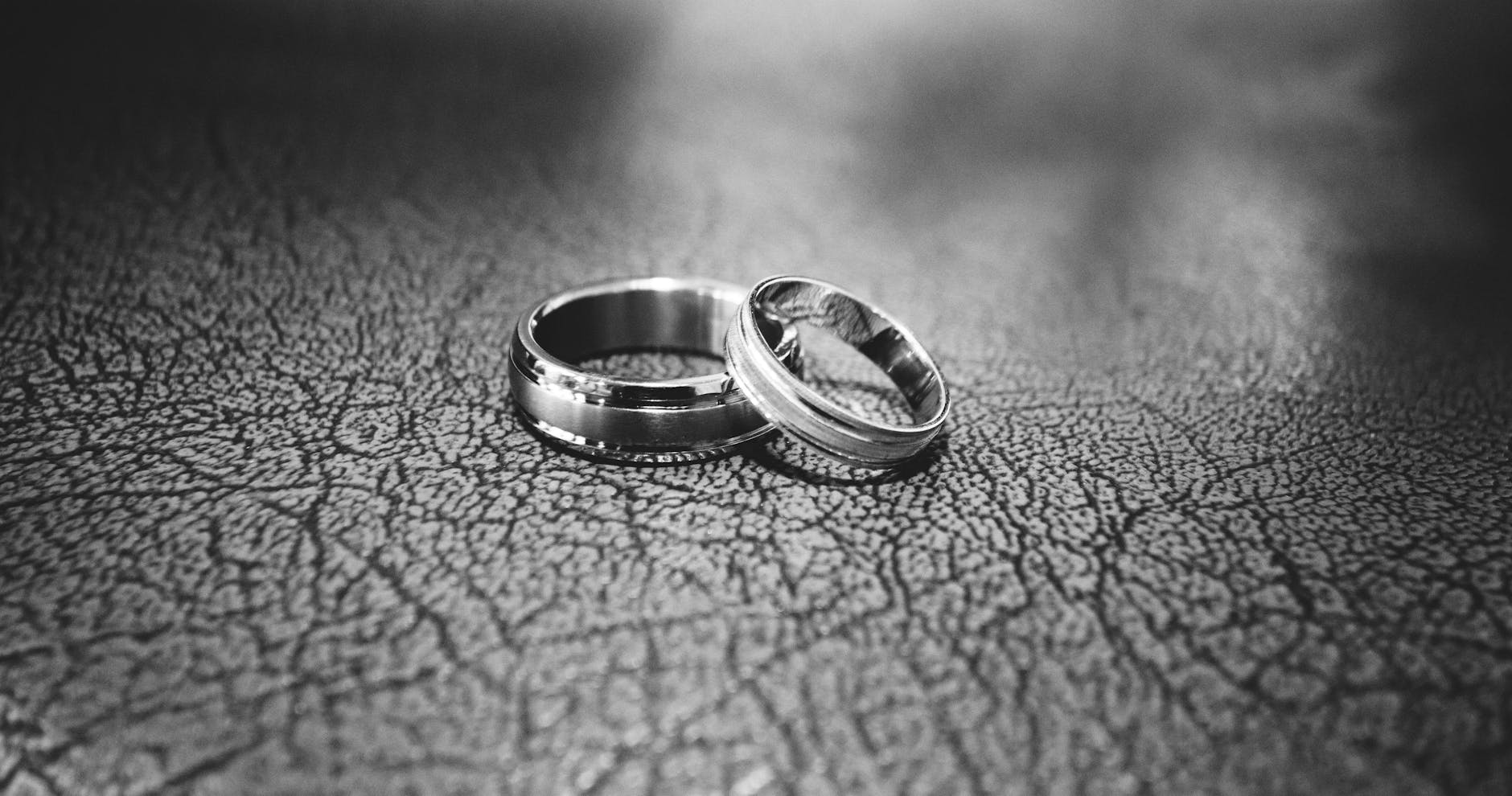
A flat-top signet, a polished dome ring, or a tapered band gives your hands a finished quality without the visual noise of cocktail rings. Compare a thin stackable ring, which can look lost on larger hands, to a medium-width gold band that reads confidently from across a table. Neither is wrong, but the band is more likely to function as a genuine everyday essential because it holds its own in more settings. The bracelet slot is often best filled by a quality watch or a solid bangle — something you put on in the morning and forget about until evening.

How Metal Choice Shapes Your Entire Styling Strategy
The metal you choose as your dominant base sets the color temperature for everything else in your wardrobe. Yellow gold runs warm and pairs naturally with earth tones, olive and deeper skin tones, and fabrics like camel wool and cream silk. white gold and platinum lean cool, complementing navy, black, grey, and jewel tones, and they tend to flatter lighter and pink-undertoned complexions. Rose gold sits in the middle and has surged in popularity precisely because of its versatility, though it can read trendy rather than timeless depending on the design.
However, if you have spent years collecting yellow gold and your wardrobe skews cool-toned, do not abandon your collection. The modern approach is to wear your dominant metal at roughly 70 percent of your visible jewelry and let the remaining 30 percent be a contrasting metal. A woman wearing a yellow gold chain with white gold stud earrings looks intentional. A woman wearing yellow gold on one wrist, white gold on the other, rose gold at her neck, and silver on her fingers looks like she got dressed at a flea market. The limitation here is that mixing works best when one metal clearly dominates and the secondary metal appears in smaller, more understated pieces.
The Role of Proportion and Scale in Everyday Styling
Proportion is the invisible rule that separates people who look polished from people who look like they tried too hard. The principle is straightforward: the scale of your jewelry should relate to the scale of your frame and your clothing. A petite woman in a fitted crewneck looks overwhelmed by a chunky Cuban link chain but perfectly balanced with a delicate pendant on a fine chain. Conversely, a tall woman in an oversized blazer can carry a bold gold cuff and a thicker herringbone necklace without it reading as costume jewelry.
Consider the neckline as your primary guide. V-necks and scoop necks create open space that invites a pendant or a layered necklace arrangement. High necklines and turtlenecks push attention to the ears and wrists, making statement earrings or a stack of bangles the better move. A crew neck sits in the middle and works with either a shorter choker-length piece or a longer pendant that drops below the fabric line. One specific example: pairing a 24-inch lariat necklace with a deep V-neck blouse creates a long vertical line that elongates the torso, which is why this combination appears so frequently in editorial styling for fashion magazines.

Building a Capsule Jewelry Collection on Any Budget
The tradeoff in building a jewelry capsule is always between quality and quantity, and the answer depends on how patient you are. Buying fewer, better pieces means each purchase carries more weight in your daily rotation, but it also means living with gaps in your collection while you save for the next addition. Buying more affordable pieces lets you experiment with styles and trends, but lower-karat gold or gold-plated items will tarnish, wear, and eventually need replacing, which means your long-term cost may be higher than if you had invested upfront.
A practical middle path is to invest in the pieces that touch your skin daily — earrings and rings, which face the most exposure to moisture, soap, and friction — and save on pieces where wear is less punishing, such as brooches or pins worn on fabric. A pair of solid 14k gold huggie earrings at around $300 to $600 will last decades with minimal care. A gold-vermeil chain necklace at $80 can serve well for a year or two before the plating shows wear, at which point you either replace it or upgrade to solid gold once your budget allows. The comparison matters because a $400 total spend on five gold-plated pieces gives you variety now but nothing lasting, while that same $400 on one solid gold piece gives you a genuine heirloom that appreciates in both sentimental and material value.
Common Styling Mistakes That Undermine an Otherwise Strong Look
The most frequent mistake is over-layering without a visual anchor. Stacking five necklaces of similar length and weight creates a tangled mass rather than an intentional cascade. Effective layering requires variation in chain length (typically 16, 18, and 22 inches), variation in chain thickness, and ideally a focal point on just one of the layers — a pendant, a gemstone, or a unique link style. If every layer is competing for attention equally, none of them wins. Another common error is ignoring the condition of your pieces.
Tarnished silver, scratched gemstones, and stretched-out chain links make even expensive jewelry look cheap. This is a limitation that many people overlook: fine jewelry requires maintenance. Gold should be cleaned with warm water and mild soap every few weeks. Sterling silver benefits from an anti-tarnish cloth stored alongside it. Platinum, while highly durable, still scratches and develops a patina that some people love and others need a jeweler to polish away. If you are not willing to maintain a piece, it will eventually detract from your look rather than enhance it, regardless of what you paid for it.
Transitioning Jewelry From Day to Night Without a Complete Change
The fastest way to shift your look from daytime to evening is to add one piece rather than swap everything. If your daily essentials are gold studs, a simple chain, and a ring, adding a pair of drop earrings in place of the studs — or layering a second, bolder necklace over your existing chain — creates enough visual shift to suit a dinner or event without starting from scratch.
A woman leaving her office for a restaurant might simply swap her 6mm pearl studs for gold chandelier earrings and add a cocktail ring to her opposite hand. Three seconds, two pieces, and the entire energy of the outfit changes.
Where Jewelry Styling Is Headed
The trend toward permanence and personalization continues to accelerate. Permanent jewelry — welded bracelets and anklets that have no clasp and are worn continuously — has moved from a niche curiosity to a mainstream offering at fine jewelers, reflecting a broader desire for pieces that feel like part of the body rather than an accessory chosen that morning.
Custom signet rings engraved with initials, coordinates, or family crests have likewise surged, driven by a generation that values uniqueness over brand logos. The future of essential styling is not about owning more but about owning pieces that carry genuine personal meaning and are built to last long enough to pass forward.
Conclusion
Styling essentials well requires restraint more than it requires money. The core principles are consistent: choose a dominant metal, invest in a small number of versatile pieces scaled to your frame, maintain them properly, and resist the urge to add layers or accessories that do not serve a clear purpose. Every piece in your daily rotation should be able to answer the question “why this and not something else” with a specific reason — it fits your face shape, it complements your most-worn necklines, it layers cleanly with your chain, or it simply makes you feel like yourself. The next step is honest inventory.
Pull everything out, lay it on a flat surface, and separate the pieces you reach for weekly from those gathering dust. The daily-wear pile is your real collection. Everything else is either sentimental, seasonal, or clutter. Once you see what you actually use, the gaps become obvious, and filling them with intention rather than impulse is what turns a jewelry box into a wardrobe.
Frequently Asked Questions
How many pieces of jewelry should you wear at once?
There is no universal number, but a reliable guideline is three to five visible pieces at a time. This typically means earrings, a necklace, a ring, and optionally a bracelet or watch. Beyond five, most people start to look busy rather than styled, though editorial and evening contexts can support more.
Can you mix gold and silver jewelry?
Yes, but do it with intention. Designate one metal as dominant (roughly 70 percent of what is visible) and use the other as an accent in smaller pieces. Wearing equal amounts of each tends to look indecisive rather than fashion-forward.
Is it worth investing in solid gold over gold-plated jewelry?
For pieces you wear daily, solid gold (14k or 18k) is almost always the better long-term value. Gold plating wears off within one to three years with regular use, while solid gold lasts indefinitely. For trend-driven or occasional pieces, gold-plated or vermeil offers a reasonable compromise.
How do you choose a necklace length?
Match it to your most common necklines. Sixteen inches sits at the collarbone and works with crew and boat necks. Eighteen inches falls just below and is the most universally flattering. Twenty to twenty-four inches pairs well with V-necks and button-downs. Measure with a string against your favorite tops before buying.
What is the best everyday earring style?
Small huggies or stud earrings in gold or platinum are the most versatile. They sit close to the ear, work across casual and professional settings, and rarely interfere with hair, phones, or pillows. Hoops are a close second but can feel heavy or distracting above 20mm diameter for daily wear.