

The best Bape alternatives that deliver genuine streetwear credibility without the four-hundred-dollar price tag include Stussy, Palace Skateboards, Billionaire Boys Club, and Kappa. A Stussy hoodie runs roughly $100 to $175, while a Bape Shark Full Zip Hoodie commands $400 to $600 or more at retail, and logo-patch hoodies have been listed as high as $899 on Farfetch. That gap is wide enough to make anyone reconsider brand loyalty.
This matters because A Bathing Ape, founded in 1993 by Nigo in Ura-Harajuku, Tokyo, built its reputation on limited runs and loud camo prints long before streetwear became a mainstream retail category. But since the brand was sold to Hong Kong fashion conglomerate I.T Group in February 2011 and Nigo departed in 2013, the label has leaned heavily on collaborations and nostalgia. For buyers who want the energy without the markup, several brands offer comparable design language at a fraction of the cost. This article breaks down the strongest alternatives by price, aesthetic, and cultural pedigree, including one brand founded by Nigo himself after leaving Bape.
Table of Contents
- What Makes a Bape Alternative Worth Buying?
- Budget-Friendly Streetwear That Still Turns Heads
- Palace Skateboards and the UK Streetwear Angle
- How Stussy Compares to Bape on Price and Longevity
- The Nigo Connection — Human Made and What It Signals
- Carhartt WIP — Workwear Meets Street Credibility
- Where Streetwear Pricing Is Headed
- Conclusion
- Frequently Asked Questions
What Makes a Bape Alternative Worth Buying?
Not every brand slapping bold graphics on a hoodie qualifies as a real bape alternative. What made Bape distinctive was the intersection of Japanese craftsmanship, limited availability, and a visual identity rooted in pop culture. The brand’s full name, “A Bathing Ape in Lukewarm Water,” referenced the 1968 film Planet of the Apes and carried a satirical edge about consumer complacency. A genuine alternative needs to offer more than just a lower price. It needs cultural roots, consistent design vision, and some degree of community around it. Billionaire Boys Club checks nearly every box.
Founded in 2003 by Pharrell Williams and Nigo himself, BBC shares literal DNA with Bape. The vibrant colors, graphic prints, and playful motifs come from the same creative lineage, and hoodies retail between $100 and $215. That is less than half what a comparable Bape piece costs. The ICECREAM sub-label adds another layer for collectors who want variety without switching brand ecosystems entirely. The trap to avoid is chasing hype for its own sake. A hoodie from an unknown brand that mimics Bape’s shark face zipper design is a knockoff, not an alternative. The brands worth considering have their own identity and simply occupy overlapping aesthetic territory.

Budget-Friendly Streetwear That Still Turns Heads
Kappa is the most wallet-friendly option on this list, with pieces generally ranging from $30 to $150. Founded in 1967 in Turin, Italy, the brand brings bold branding and color-blocking that captures similar head-turning energy to Bape. Its Omni logo tracksuit became a streetwear staple in its own right during the late 2010s revival, and the Italian heritage gives it a legitimacy that pure hype brands cannot replicate. Diamond Supply Co., founded in 1998 in San Francisco, offers another affordable path.
The West Coast label keeps things more understated than Bape while maintaining street credibility through crisp graphics and a laid-back vibe. If your goal is to build a full rotation of streetwear pieces rather than spending your entire budget on a single hoodie, Diamond Supply’s pricing makes that realistic. However, if you are specifically looking for the loud, all-over-print maximalism that defines Bape’s shark hoodies and camo collections, neither Kappa nor Diamond Supply will scratch that itch. Their design language is cleaner and more restrained. Buyers who want that visual intensity at a lower price point should look at Palace or BBC instead.
Palace Skateboards and the UK Streetwear Angle
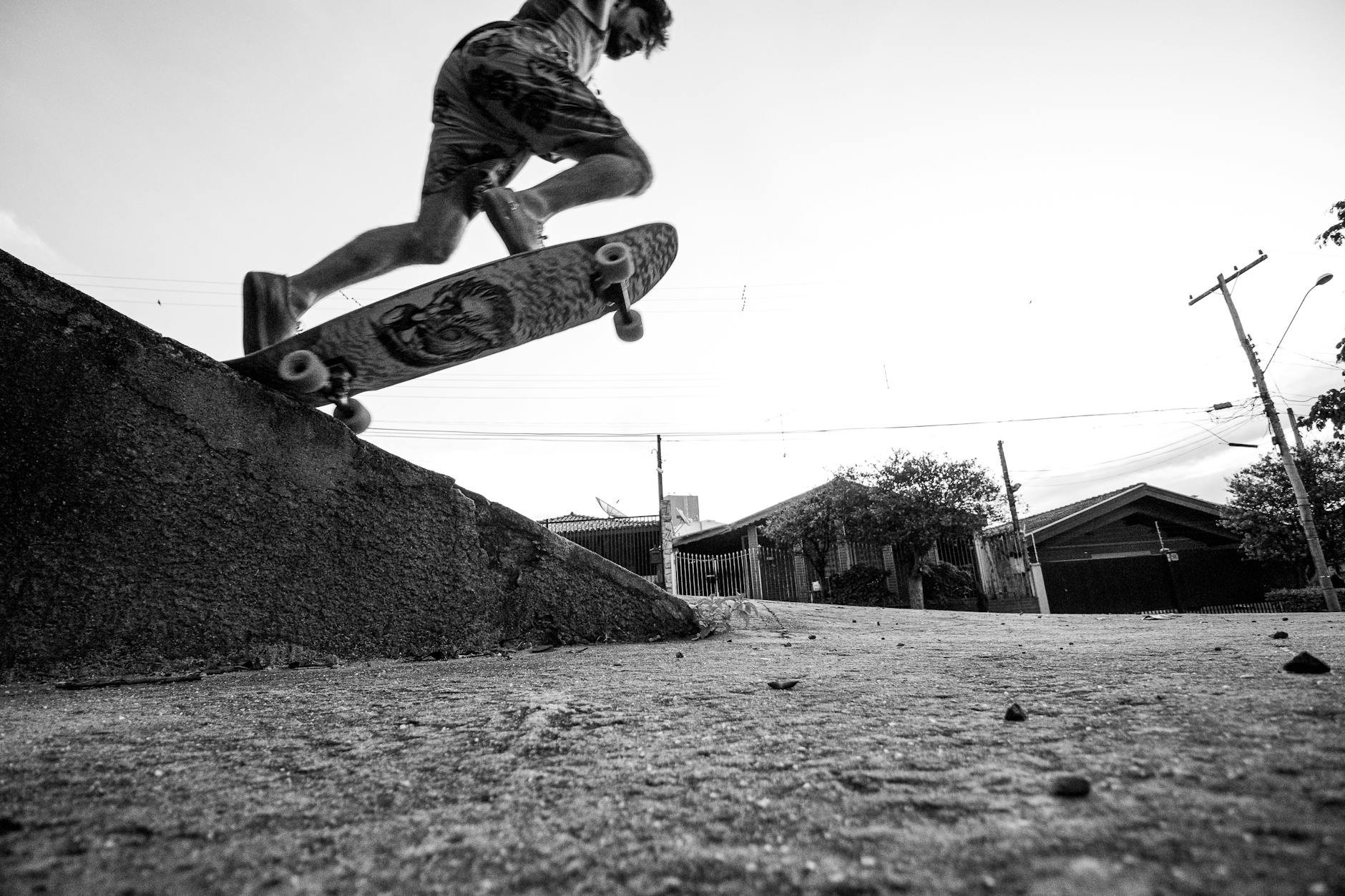
Palace Skateboards, founded in 2009 in London, brings a different cultural lineage to the table. Rooted in 1990s skate culture and vintage sportswear aesthetics, the brand operates with a hype model similar to Bape, with limited drops and a dedicated following, but at a substantially more accessible price range of $50 to $250. A Palace hoodie at the top of that range still costs less than a mid-tier Bape piece. What Palace does exceptionally well is blend irreverent humor with genuine design skill.
The Tri-Ferg logo has become one of the most recognizable symbols in contemporary streetwear, and the brand’s collaborations with adidas and Ralph Lauren have given it crossover appeal that Bape’s more niche aesthetic sometimes lacks. For someone in the precious metals or luxury goods world who wants streetwear that signals taste without looking like a walking billboard, Palace threads that needle effectively. The brand’s skate roots also give it a durability advantage. These pieces are designed to be worn hard, not displayed on shelves. That practical toughness translates to better cost-per-wear math over time.
How Stussy Compares to Bape on Price and Longevity
Stussy is the elder statesman of this comparison. Founded in 1980 in Laguna Beach, California, the brand predates Bape by thirteen years and helped define the streetwear category before it had a name. Shawn Stussy started by selling hand-shaped surfboards with his signature scrawl, and that same logo is still the brand’s cornerstone more than four decades later. Few streetwear labels can claim that kind of continuity. In terms of pricing, Stussy hoodies sit in the $100 to $175 range. The Worldwide Diamond Hoodie line from Spring/Summer 2025 exemplifies the brand’s approach: bold graphics, quality construction, and pricing that does not require a payment plan.
Compared to Bape’s $400-plus hoodies, Stussy delivers a similar level of recognition and respect in streetwear circles at roughly one-third the cost. The tradeoff is subtlety. Stussy’s aesthetic is more understated than Bape’s. You will not find full-zip shark faces or all-over camo prints in Stussy’s lineup. If the entire appeal of Bape for you is the loudness, Stussy might feel too quiet. But if you value heritage and clean execution, Stussy arguably outperforms Bape on both counts.
The Nigo Connection — Human Made and What It Signals
Human Made, founded in 2010 by Nigo and Sk8thing after Nigo’s departure from Bape, represents the most philosophically interesting alternative on this list. Rather than recreating Bape’s formula, Nigo went in a different direction entirely, blending vintage Americana with Japanese streetwear sensibilities. The brand favors local production in Japan, a deliberate contrast to Bape’s shift toward manufacturing in China under I.T Group’s ownership. Human Made targets a more mature audience. The designs are detail-rich but not loud in the way Bape’s signature pieces are.
Think varsity jackets with meticulous embroidery, duck-logo tees with a retro workwear feel, and denim that references mid-century American manufacturing. The pricing sits at a premium level, sometimes comparable to Bape itself, so this is not a budget alternative. It is a taste alternative. The warning here is straightforward: if you are drawn to Human Made because of Nigo’s name, expecting Bape aesthetics will leave you disappointed. This brand exists precisely because Nigo wanted to do something different. Treat it as a separate entity that happens to share a creator, not as Bape under a different label.

Carhartt WIP — Workwear Meets Street Credibility
Carhartt WIP, the Work In Progress line that adapted classic American workwear for European streetwear audiences, occupies a unique space in this conversation. The Detroit Jacket is among its most popular pieces and has become a uniform of sorts in certain creative circles.
Pricing is generally more affordable than Bape, and the utilitarian design language appeals to buyers who want durability and style without overt branding. This is the pick for anyone who finds Bape’s maximalism exhausting but still wants pieces that register as intentional within streetwear contexts. A Carhartt WIP chore coat paired with clean sneakers communicates taste in a way that a logo-heavy hoodie sometimes cannot.
Where Streetwear Pricing Is Headed
The streetwear market in 2025 and 2026 has been shifting toward what industry observers call quiet luxury, a preference for premium, underground labels over pure hype branding. Bape’s signature shark hoodies and camo prints have seen a resurgence in demand driven by online sales and high-profile collaborations with KidSuper, WWE, Central Cee’s Syna World, and adidas, but the broader consumer trend favors restraint.
For buyers tracking this space, the implication is that brands like Stussy, Carhartt WIP, and Human Made may appreciate in cultural cachet over the coming years while Bape’s pricing continues to climb. Spending less now on alternatives with strong fundamentals is not just a budget decision. It may also be a better long-term bet on where streetwear taste is moving.
Conclusion
The gap between Bape’s retail pricing and the quality available from alternatives like Stussy, Palace, Billionaire Boys Club, and Kappa is significant enough to warrant serious consideration before buying. A Stussy hoodie at $150 and a Bape Shark Full Zip at $500 do not represent a three-hundred-dollar difference in materials or construction. Much of that premium is brand tax, and the alternatives covered here carry their own cultural weight. The right choice depends on what you actually want from streetwear.
If loudness and all-over prints are the goal, BBC and Palace get closest to Bape’s energy. If heritage and clean design matter more, Stussy and Carhartt WIP are stronger picks. And if you want the mind behind Bape without the brand itself, Human Made is exactly that. Whatever direction you choose, there is no reason to overpay for a hoodie when credible alternatives exist at every price point below Bape’s.
Frequently Asked Questions
Is Bape still worth the price in 2026?
It depends on your priorities. Bape’s collaborations with adidas and other partners have kept the brand relevant, and resale values on limited pieces remain strong. But for everyday wear, the retail pricing of $400 to $900 for hoodies is difficult to justify on quality alone when brands like Stussy and BBC offer comparable construction at a fraction of the cost.
Which Bape alternative is closest in style?
Billionaire Boys Club is the closest match. Co-founded by Nigo, the same designer who created Bape, BBC shares the vibrant colors, graphic prints, and playful motifs that define Bape’s visual identity. Hoodies retail between $100 and $215.
Are Bape alternatives good for resale value?
Some are. Palace Skateboards and Stussy limited drops can appreciate on the secondary market, though neither matches Bape’s resale premiums on signature pieces like the Shark Hoodie. If resale value is your primary concern, Bape itself remains the stronger bet in that specific category.
What is the cheapest Bape alternative that still has street credibility?
Kappa, with pieces ranging from $30 to $150, is the most budget-friendly brand on this list that maintains genuine streetwear recognition. The brand’s Italian heritage and bold branding give it legitimacy that cheaper fast-fashion imitators lack.
Is Human Made a cheaper version of Bape?
No. Human Made, founded by Nigo in 2010, carries premium pricing and a completely different aesthetic focused on vintage Americana and Japanese craftsmanship. It is not a budget alternative but rather a different creative direction from the same designer. It also favors local Japanese production rather than Bape’s China-based manufacturing.