

Supreme is having a moment because the streetwear brand has successfully positioned itself at the intersection of luxury collectibility and cultural cachet, creating a secondary market where rare pieces appreciate like alternative assets. The brand’s deliberate scarcity model, combined with a string of high-profile collaborations and its recent acquisition by EssilorLuxottica, has elevated Supreme from a downtown skate shop into a legitimate store of value that collectors treat with the same seriousness as vintage watches or limited-edition jewelry. A 2017 Louis Vuitton x Supreme box logo hoodie, which retailed for approximately $500, now commands prices exceeding $15,000 on resale platforms””a return that outpaces most traditional investments over the same period.
This shift reflects a broader evolution in how younger generations think about luxury and value retention. Unlike traditional status symbols that depreciate the moment they leave the store, Supreme’s most coveted items gain value over time, functioning more like precious metals than apparel. The brand’s cultural relevance, combined with verifiable scarcity and authentication infrastructure, has created a collecting ecosystem that mirrors fine jewelry and rare coins. This article examines the factors driving Supreme’s current momentum, including its scarcity economics, crossover appeal with traditional luxury, the role of authentication in building trust, and what collectors should understand before treating streetwear as an investment-grade asset class.
Table of Contents
- What Is Driving Supreme’s Resurgence in the Luxury Market?
- The Economics of Manufactured Scarcity in Supreme’s Model
- How Authentication Infrastructure Has Transformed Supreme Collecting
- Supreme Collaborations and Their Role in Cross-Market Appeal
- Understanding the Risks of Treating Streetwear as an Investment
- Storage, Insurance, and Preservation for Valuable Streetwear
- What the Future Holds for Supreme’s Market Position
- Conclusion
What Is Driving Supreme’s Resurgence in the Luxury Market?
supreme‘s current cultural moment stems from a convergence of factors that have transformed the brand from niche streetwear into a recognized alternative asset class. The 2020 acquisition by VF Corporation for $2.1 billion legitimized Supreme in the eyes of institutional investors and traditional luxury observers. More recently, EssilorLuxottica’s purchase of the brand signals an intention to position Supreme alongside legacy luxury houses rather than fast-fashion competitors. These corporate moves have provided validation that the secondary market had already established: Supreme pieces hold and appreciate in value. The brand’s drop model creates artificial scarcity that mirrors the economics of precious metals and limited jewelry runs. Each Thursday release features strictly limited quantities, and once items sell out, they never return to production.
This manufacturing discipline prevents the market flooding that destroys value in traditional fashion. A Supreme Tiffany & Co. collaboration from 2021, which paired the streetwear brand with a 184-year-old jeweler, demonstrated how seriously the luxury establishment now takes these partnerships. The sterling silver return to Tiffany box, originally priced around $500, trades for multiples of that figure today. Cultural endorsement has reinforced financial performance. When prominent collectors display Supreme pieces alongside Rolex watches and Cartier jewelry, they communicate that streetwear belongs in the same conversation as traditional luxury goods. This cross-pollination has introduced Supreme to demographics that would never have encountered it through skateboarding culture alone.
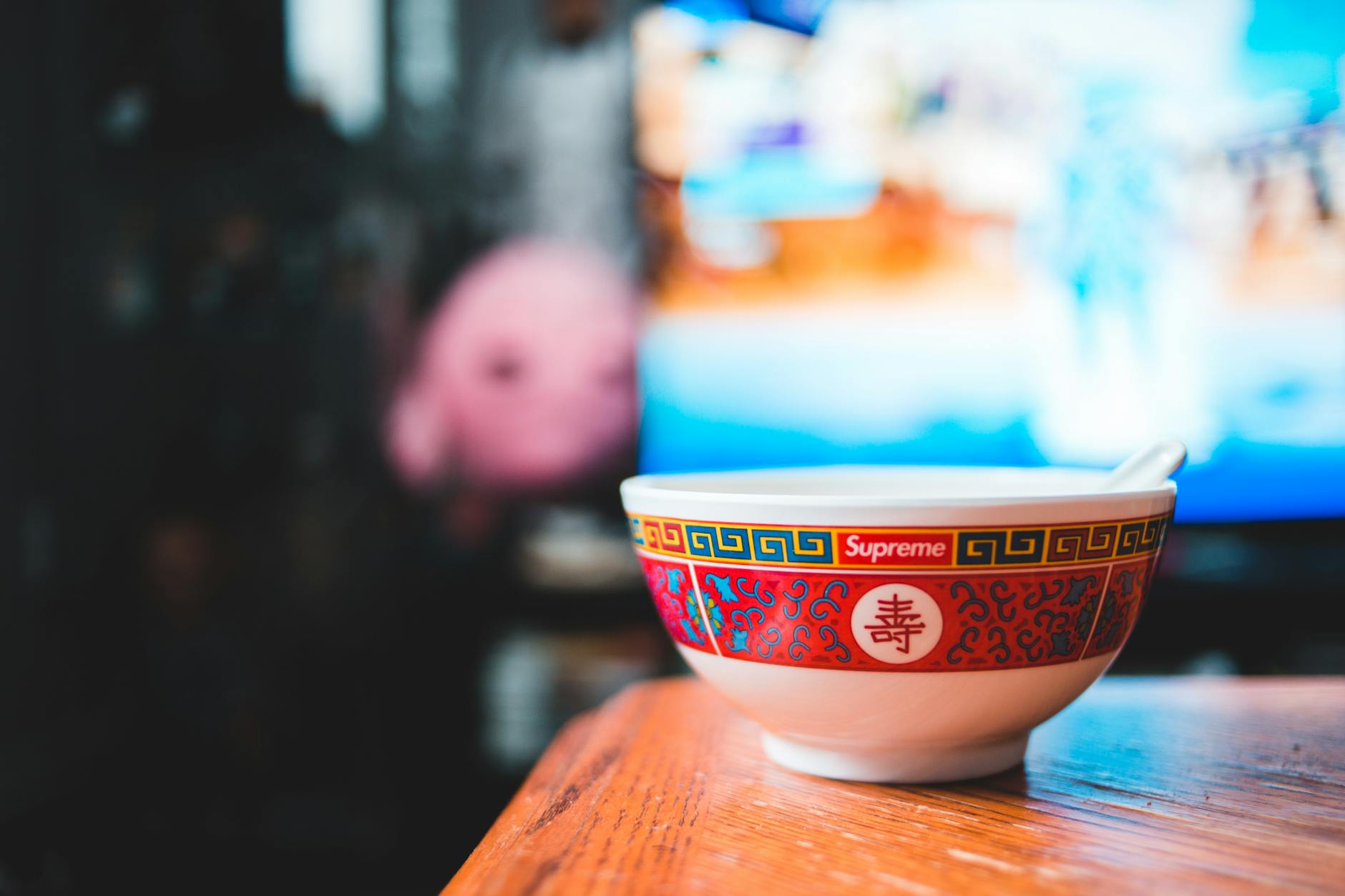
The Economics of Manufactured Scarcity in Supreme’s Model
Supreme’s value proposition rests on the same fundamental principle that supports precious metals: limited supply against sustained demand. The brand produces deliberately small quantities, typically measured in the hundreds rather than thousands for any given item. Unlike gold or silver, which have naturally constrained supplies, Supreme’s scarcity is manufactured””but the market treats it with similar respect because the brand has maintained production discipline for over three decades without exception. This model creates predictable appreciation curves for certain item categories. Box logo hoodies and tees, collaborative pieces with heritage brands, and accessories with unusual materials consistently outperform the broader Supreme catalog on resale.
Data from StockX shows that box logo items average a 400% premium over original retail within five years of release, though this figure skews heavily toward colorways and sizes that intersect with peak demand. A size medium in a neutral color will significantly outperform an XXL in an unpopular shade. However, not all Supreme items appreciate. The brand releases hundreds of products annually, and perhaps 10-15% will ultimately trade above retail in the secondary market. The remaining pieces follow traditional fashion depreciation, losing value as they age and show wear. Collectors treating Supreme as an investment vehicle must understand this distinction: the brand produces collectibles and clothing, and only one category functions as an asset.
How Authentication Infrastructure Has Transformed Supreme Collecting
The development of professional authentication services has been essential to Supreme’s emergence as a serious collectible category. Companies like Entrupy and CheckCheck use machine learning and physical verification to distinguish genuine pieces from counterfeits, which have proliferated as values increased. This infrastructure mirrors the certification ecosystem around precious metals and gemstones, where third-party verification creates the trust necessary for secondary market transactions. Supreme counterfeits have reached sophisticated levels, with some reproductions nearly indistinguishable from authentic pieces to untrained observers. High-value transactions now routinely include authentication fees, just as significant jewelry purchases include appraisal costs.
StockX, GOAT, and similar platforms have built authentication into their transaction flow, absorbing these costs into their commission structure and creating confidence for buyers who never physically inspect merchandise before purchase. This verification layer has professionalized the market considerably. A decade ago, Supreme collecting operated through forums, in-person meetups, and significant trust between parties. Today, the infrastructure supporting five-figure streetwear transactions rivals what exists for fine watches and vintage jewelry. The parallel development is not coincidental””many collectors participate in both markets and expect comparable protection regardless of what they’re purchasing.

Supreme Collaborations and Their Role in Cross-Market Appeal
Supreme’s collaboration strategy has systematically introduced the brand to traditional luxury consumers while maintaining credibility with its original streetwear audience. The 2017 Louis Vuitton partnership represented a pivotal moment, marking the first time a heritage fashion house treated a streetwear brand as an equal creative partner rather than a trend to reference or appropriate. The collection sold out instantly and appreciated dramatically, with some pieces now valued at twenty to thirty times their original retail prices. Subsequent collaborations have reinforced this positioning. Partnerships with Tiffany & Co., Swarovski, and Jacob & Co. have directly connected Supreme to the jewelry and precious metals market.
The Tiffany collaboration included sterling silver items””heart tags, key rings, and pearl necklaces””that function simultaneously as Supreme collectibles and genuine precious metal pieces. For collectors who view their acquisitions through the lens of material value, these items offer both cultural cachet and intrinsic worth in ways that fabric-based pieces cannot. The Jacob & Co. timepiece collaboration, announced in 2024, represents perhaps the clearest signal of Supreme’s luxury ambitions. Jacob & Co. produces watches that compete at the highest end of horology, with prices reaching six figures. Lending their watchmaking expertise to Supreme acknowledges that the streetwear brand’s audience includes collectors capable of serious expenditure””and expects pieces that reward that investment.
Understanding the Risks of Treating Streetwear as an Investment
Despite compelling appreciation data for premium Supreme pieces, collectors must recognize meaningful differences between streetwear and traditional stores of value. Gold maintains purchasing power across centuries because its utility extends beyond decoration””industrial applications, monetary history, and universal recognition support its floor price. Supreme’s value derives entirely from cultural relevance, which can shift unpredictably. A brand that resonates with collectors today may lose relevance within a generation. Condition sensitivity presents another significant limitation. Precious metals can be melted and recast; diamonds cleaned and reset.
A Supreme hoodie with staining, fading, or structural wear loses value that cannot be recovered. Storage requirements include climate control, light protection, and pest prevention””maintenance costs that erode returns and require ongoing attention. Collectors coming from jewelry or coins must adjust their expectations around handling and display. Market liquidity also differs substantially. A gold coin can be sold within hours through any number of established channels at prices close to spot. A Supreme piece may sit on consignment for weeks or months awaiting a buyer willing to meet the asking price. During market downturns or periods of reduced interest, streetwear liquidity can contract sharply, leaving collectors holding illiquid positions they cannot exit at acceptable prices.

Storage, Insurance, and Preservation for Valuable Streetwear
Serious Supreme collectors have adopted practices from traditional collectibles markets, including professional storage and dedicated insurance coverage. High-value pieces often reside in climate-controlled facilities alongside wine, art, and other condition-sensitive assets. Standard homeowner’s insurance typically excludes or caps collectible streetwear, requiring riders or specialized policies that add cost and complexity.
The emergence of streetwear-focused storage and insurance products reflects the market’s maturation. Companies now offer vault services specifically designed for textile collectibles, with temperature and humidity control that prevents the degradation common to household storage. These services position themselves as the equivalent of safe deposit boxes for non-traditional assets, charging annual fees that collectors must factor into their return calculations.
What the Future Holds for Supreme’s Market Position
Supreme’s acquisition by EssilorLuxottica suggests a future with expanded production and broader distribution””changes that could dilute the scarcity supporting current valuations. However, the acquiring company has extensive experience managing luxury portfolios that depend on perceived exclusivity, including Ray-Ban and Oakley. The more likely scenario involves geographic expansion into underpenetrated markets rather than increased production for existing channels.
For collectors, this corporate transition represents both opportunity and risk. Pieces produced before the acquisition may carry premiums as artifacts of an independent era, similar to how Rolex produced under different ownership structures commands collector interest. Alternatively, expanded marketing and distribution could introduce Supreme to new audiences, increasing demand for vintage pieces. The market will determine which outcome materializes, but collectors should establish positions with awareness that significant structural changes are underway.
Conclusion
Supreme’s current moment reflects genuine economic fundamentals rather than mere hype: manufactured scarcity, robust authentication infrastructure, and corporate validation have transformed select pieces into alternative assets that merit serious consideration from collectors. The appreciation data for premium items””box logos, heritage collaborations, and precious metal accessories””demonstrates returns competitive with traditional collectible categories over comparable time horizons. However, treating Supreme as equivalent to precious metals or fine jewelry requires understanding meaningful limitations around condition sensitivity, liquidity constraints, and the cultural dependence of value.
Collectors approaching streetwear with discipline, proper storage, and appropriate insurance can build positions that complement traditional luxury holdings. Those expecting the stability and permanence of gold or diamonds will find streetwear’s cultural foundations less certain. The most successful approach treats Supreme as one component of a diversified collectible portfolio rather than a primary store of value.