

Supreme in 2025 occupies a strange middle ground: still commercially viable, still culturally recognized, but no longer the streetwear phenomenon that once commanded $1,500 resale prices on release day. The short answer is that Supreme remains a legitimate brand with loyal customers and respectable revenue, but the white-hot “cool” that defined its peak around 2017 has cooled considerably. When a Supreme x MM6 box logo tee retailing at $88 now resells for just $139, compared to the days when a $398 Swarovski hoodie hit $1,500 on resale within hours, the market has clearly delivered its verdict on where Supreme stands in the cultural hierarchy. This decline in heat does not mean Supreme is dead or irrelevant.
The brand still made Complex’s lists for both “Best Clothing Brands of 2025” and “Best Streetwear Brands of 2025.” Lines still form at the New York flagship on drop days. Supreme held the number one spot as the top traded accessories brand on StockX in 2024. But the gap between being a successful streetwear brand and being the defining force in youth culture has widened considerably. For collectors and investors interested in Supreme as either a fashion statement or a store of value, the landscape has fundamentally changed. This article examines what happened to Supreme’s cultural cachet, why resale values have cratered, what the brand’s recent $1.5 billion acquisition means, and whether vintage Supreme pieces represent a better investment than new drops.
Table of Contents
- What Happened to Supreme’s Streetwear Dominance?
- How Has Supreme’s Resale Value Changed Since Its Peak?
- Who Still Buys Supreme in 2025?
- Is Vintage Supreme a Better Investment Than New Drops?
- What Does EssilorLuxottica Ownership Mean for Supreme’s Future?
- How Does Supreme Compare to Other Luxury Streetwear Brands?
- Where Does Supreme Stand in the 2025 Streetwear Landscape?
- Conclusion
What Happened to Supreme’s Streetwear Dominance?
The numbers tell a stark story. Supreme’s share of the StockX apparel market dropped from 36% in 2020 to just 16% in 2024. Search volume for “Supreme” fell nearly 30% between May 2022 and May 2024 according to Centric Market Intelligence. Meanwhile, competitors like Fear of God saw sales increase 18% year-over-year on the same platforms where Supreme declined 3%. Several factors drove this erosion. VF Corporation’s $2.1 billion acquisition of Supreme in 2020 marked the beginning of widespread skepticism about the brand’s authenticity.
Streetwear’s appeal has always rested on scarcity and countercultural credibility, both of which become harder to maintain under corporate ownership focused on growth targets. The brand still operates only 15-18 stores globally, a remarkably small footprint, but the perception of exclusivity matters as much as actual availability. The impairment charge tells part of the story. VF Corp took a $735 million writedown against Supreme in fiscal 2023, essentially admitting the brand was worth far less than they paid. When EssilorLuxottica acquired Supreme in October 2024 for $1.5 billion, it represented a $600 million haircut from VF’s original purchase price just four years earlier. For a brand supposedly still at the top of streetwear, that valuation decline speaks volumes.
How Has Supreme’s Resale Value Changed Since Its Peak?
The resale market, which once served as Supreme’s primary cultural barometer, has fundamentally shifted. During Supreme’s peak years, drops would sell out instantly and appear on secondary markets at multiples of retail within hours. A box logo hoodie could function almost like a speculative asset, appreciating reliably if kept in good condition. That dynamic has largely disappeared for new releases. Today’s Supreme drops still sell, and some items still command premiums, but the guaranteed flip that defined the late 2010s no longer exists. The brand’s core customer base has aged.
With 62.24% of customers between 18 and 34, Supreme has maintained its youth orientation, but younger consumers have more options now. Brands like Corteiz, Aimé Leon Dore, and others have captured attention that once flowed exclusively to Supreme. However, if you already own vintage Supreme pieces from the 1990s and 2000s, the market tells a different story. eBay searches for 1990s Supreme jumped 100% between February 2023 and February 2024, with 2000s pieces up 85%. The nostalgia market for pre-corporate Supreme has strengthened even as interest in new drops has waned. This creates an interesting dynamic where Supreme’s past has become more valuable precisely because the present feels less authentic.
Who Still Buys Supreme in 2025?
Supreme’s customer demographics reveal a brand that has maintained its core audience even as hype has faded. The customer base skews heavily male at 60.7%, with the remaining 39.3% female. The company operates with approximately 425 employees serving this global customer base through its deliberately limited retail footprint of six stores in Japan, four in the US, four in Europe, and one in the UK. The brand’s fiscal 2024 revenue of $538.9 million with $109.9 million in operating income demonstrates that Supreme remains a healthy business. This is not a brand in financial distress.
Revenue declined 7% from 2022 to 2023, dropping from $561.5 million to $523.1 million, but subsequent stabilization suggests the bottom has been found rather than a continuing collapse. What changed is the customer’s relationship to the brand. Buyers now tend to purchase Supreme because they genuinely like the products rather than because owning Supreme confers automatic status. In some ways, this represents a normalization that was inevitable once the brand achieved mainstream recognition. You cannot be simultaneously everywhere and exclusive. Supreme chose growth, and growth came at the cost of mystique.
Is Vintage Supreme a Better Investment Than New Drops?
For those viewing streetwear through an investment lens, the vintage Supreme market presents a more compelling case than current releases. The 100% jump in eBay searches for 1990s pieces reflects genuine collector interest in items that cannot be replicated. A box logo from 1996 carries provenance that no new collaboration can manufacture. This parallels dynamics in other collectible markets. Vintage Rolex watches from discontinued references often appreciate faster than current production models. First-edition books command premiums that later printings never achieve.
The same logic applies to Supreme: items from the James Jebbia era before corporate acquisition carry a authenticity premium that new releases, regardless of design quality, cannot claim. The tradeoff is liquidity and condition. New Supreme pieces come with tags, receipts, and predictable quality. Vintage pieces require authentication, may show wear, and finding specific items can take years. For collectors with patience and knowledge, vintage Supreme offers asymmetric upside. For casual buyers who simply want to wear the clothes, new drops provide simpler transactions even if they lack investment potential.
What Does EssilorLuxottica Ownership Mean for Supreme’s Future?
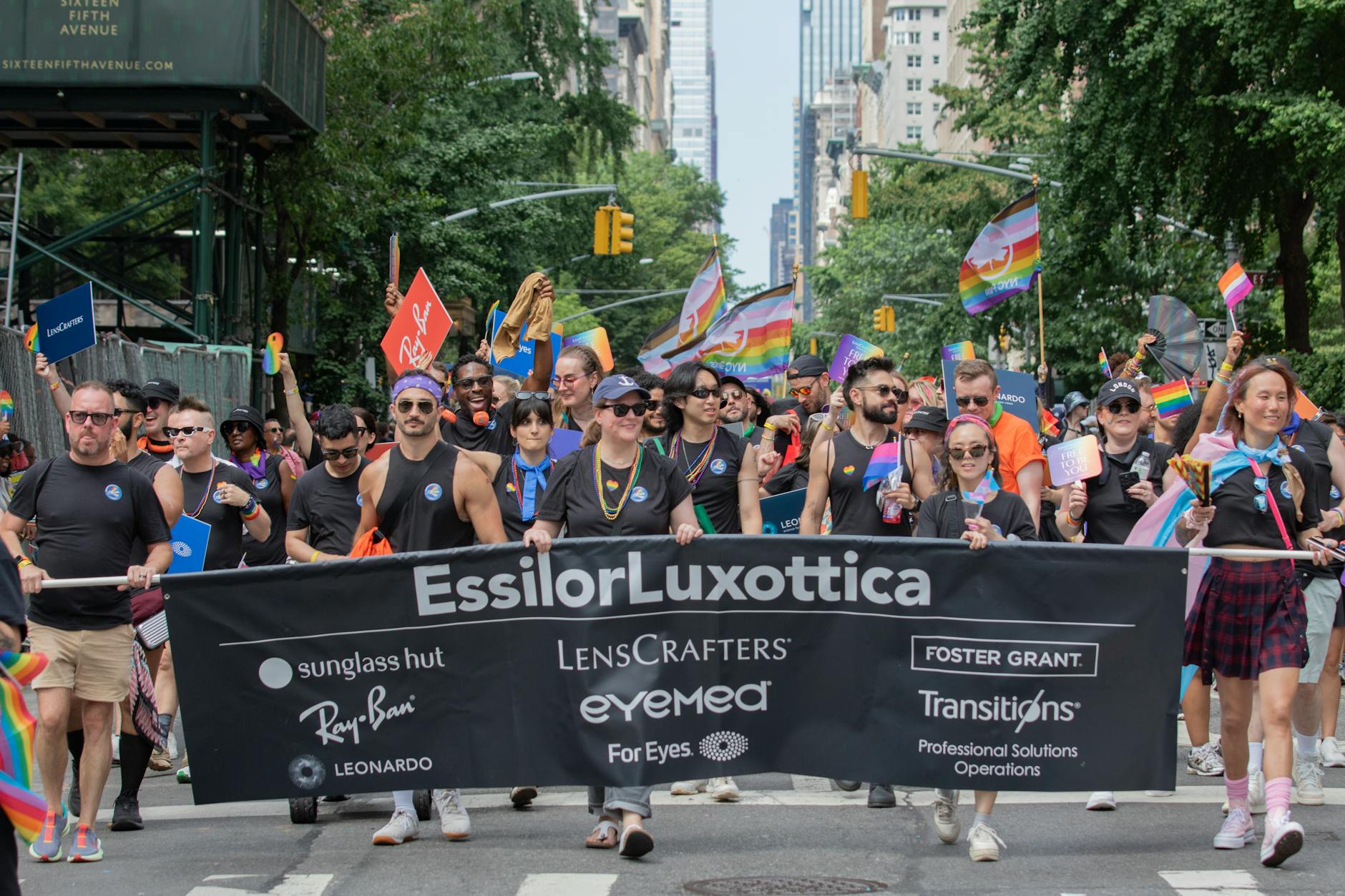
EssilorLuxottica’s acquisition of Supreme for $1.5 billion in October 2024 raised eyebrows across the fashion industry. The company, best known for owning Ray-Ban, Oakley, and most of the world’s optical retail chains, seemed an unlikely home for a skate-rooted streetwear brand. The $600 million discount from VF Corp’s purchase price suggested even the buyer recognized Supreme’s diminished status. The strategic logic likely centers on Supreme’s eyewear collaborations and the brand’s ability to reach younger demographics that EssilorLuxottica struggles to access through traditional channels. Supreme’s global recognition, even with reduced heat, still exceeds what most fashion brands ever achieve.
The question is whether corporate ownership by an eyewear conglomerate further erodes the credibility that made Supreme valuable in the first place. Early signs suggest EssilorLuxottica may take a lighter touch than VF Corp. The brand’s continued inclusion on Complex’s best-of lists indicates the fashion press has not written off Supreme entirely. But the fundamental tension between streetwear’s countercultural roots and corporate profit requirements remains unresolved. Supreme’s next few years will test whether the brand can stabilize at a lower level of cultural relevance or continues its slide.
How Does Supreme Compare to Other Luxury Streetwear Brands?
Supreme’s trajectory offers lessons about the lifecycle of hype-driven brands. Fear of God’s 18% sales increase on platforms where Supreme declined 3% demonstrates that the streetwear market itself remains healthy. Consumer spending simply migrated to brands perceived as fresher or more relevant. Palace, Stüssy, and other competitors have each carved out positions that Supreme once dominated.
The comparison to luxury houses is instructive. Brands like Louis Vuitton and Gucci have endured for over a century by balancing heritage with periodic reinvention. Supreme, at roughly 30 years old, faces its first real test of whether it can transcend the hype cycle that created it. The brand’s deliberate scarcity model, with only 15-18 stores worldwide, suggests management understands that overexposure kills coolness. But perception and reality do not always align.
Where Does Supreme Stand in the 2025 Streetwear Landscape?
Supreme in 2025 is best understood as a legacy brand rather than a cutting-edge force. This is not an insult. Many successful companies operate as legacy brands, generating consistent revenue from established customer relationships without driving cultural conversations.
Supreme’s continued commercial success, healthy margins, and recognition among streetwear enthusiasts position it for long-term viability even if the days of unprecedented hype are over. For younger consumers discovering streetwear, Supreme now functions as an established option rather than a rebellious statement. The brand’s history, extensive archive, and consistent design language provide value that newcomer brands cannot match. Whether that value translates to investment-grade collectibility or merely comfortable clothing depends on which pieces, from which era, one considers purchasing.
Conclusion
Supreme remains cool in 2025, but cool now means something different than it did at the brand’s peak. The white-hot demand that created instant resale premiums and cultural phenomenon status has subsided into steady commercial success and enduring recognition. For collectors and enthusiasts who appreciated Supreme before the hype, the current environment may actually represent improvement.
Pieces are easier to acquire, prices are more rational, and wearing Supreme no longer automatically signals hypebeast status. The brand’s future under EssilorLuxottica ownership remains uncertain, but the fundamentals suggest Supreme will persist as a significant streetwear presence for years to come. Those interested in Supreme as an investment should focus on vintage pieces from the pre-corporate era, which have demonstrated appreciation even as new releases stagnate. For those who simply want well-made streetwear from a brand with genuine history, Supreme delivers on that promise regardless of where it sits in the cultural hierarchy.