

Yes, Jordan remains cool in 2025, though the brand’s trajectory tells a more complicated story than a simple yes or no. After hitting $7 billion in revenue during fiscal year 2024 and representing Nike’s strongest-performing division with 6% sales growth, Jordan Brand experienced a 16% decline to $7.3 billion in fiscal year 2025″”its worst performance relative to Nike’s other segments. Yet despite this sales slowdown, cultural demand remains fierce: retro releases like the White Cement Air Jordan 4, Black Metallic Air Jordan 5, and the coveted ’85 Bred Air Jordan 1 all sold out or commanded strong resale premiums throughout the year. The Nigel Sylvester “Brick by Brick” Air Jordan 4 has already been crowned by many as the sneaker of the year.
The apparent contradiction between slowing sales and sustained cultural heat points to a market correction rather than a loss of relevance. Jordan Brand’s revenue had doubled between 2020 and 2024, a growth rate that was never sustainable. What we’re witnessing in 2025 is the natural plateau that follows explosive expansion””not a fall from grace. For collectors, investors, and anyone who views premium sneakers through the same lens as fine jewelry or precious metals, understanding this distinction matters. This article examines Jordan’s current market position, the cultural forces keeping it relevant, and what the brand’s trajectory means for those who treat rare sneakers as alternative assets.
Table of Contents
- Does Jordan Brand Still Hold Cultural Relevance in 2025?
- The Revenue Decline: Market Saturation or Strategic Reset?
- Specific Releases That Define Jordan’s 2025 Status
- Comparing Jordan to Competitors in 2025
- Challenges Facing Jordan Brand Going Forward
- The Investment Case for Rare Jordans
- What Jordan’s Future Looks Like Under New Leadership
- Conclusion
Does Jordan Brand Still Hold Cultural Relevance in 2025?
Cultural relevance, unlike quarterly revenue, cannot be quantified in a boardroom presentation””but certain metrics offer reliable signals. Jordans account for over 30% of all basketball shoe searches online within a global sneaker market that surpasses $90 billion annually. That search volume reflects genuine consumer interest rather than purchased advertising impressions. When six out of ten Gen Z consumers report that authenticity and heritage drive their sneaker purchasing decisions, Jordan’s four-decade legacy becomes a competitive moat rather than a liability. The Air Jordan 4 has emerged as 2025’s dominant silhouette, with over 15 releases scheduled throughout the year. The “Black Cat” colorway in particular became the pair everybody wanted to wear, commanding resale premiums that dwarf retail prices.
This pattern””limited releases driving secondary market activity””mirrors the dynamics seen in precious metals and luxury watches. Scarcity, heritage, and desirability create value independent of manufacturing costs. However, cultural relevance operates differently across demographics. Among older millennials who grew up during Michael Jordan’s playing career, the brand carries nostalgic weight that newer competitors cannot replicate. For Gen Z consumers who never saw Jordan play live, the appeal rests more on streetwear credibility and resale potential. Both groups find Jordan cool, but for fundamentally different reasons””a distinction that matters for anyone attempting to predict which specific releases will appreciate over time.
The Revenue Decline: Market Saturation or Strategic Reset?
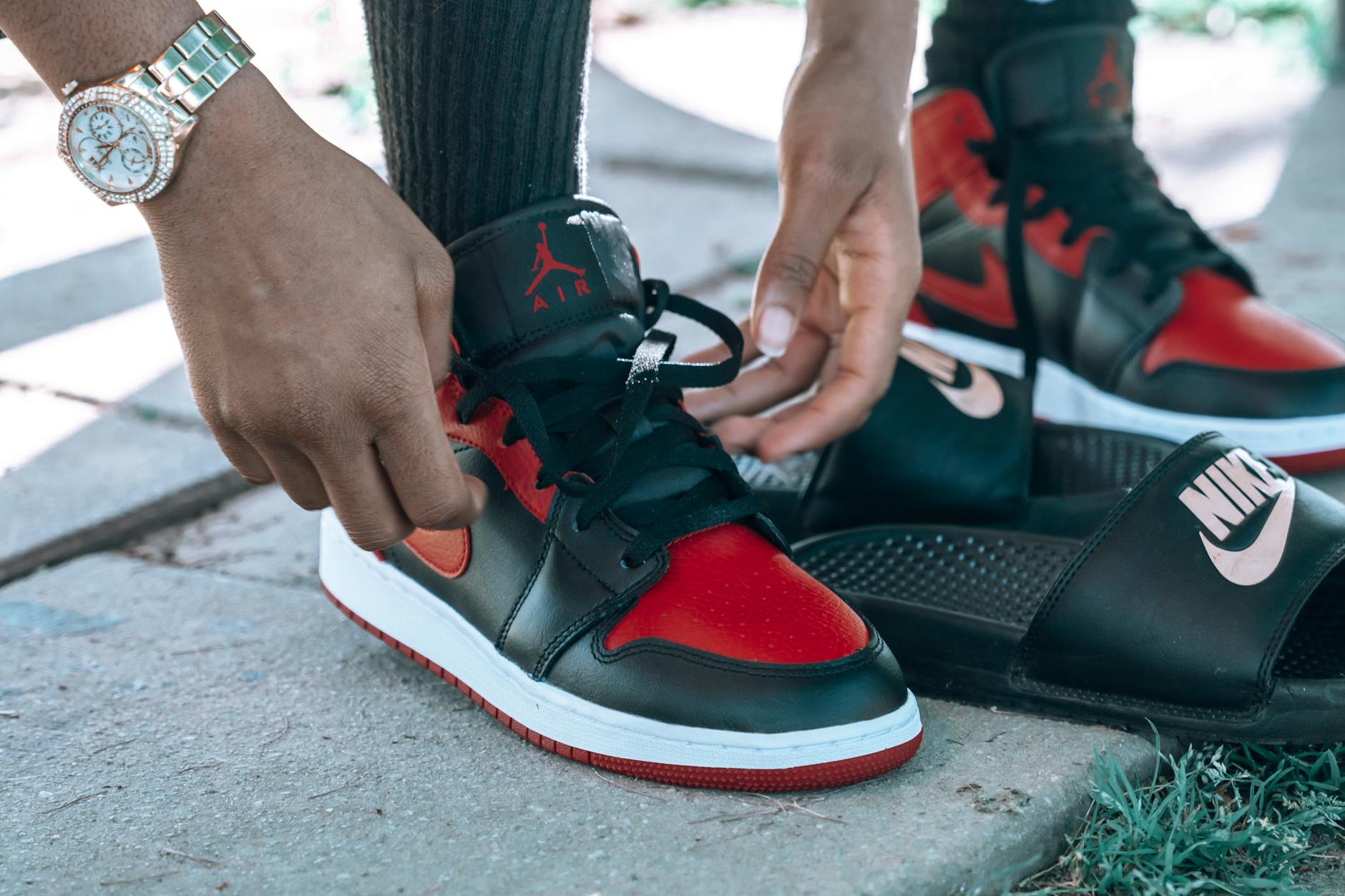
Jordan Brand’s 16% revenue decline in fiscal year 2025 demands context before interpretation. The brand spent years flooding the market with releases, prioritizing volume over scarcity. Collectors and resellers noticed diminishing returns as once-coveted silhouettes became readily available at retail. This saturation eroded the exclusivity that had historically justified premium pricing””a dynamic familiar to anyone who has watched commodity markets respond to oversupply. Nike’s new CEO Elliott Hill, notably the executive who helped take Jordan Brand international in the late 1990s, views the brand as a pillar for restoring Nike’s market dominance. This suggests a strategic recalibration rather than abandonment.
Expect fewer releases with tighter inventory controls, a return to the scarcity model that built Jordan’s mystique in the first place. For collectors, this shift could mean that 2025’s releases retain value better than the high-volume drops of previous years. The revenue figures also reflect broader sneaker market headwinds. Increased competition from adidas and emerging players has fractured consumer attention in ways that benefit nobody’s sales numbers. If you’re evaluating Jordan’s coolness strictly through quarterly earnings, you’ll reach different conclusions than if you’re measuring resale premiums on grail releases. Both perspectives contain truth, but serve different purposes.
Specific Releases That Define Jordan’s 2025 Status
The White Cement Air Jordan 4 represents everything the brand does well: a beloved original colorway, premium materials, and supply controlled tightly enough to ensure sellouts without creating frustration. Its 2025 release continued a pattern where heritage designs outperform experimental new concepts. Collectors treat these retros as blue-chip holdings rather than speculative bets. The Nigel Sylvester “Brick by Brick” Air Jordan 4 demonstrates Jordan’s continued ability to generate genuine cultural moments through collaborations.
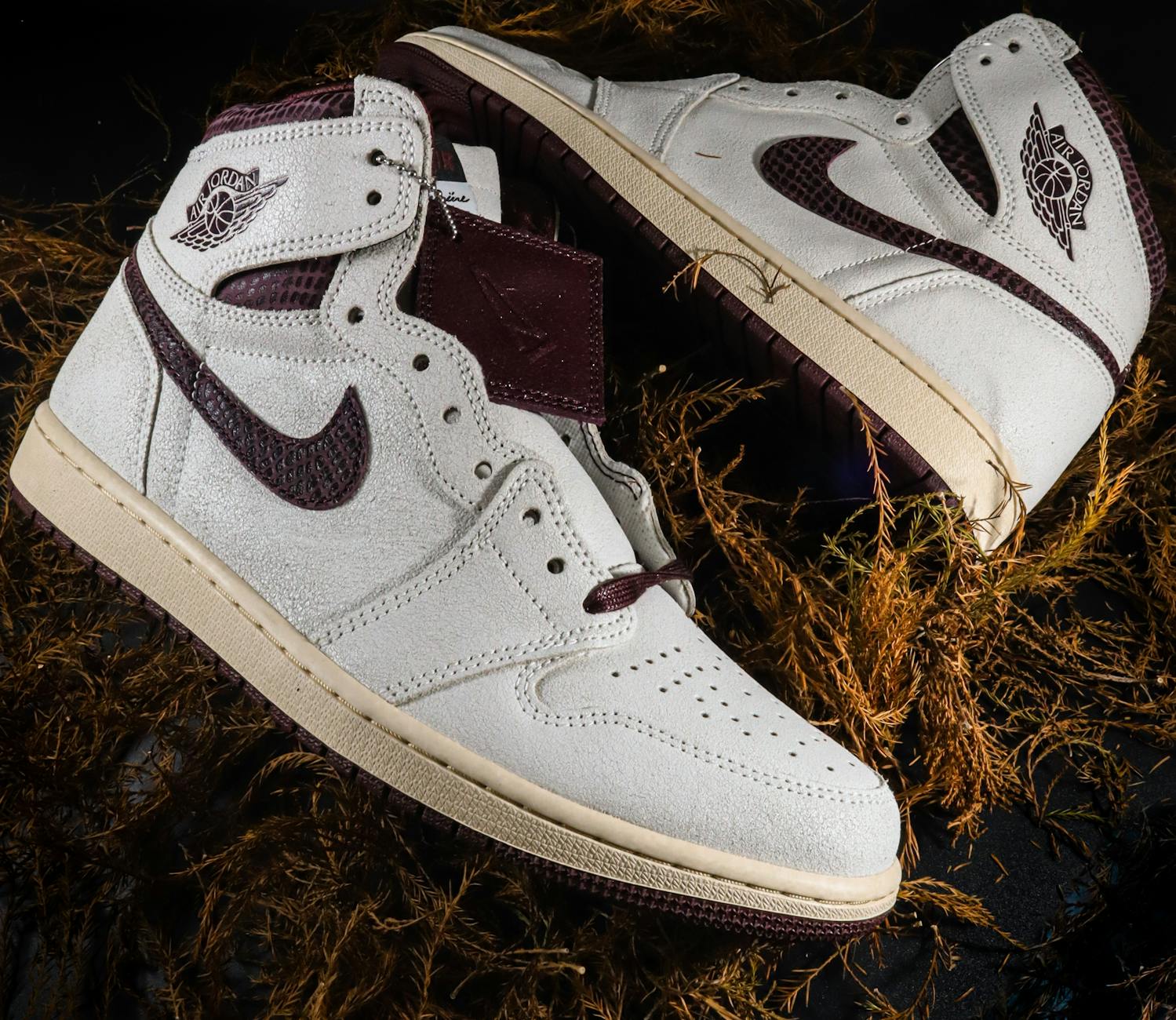
Sylvester, a professional BMX rider known for his documentary exploring his own family history, brought personal narrative to the design in ways that resonated beyond typical celebrity partnerships. The release sold out immediately and resale prices have remained elevated””not because of manufactured hype, but because the product delivered on its storytelling promise. The ’85 Bred Air Jordan 1 retro, with its vintage-cut construction mimicking the original 1985 release, attracted both longtime collectors and newer enthusiasts willing to pay premium prices for historical accuracy. This specific release illustrates how Jordan’s value proposition differs from fashion-forward competitors: rather than chasing trends, the brand monetizes its own history. For investors in luxury goods, this approach offers more predictable returns than brands dependent on correctly guessing next season’s aesthetic direction.
Comparing Jordan to Competitors in 2025
Adidas has emerged as Jordan’s most significant competitive threat, leveraging its Yeezy-era infrastructure to push performance and lifestyle sneakers that attract younger consumers. However, Adidas lacks the singular cultural figure that anchors Jordan’s identity. Michael Jordan remains the most recognized athlete in history; no current Adidas athlete commands equivalent reverence. This distinction matters for long-term brand equity even when it doesn’t immediately translate to quarterly sales. New Balance, Asics, and smaller players like Hoka have captured market share by emphasizing comfort and technical innovation over heritage. These brands appeal to consumers who view sneakers as functional footwear rather than collectible assets.
Jordan’s core audience generally isn’t defecting to these alternatives””instead, the brands compete for different consumer segments. Someone buying New Balance 2002Rs for daily wear might also own Jordan 4s for weekend rotation; the purchases aren’t mutually exclusive. The tradeoff for Jordan loyalists involves accepting that the brand prioritizes heritage over innovation. Jordan releases fundamentally the same silhouettes that worked in 1985, 1989, and 1999. For collectors, this consistency provides confidence that today’s purchases will remain culturally legible in a decade. For consumers seeking cutting-edge design, the formula can feel stale. Knowing which camp you occupy helps determine whether Jordan fits your portfolio.
Challenges Facing Jordan Brand Going Forward
Saturation remains Jordan’s most pressing challenge. Years of aggressive release schedules trained consumers to expect that any desired pair would eventually restock or receive a similar colorway. This expectation undermined the scarcity psychology that had historically driven demand. Rebuilding that perception requires sustained discipline””fewer releases, tighter quantities, willingness to leave money on the table in the short term. The generational handoff presents another uncertainty. Consumers who remember watching Jordan play are now middle-aged; their purchasing power remains strong, but their numbers are fixed.
Younger consumers must be won through cultural relevance rather than nostalgic attachment. Jordan Brand has successfully maintained youth appeal thus far, but competitors are attacking precisely this demographic with fresh narratives and influencer partnerships. Counterfeiting has also reached unprecedented sophistication. Replica manufacturers now produce fakes that fool even experienced collectors without close physical inspection. This reality complicates the resale market and raises authentication costs for anyone treating Jordans as alternative investments. Platforms like StockX and GOAT have built businesses around authentication services, but no system catches every fake. Buyers must remain vigilant in ways unnecessary when purchasing precious metals with standardized assaying.
The Investment Case for Rare Jordans
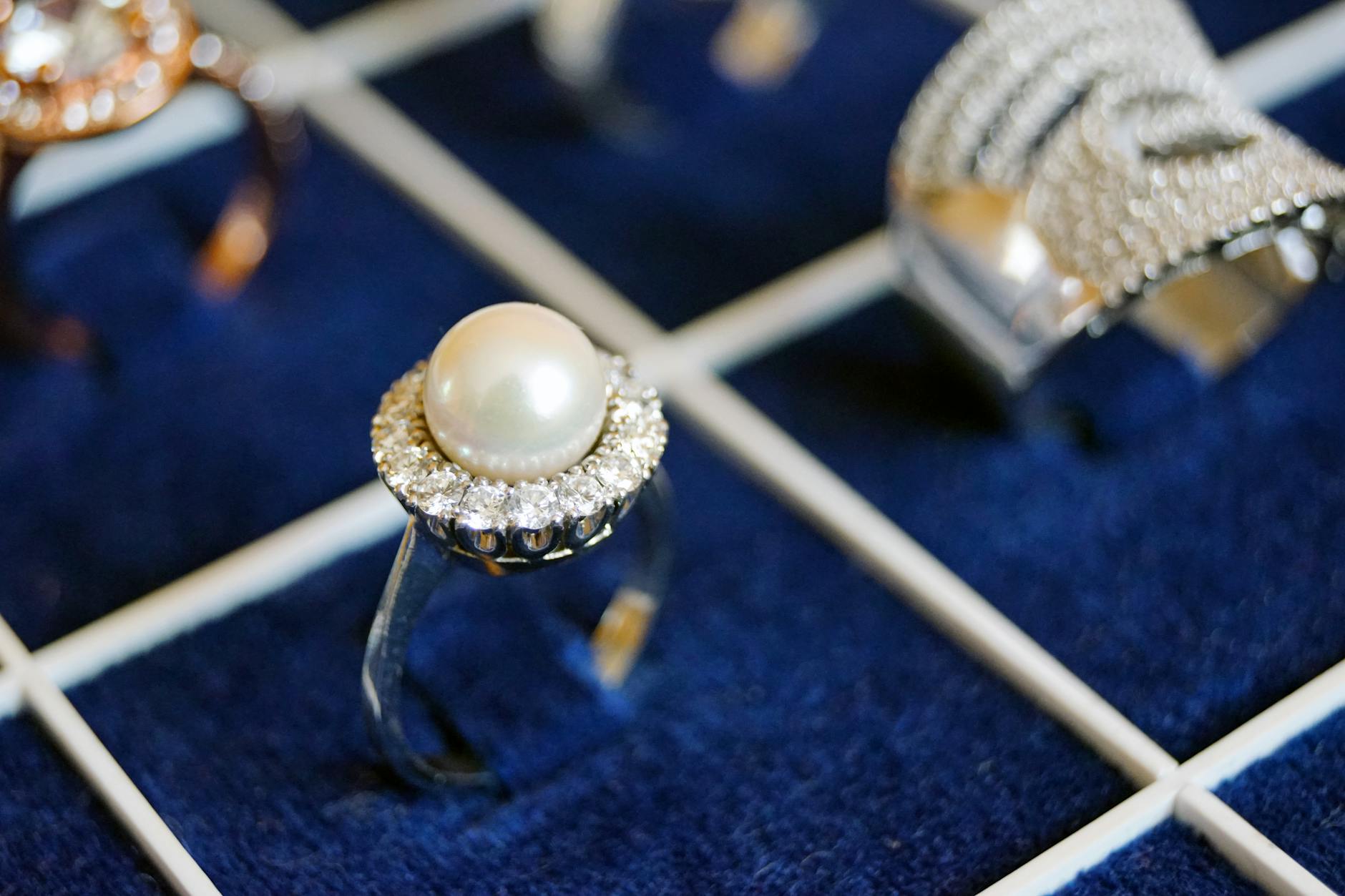
Rare Jordan releases share characteristics with precious metals and luxury watches: finite supply, global demand, established authentication infrastructure, and prices set by willing buyers and sellers rather than central authorities. The Air Jordan 1 “Chicago” from 1985, in deadstock condition, now commands five figures””appreciation that outpaces most conventional investments over the same period. However, sneakers present storage and condition challenges that gold bars do not. Polyurethane midsoles degrade even when unworn; the phenomenon known as “sole separation” has destroyed countless pairs worth thousands of dollars. Temperature, humidity, and UV exposure all affect long-term value.
Serious sneaker investors invest in climate-controlled storage and handle pairs minimally””costs and inconveniences that erode net returns. The liquidity profile also differs meaningfully. A gold coin can be sold at any reputable dealer with minimal spread between bid and ask. A rare Jordan release requires finding the right buyer at the right time, with transaction costs (platform fees, shipping, insurance, authentication) that can exceed 15% of the sale price. These frictions make Jordans better suited to long-term holding than active trading.
What Jordan’s Future Looks Like Under New Leadership
Nike CEO Elliott Hill’s history with Jordan Brand suggests he understands both the business mechanics and cultural significance involved. His tenure taking Jordan international during the late 1990s coincided with the brand’s global explosion””success he’ll aim to replicate through strategic restraint rather than volume expansion. Expect quality improvements, more careful collaborator selection, and marketing that emphasizes heritage over hype.
The broader sneaker market will likely consolidate after years of fragmentation. Consumers overwhelmed by constant releases may retreat to established names with proven resale track records. Jordan’s incumbency provides advantages here: collectors know what they’re getting, authentication processes are well-established, and the secondary market has decades of price history for reference. Younger brands cannot offer equivalent certainty.
Conclusion
Jordan remains cool in 2025, though the brand’s relationship with that coolness has matured. The explosive growth of 2020-2024 has given way to market correction and strategic recalibration. Cultural relevance persists through sold-out retros, strong resale premiums, and the enduring appeal of Michael Jordan’s legacy. Revenue declines reflect saturation and competition rather than fundamental loss of consumer interest.
For collectors and investors, 2025 represents a potentially attractive entry point. Prices on certain releases have softened from pandemic-era peaks without underlying demand disappearing. New leadership appears committed to restoring scarcity discipline that benefits long-term holders. As with precious metals or fine jewelry, the value proposition depends on patience, authenticity verification, and willingness to hold through market cycles. Jordan’s four decades of cultural relevance suggest the brand will still be cool long after current inventory concerns fade from memory.