

Transitioning from casual to clean streetwear requires three fundamental shifts: investing in elevated basics with refined silhouettes, swapping graphic-heavy pieces for minimalist alternatives, and introducing structured accessories like quality jewelry and leather goods that signal intentionality. The difference between someone who looks thrown-together and someone who looks effortlessly polished often comes down to fit, fabric quality, and a few well-chosen details that elevate the entire outfit. A plain white tee, black trousers, and box-fresh sneakers can read as either lazy or deliberately sophisticated depending entirely on these factors. Consider the difference between a faded band tee with joggers versus a heavyweight cotton crewneck paired with tailored cargo pants and a simple gold chain.
Both outfits occupy streetwear territory, but one signals that you’ve made conscious choices while the other suggests you grabbed whatever was closest. This transition doesn’t require abandoning your aesthetic roots or spending thousands on designer pieces. It’s about curation, understanding proportion, and recognizing that restraint often communicates more confidence than excess. This article breaks down the practical steps for making this shift, from building a foundation of quality essentials to understanding how accessories like fine jewelry can anchor an outfit. We’ll cover the specific pieces worth investing in, the common mistakes that keep casual looks from reading as clean, and how to maintain streetwear’s edge while adding polish.
Table of Contents
- What Does Clean Streetwear Actually Mean Compared to Casual Street Style?
- Building Your Foundation: Essential Pieces for the Transition
- How Accessories Transform Casual Outfits Into Polished Streetwear
- The Role of Footwear in Defining Your Streetwear Direction
- Common Mistakes That Undermine Clean Streetwear Attempts
- Understanding Color as a Tool for Elevated Street Style
- Where Clean Streetwear Is Heading
- Conclusion
What Does Clean Streetwear Actually Mean Compared to Casual Street Style?
Clean streetwear emerged as a response to the maximalist tendencies of traditional street style“”the loud graphics, layered logos, and color-heavy combinations that defined the genre through the 2010s. Where casual streetwear embraces visual noise and brand signaling, clean streetwear prioritizes cohesion, muted palettes, and garments that stand on the strength of their construction rather than their branding. Think of it as streetwear that could transition into a creative professional setting without requiring a wardrobe change. The distinction matters because understanding it prevents you from simply buying more expensive versions of the same loud pieces. A $400 graphic hoodie from a hyped brand isn’t clean streetwear; it’s expensive casual streetwear.
Meanwhile, a $120 heavyweight blank hoodie in oatmeal or charcoal, properly fitted and paired with structured pants, achieves the clean aesthetic at a fraction of the cost. The investment goes into fabric weight, construction quality, and fit rather than into logo placement or collaboration status. However, clean doesn’t mean boring or corporate. The streetwear DNA remains in the silhouettes””oversized shoulders, dropped hems, chunky footwear””and in the attitude of mixing high and low. The difference is in the editing. Where casual street style might layer a graphic tee over a long-sleeve under a denim jacket with multiple pins, clean streetwear achieves impact through a single well-chosen piece against a neutral backdrop.
Building Your Foundation: Essential Pieces for the Transition
The backbone of clean streetwear consists of approximately ten to fifteen versatile pieces that mix interchangeably. Start with heavyweight cotton basics: two to three crewneck tees in white, black, and a muted tone like sage or cream, plus one or two long-sleeve versions. These should have enough weight that they drape rather than cling””typically 6 ounces or heavier. Pair these with one quality hoodie in a neutral color and one crewneck sweatshirt, both without visible branding. For bottoms, invest in well-fitting trousers that bridge casual and tailored. Pleated chinos, structured cargo pants with tapered legs, and clean dark denim form the core rotation.
Avoid heavily distressed jeans and overly slim fits, which date quickly. The silhouette should have room through the thigh while tapering cleanly to the ankle, allowing for stacking over sneakers without excessive bunching. One pair of quality black trousers alone can anchor dozens of outfits. The limitation here is that this foundation requires upfront investment in quality basics rather than spreading budget across statement pieces. If funds are limited, prioritize fit over everything else. A $30 tee that fits perfectly serves clean streetwear better than a $150 tee that’s too long in the torso or too tight in the shoulders. Start with three to four perfect-fitting pieces and build gradually rather than buying a full wardrobe of mediocre fits.
How Accessories Transform Casual Outfits Into Polished Streetwear
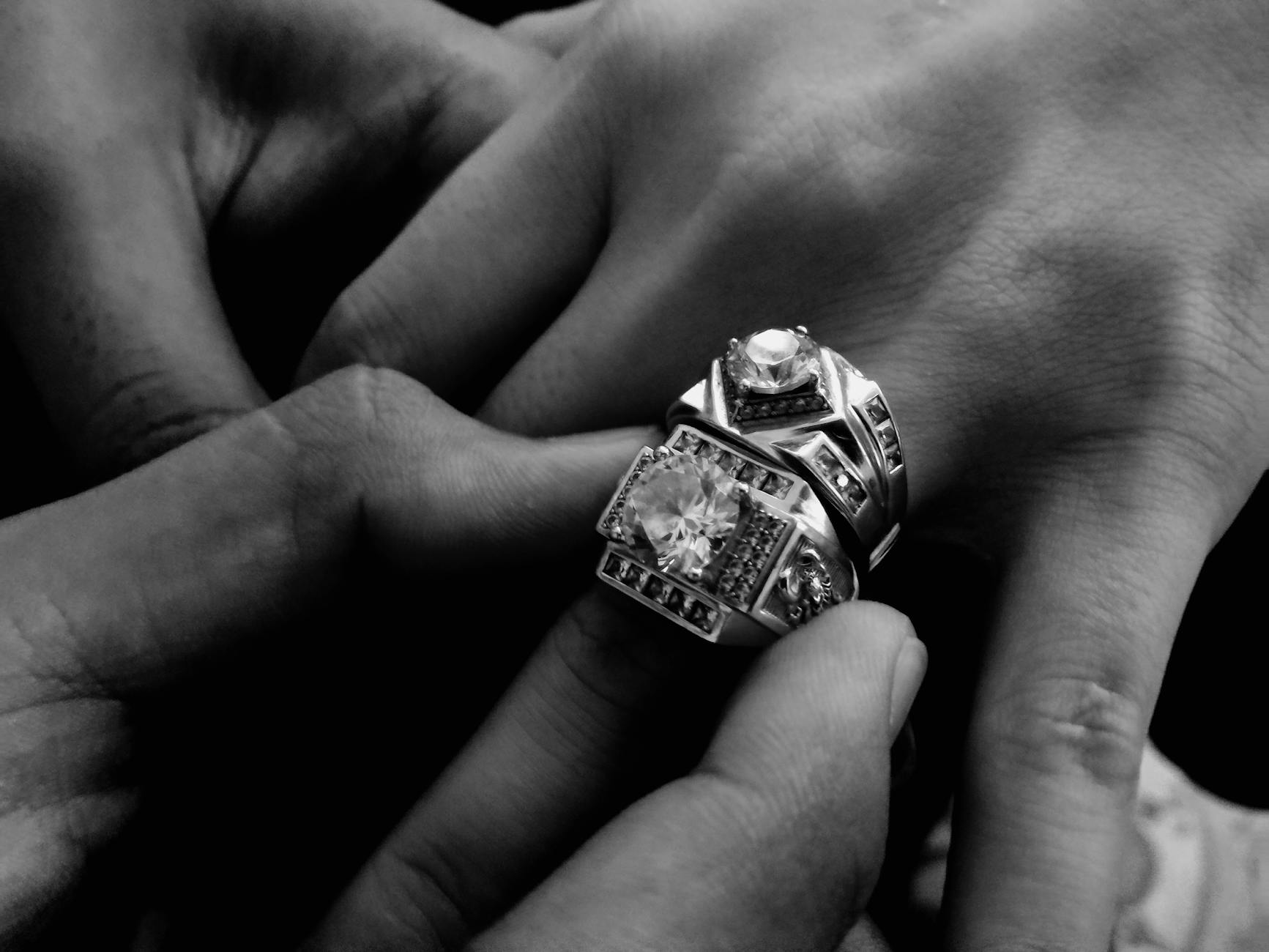
Accessories function as the punctuation of an outfit””they clarify intention and add personality without cluttering the sentence. In clean streetwear, this typically means jewelry, a quality watch, and one or two leather goods. The key is restraint: one visible chain rather than layered stacks, a single bracelet rather than an armful, perhaps a signet ring as a subtle detail. These pieces should complement rather than compete with your clothing. Fine jewelry, in particular, bridges the gap between streetwear and sophistication in ways that costume pieces cannot. A solid gold Cuban link chain worn under a plain white tee creates visual interest through glimpses of metal at the neckline.
A quality silver bracelet adds weight to an otherwise minimal wrist. These pieces read as investments rather than afterthoughts, signaling that you’ve considered every element of your presentation. The jewelry doesn’t need to be flashy””in fact, it shouldn’t be. Subtle precious metals communicate more than oversized, heavily embellished alternatives. For example, Japanese streetwear brands like Neighborhood and WTAPS have long incorporated silver jewelry as integral to their aesthetic, understanding that metal accents against black and white basics create the kind of contrast that elevates entire outfits. A simple pair of silver earrings or a thin gold bracelet can shift perception of an outfit from “guy in a black tee” to “someone with a considered style.”.

The Role of Footwear in Defining Your Streetwear Direction
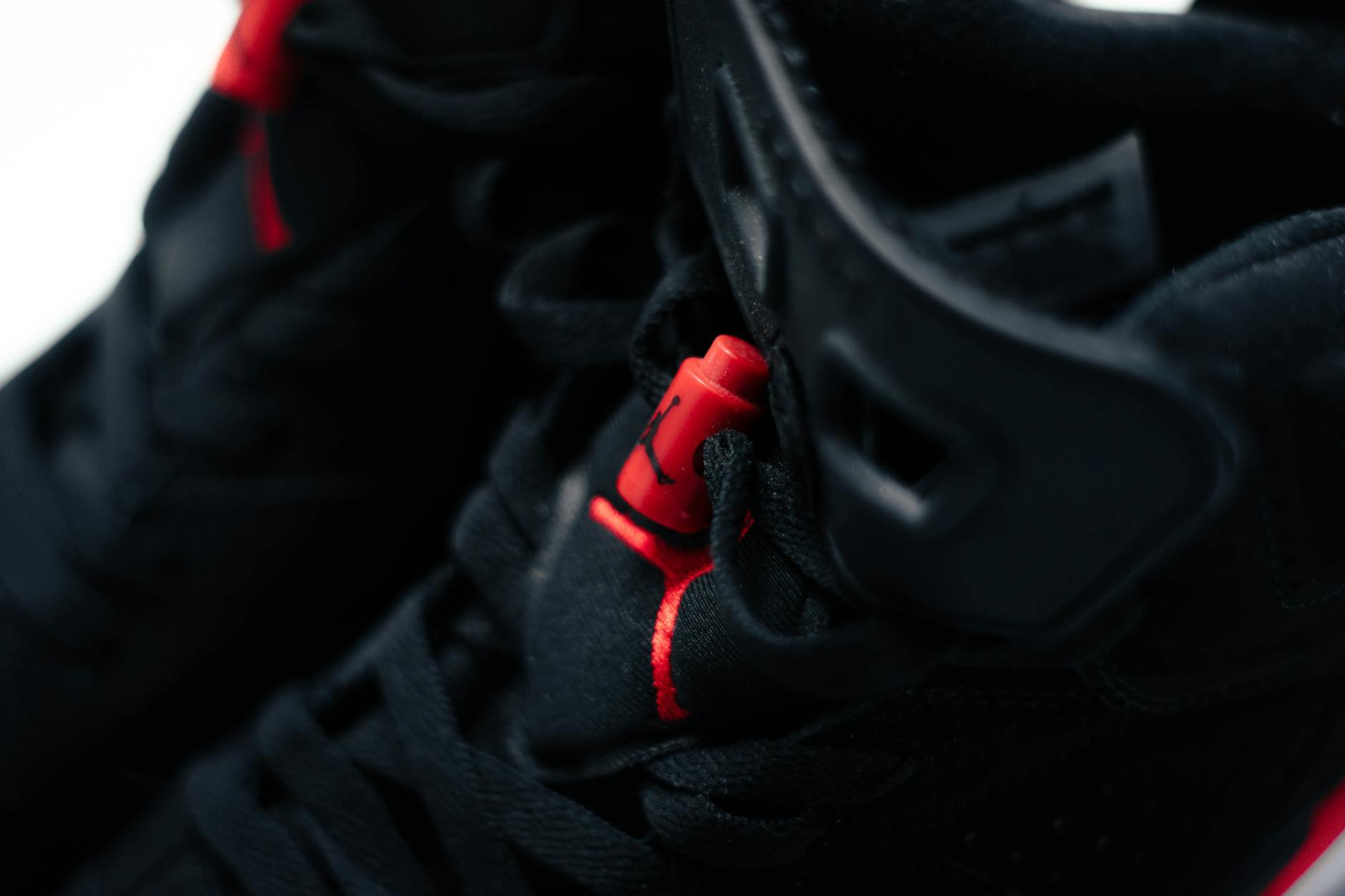
Footwear often determines whether an outfit reads as casual or clean more than any other single element. The difference between beat-up canvas sneakers and pristine leather low-tops is the difference between running errands and intentionally presenting yourself. Clean streetwear favors minimal silhouettes in quality materials: leather or premium suede sneakers, clean running-inspired models without excessive colorblocking, or polished boots in appropriate contexts. The comparison worth making is between statement footwear and foundational footwear. A pair of chunky, heavily designed sneakers in multiple colors will demand attention and limit your outfit options; everything must be styled around them.
Conversely, a clean white leather sneaker or a black minimalist runner works with essentially everything in a clean streetwear wardrobe. Both have their place, but the ratio should favor foundation over statement””perhaps three pairs of versatile shoes for every one attention-grabbing pair. The tradeoff is between individual expression and versatility. Those limited-edition collaboration sneakers might spark joy and conversation, but they also lock you into building outfits around them. If you’re transitioning to clean streetwear, consider whether your current footwear rotation supports or undermines that goal. Selling or retiring overly loud shoes and reinvesting in quality neutrals often accelerates the transition more than any other single change.
Common Mistakes That Undermine Clean Streetwear Attempts
The most frequent error is mistaking “clean” for “plain.” Removing graphic elements and branding without understanding proportion, texture, and detail leaves you with outfits that look unfinished rather than refined. Clean streetwear still requires visual interest””it just achieves it through means other than bold graphics. This might be textural contrast (a ribbed tank under a smooth overshirt), tonal variation (layering shades of the same color), or strategic accessorizing (a watch, chain, and ring creating points of interest against a monochrome outfit). Another common mistake is over-tailoring. In an attempt to look polished, people sometimes swing too far from streetwear’s relaxed silhouettes into territory that reads as corporate casual. The dropped shoulders, relaxed fits, and comfortable proportions are part of streetwear’s identity.
Removing them entirely means you’ve transitioned out of streetwear altogether rather than into a cleaner version of it. The goal is intentional relaxation””clothes that fit well but don’t restrict or appear overly formal. The warning here: don’t rush the process by purging your entire wardrobe. Many casual streetwear pieces can be restyled within a clean context. That band tee works when tucked into high-waisted trousers with a blazer thrown over. Those graphic hoodies can serve as statement pieces against otherwise minimal outfits. The transition is about shifting proportions and adding elevated elements, not about wholesale replacement.
Understanding Color as a Tool for Elevated Street Style
Color discipline separates amateur attempts at clean streetwear from successful executions. The default approach is a neutral base palette””black, white, gray, navy, cream, olive””with color introduced sparingly as accent. This doesn’t mean avoiding color entirely; it means using it with intention. A single rust-colored overshirt against black and white basics creates impact.
The same outfit with a rust shirt, burgundy pants, and multicolored sneakers creates chaos. For practical application, consider building outfits in two to three colors maximum, with at least one being a true neutral. Earth tones””browns, tans, olives, burnt oranges””tend to read as more sophisticated than primary colors in streetwear contexts. Monochromatic outfits (varying shades of a single color) offer a reliable path to looking put-together without much effort. A navy tee, slightly lighter navy trousers, and white sneakers is essentially foolproof.
Where Clean Streetwear Is Heading
The lines between clean streetwear, minimalist fashion, and quiet luxury continue to blur. Brands that once focused exclusively on hype-driven releases are introducing permanent collections of elevated basics. The secondary market increasingly values understated pieces alongside limited collaborations.
This suggests that clean streetwear isn’t a passing trend but rather a maturation of the broader streetwear movement””a recognition that the aesthetic can evolve alongside its audience. For those making the transition now, this trajectory offers reassurance. Investing in quality basics and timeless accessories like fine jewelry positions you well regardless of where specific trends move. The fundamentals of fit, fabric, and intentional accessorizing will remain relevant even as particular silhouettes shift in and out of favor.
Conclusion
Transitioning from casual to clean streetwear is ultimately about editing and elevation rather than complete reinvention. It requires building a foundation of quality basics, understanding how fit and proportion communicate intention, and using accessories like fine jewelry to add sophistication without abandoning streetwear’s relaxed attitude. The most successful transitions happen gradually, incorporating new elevated pieces while restyling existing wardrobe items within a cleaner context.
Start with an honest assessment of your current wardrobe, identifying pieces that already work and those that consistently undermine your attempts at looking polished. Invest first in the gaps””probably heavyweight basics and quality footwear””and add accessories that create visual interest without noise. The goal isn’t to look like you’re trying hard; it’s to look like quality and intention are simply your baseline.