

Yes, streetwear can absolutely be worn to casual events, and in 2026, it has become one of the most socially accepted choices for everything from weekend brunches to gallery openings and backyard gatherings. The global streetwear market, now valued at approximately $206-210 billion, reflects a cultural shift where comfort-driven, urban-inspired clothing has moved from subcultural uniform to mainstream wardrobe staple. When a guest arrives at a casual dinner party wearing a well-fitted hoodie layered under a structured blazer, paired with tailored joggers and clean sneakers, they are no longer making a bold statement””they are simply dressing appropriately for the occasion. The key lies in understanding what “casual” actually means in contemporary contexts and how streetwear’s evolution has positioned it perfectly for these settings.
Nearly 78% of streetwear consumers prioritize comfort in their purchasing decisions, while 67% focus on quality over brand recognition alone. This combination of comfort and craftsmanship makes streetwear inherently suited for events where rigid dress codes do not apply but a put-together appearance still matters. The rest of this article explores how to navigate specific casual occasions, what styling approaches work best, where streetwear falls short, and how the integration of quality accessories””including fine jewelry””can elevate these looks further. This guide covers the practical considerations of wearing streetwear to various casual settings, from understanding current market trends to mastering the balance between relaxed and refined aesthetics.
Table of Contents
- What Types of Casual Events Are Appropriate for Streetwear?
- How Streetwear Has Evolved Beyond Its Subcultural Origins
- The Rise of Elevated Loungewear for Versatile Styling
- Styling Streetwear with Fine Jewelry and Quality Accessories
- Common Mistakes When Wearing Streetwear to Casual Events
- The Role of Social Media in Streetwear’s Event Appropriateness
- What the Future Holds for Streetwear at Casual Gatherings
- Conclusion
What Types of Casual Events Are Appropriate for Streetwear?
Streetwear works exceptionally well for casual events where the atmosphere prioritizes personal expression and relaxed interaction over formality. Birthday parties, casual networking events, art shows, music venues, rooftop gatherings, and weekend outings all fall comfortably within streetwear’s domain. The distinction worth understanding is between “casual” and “smart casual”””the former welcomes graphic tees and sneakers without reservation, while the latter may require more considered layering and elevated accessories. Consider a Saturday afternoon wine tasting at a local vineyard. A guest wearing dark, well-fitted jeans, a premium cotton crewneck, and minimalist leather sneakers would fit seamlessly into the environment.
However, that same outfit might feel underdressed at a smart-casual engagement party held at an upscale restaurant. The event’s setting, host expectations, and guest demographics all factor into whether streetwear lands appropriately or misses the mark. Industry data shows that millennials and Gen Z now comprise nearly 60% of the global streetwear customer base, with the majority of consumers under 25 years old. This demographic dominance means that at events primarily attended by younger crowds, streetwear is often the default rather than the exception. For mixed-age gatherings, slightly more refined streetwear pieces””think premium fabrics, muted colors, and subtle branding””tend to bridge generational style expectations more effectively.

How Streetwear Has Evolved Beyond Its Subcultural Origins
The lines between high fashion, sportswear, and urban clothing have completely blurred according to current fashion analysis. What began in the 1980s and 1990s as the uniform of skaters, hip-hop artists, and graffiti writers has undergone a fundamental transformation. Major fashion houses now collaborate with streetwear labels, and luxury materials appear in traditionally casual silhouettes. This crossover means that a well-chosen streetwear piece can carry the same visual weight as traditional casual wear while offering superior comfort and cultural relevance. However, this evolution comes with a caveat. Not all streetwear translates equally well to casual events.
Heavily branded pieces featuring large logos or provocative graphics may read as immature or attention-seeking in certain settings. The current industry direction favors what experts describe as “quiet luxury and nuanced dressing,” replacing overt logomania with focus on quality everyday staples. If an event’s guest list includes older professionals or takes place in a conservative community, streetwear choices should lean toward the understated end of the spectrum. Sustainability has also become mainstream within streetwear, with recycled denim, organic cotton, and plant-based leather becoming standard materials. This shift toward ethical production adds another dimension to streetwear’s appropriateness for casual events where attendees may value environmental consciousness. Wearing streetwear that prioritizes sustainable materials can serve as a subtle conversation starter while demonstrating awareness of broader cultural values.
The Rise of Elevated Loungewear for Versatile Styling
Current fashion direction points toward “elevated loungewear” styled for both casual and professional settings alike. This category represents streetwear’s natural evolution””pieces that maintain the comfort and ease of athletic-inspired clothing while incorporating tailored details, premium fabrics, and refined silhouettes. For casual events, elevated loungewear offers the best of both worlds: the wearer feels relaxed and unrestricted while appearing intentionally dressed. A practical example: matching sweat sets in heavyweight French terry cotton, when worn with leather accessories and polished footwear, can transition from a coffee meeting to an evening rooftop gathering without appearing sloppy or underdressed.
The styling approach recommended by fashion experts involves pairing oversized pieces with slim-fit items to achieve a “casual chic” balance. An oversized crewneck tucked into fitted trousers, or a cropped hoodie worn with high-waisted tailored pants, demonstrates this principle in action. Layering streetwear with blazers has emerged as a reliable technique for creating what stylists call “elevated streetwear looks.” This approach works particularly well for casual events with slight ambiguity regarding dress code. Adding a structured jacket over a graphic tee or premium hoodie signals effort and awareness while preserving streetwear’s essential character. The blazer acts as a safety net””if the event turns out more formal than anticipated, the wearer remains appropriately dressed.

Styling Streetwear with Fine Jewelry and Quality Accessories
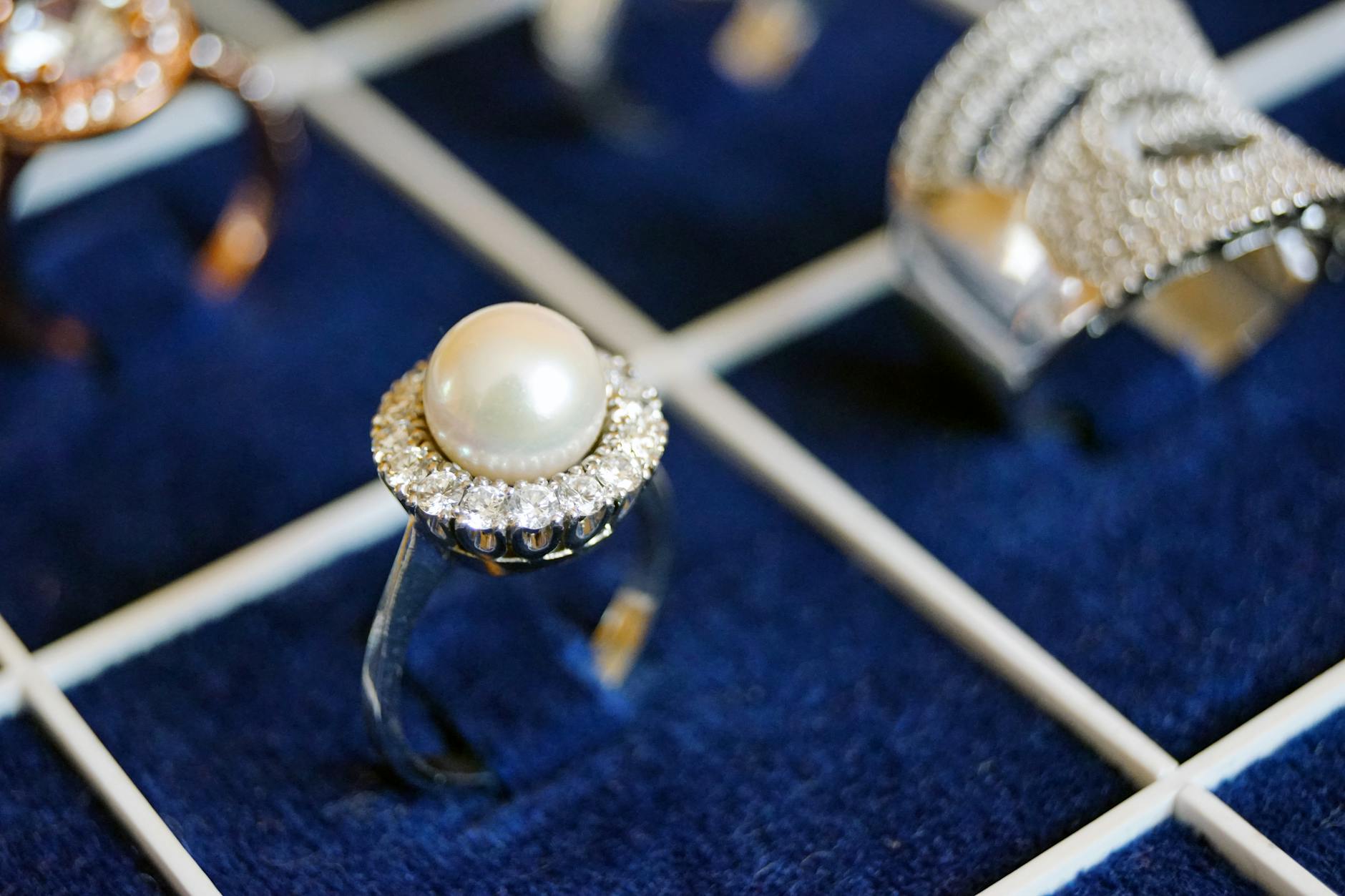
Accessories represent the most effective tool for elevating streetwear to meet casual event standards. Sneakers remain foundational to streetwear styling, but the addition of quality accessories””crossbody bags, watches, and fine jewelry””adds personality and sophistication. A simple gold chain worn over a plain white tee, or a signet ring paired with a minimalist hoodie, creates visual interest without abandoning streetwear’s relaxed aesthetic. The comparison between unadorned streetwear and accessorized streetwear is significant.
A plain black crewneck and dark jeans might appear too basic for a casual dinner party, but the same outfit with a quality timepiece, subtle gold bracelet, and leather belt transforms into a cohesive, intentional look. Fine jewelry particularly excels in this role because it introduces an element of permanence and value to clothing that might otherwise appear disposable or trend-dependent. For precious metals specifically, yellow gold and rose gold complement streetwear’s typically neutral palette, while white gold and platinum offer a more understated option for those preferring minimal contrast. The tradeoff involves visibility versus subtlety: bolder pieces make a statement and can anchor an entire outfit, while delicate jewelry provides refinement without drawing direct attention. Personal style and event context should guide this decision.
Common Mistakes When Wearing Streetwear to Casual Events
The most frequent error involves misjudging the specific event’s expectations. Streetwear’s broad acceptance does not mean universal appropriateness. A casual barbecue at a friend’s home differs significantly from a casual networking mixer at a creative agency, even though both might technically qualify as “casual.” Researching the venue, considering the host’s typical style, and when in doubt, asking directly about dress expectations prevents awkward mismatches. Another common mistake is prioritizing brand recognition over fit and condition. A vintage designer hoodie with visible wear might carry cultural cachet among streetwear enthusiasts but can appear careless to a broader audience.
Similarly, an expensive sneaker collaboration means little if the shoes are visibly dirty or the overall outfit lacks coherence. Quality over brand name””a priority for 67% of streetwear consumers””should guide event dressing decisions. A limitation worth acknowledging: streetwear does not work for all casual events equally. Casual events with religious, cultural, or generational expectations may still require more traditional dress despite technically lacking formal codes. A casual Sunday lunch with a partner’s conservative grandparents, for instance, might call for button-downs and loafers rather than hoodies and sneakers, regardless of how elevated the streetwear pieces might be.
The Role of Social Media in Streetwear’s Event Appropriateness
Approximately 70% of streetwear market growth has been influenced by social media, with around 60% impacted by celebrity endorsements. This digital visibility has normalized streetwear across contexts that previously would have demanded traditional casual wear. When attendees at high-profile events””premieres, award show after-parties, exclusive launches””consistently appear in streetwear, it recalibrates public expectations about what constitutes appropriate casual dress.
For individuals attending casual events, this social media influence offers both guidance and risk. Platforms like Instagram provide endless styling inspiration for streetwear at various occasion types, making it easier to visualize appropriate looks. However, the curated nature of social content can create unrealistic expectations””most casual events do not have professional lighting, and not every outfit needs to be photo-ready. Dressing for real-life comfort and interaction, rather than potential documentation, generally yields better results.
What the Future Holds for Streetwear at Casual Gatherings
The merging of “tech with tailoring, sustainability with self-expression, and comfort with cutting-edge design” suggests that streetwear’s appropriateness for casual events will only increase. As the market continues growing””projected to reach $213-216 billion in 2026″”and as online purchasing becomes even more dominant (nearly 65% of streetwear sales now occur through digital channels), accessibility and mainstream acceptance will expand further.
The countermovement toward nuanced dressing and quality-focused purchasing indicates that streetwear’s future lies not in louder graphics or more aggressive branding but in refined execution and premium materials. For casual event dressing, this trajectory is encouraging: streetwear will increasingly offer pieces that require no justification or contextual explanation, simply functioning as appropriate, comfortable, quality clothing for relaxed social occasions.
Conclusion
Streetwear has earned its place at casual events through decades of cultural evolution and a market now valued at over $200 billion annually. The contemporary approach””emphasizing quality, sustainability, and thoughtful styling over logo prominence””makes streetwear not just acceptable but often ideal for gatherings where comfort and personal expression take priority. The key principles remain consistent: match the specific event’s expectations, prioritize fit and condition over brand recognition, and use accessories strategically to elevate foundational pieces.
For those building a versatile wardrobe, investing in quality streetwear basics that can layer, accessorize, and adapt to various casual contexts provides significant value. Adding fine jewelry to these ensembles bridges the gap between relaxed and refined, creating looks that feel intentional without appearing overdressed. As fashion continues blurring categorical boundaries, the question increasingly becomes not whether streetwear is appropriate for casual events, but simply how to wear it well.