

Developing your own streetwear style requires understanding three foundational elements: silhouette, cultural reference, and strategic investment in statement pieces. Start by identifying which streetwear subculture resonates with you”whether that’s the minimalist Japanese aesthetic of brands like Undercover, the bold graphics of American skate culture, or the luxury-meets-street approach pioneered by Virgil Abloh. From there, build a wardrobe around versatile basics in neutral tones, then layer in two or three signature pieces that express your personal point of view. For example, someone drawn to the intersection of hip-hop and high fashion might anchor their wardrobe with well-fitted black basics, then make statements through heavy gold chains and a rotating collection of limited-release sneakers. The mistake most people make is chasing every trend and collaboration, ending up with a closet full of pieces that don’t work together.
True streetwear style isn’t about owning the most hyped items”it’s about curating a cohesive aesthetic that feels authentically yours. This article will guide you through understanding streetwear’s roots and how they inform modern style, selecting foundational pieces, incorporating jewelry and accessories as finishing touches, and building a wardrobe that balances hype pieces with timeless staples. We’ll also address common pitfalls and how to evolve your style over time without losing your identity. Whether you’re starting from scratch or refining an existing wardrobe, the principles here apply regardless of budget. Streetwear has always been democratic in spirit”originating from skate parks and hip-hop scenes rather than fashion houses”and developing personal style within it remains accessible to anyone willing to study the culture and make intentional choices.
Table of Contents
- What Makes Streetwear Style Different From Other Fashion Approaches?
- Building a Streetwear Foundation: Essential Pieces and Proportions
- The Role of Jewelry and Accessories in Streetwear
- Sourcing Pieces: Retail, Resale, and Vintage Markets
- Common Mistakes That Undermine Personal Style Development
- Balancing Hype Pieces With Wardrobe Workhorses
- Evolving Your Style Without Losing Your Identity
- Conclusion
What Makes Streetwear Style Different From Other Fashion Approaches?
Streetwear emerged in the late 1970s and 1980s from the convergence of surf, skate, hip-hop, and punk cultures, primarily in Los Angeles and New York. Unlike traditional fashion, which historically flowed from designers to consumers, streetwear developed from the ground up”created by and for subcultures before being adopted by the mainstream. This bottom-up origin explains why authenticity and cultural literacy matter so much in streetwear. Wearing a Stüssy logo means something different when you understand that Shawn Stussy started by hand-signing surfboards in Laguna Beach; the brand carries decades of cultural weight that a newcomer knockoff simply cannot replicate. The other defining characteristic is the drop model”limited releases that create scarcity and community around acquiring pieces.
This stands in contrast to traditional retail’s seasonal collections available for months. The drop model means streetwear enthusiasts often plan purchases around release calendars, developing relationships with retailers and other collectors. However, this scarcity-driven approach has a downside: it can lead to anxiety-driven purchasing where people buy items they don’t actually want simply because they’re limited, resulting in closets full of unworn pieces that don’t reflect personal style at all. Compared to menswear traditions like Ivy League or Italian tailoring, streetwear allows for more experimentation with proportion, color, and graphic elements. Oversized fits, bold prints, and mixing high and low price points are not just accepted but expected. This freedom is liberating but can also be overwhelming”without the clear rules that guide traditional dress codes, developing a coherent personal style requires more intentional self-reflection.

Building a Streetwear Foundation: Essential Pieces and Proportions
Every well-developed streetwear wardrobe rests on a foundation of versatile basics that work across multiple outfits. Premium blank t-shirts in white, black, and heather gray form the base layer”brands like Los Angeles Apparel, Lady White Co., or Pro Club offer quality at various price points. Heavyweight cotton in the 6-7 ounce range drapes better and lasts longer than cheaper alternatives. For bottoms, invest in well-fitting denim in both a relaxed and slim cut, plus at least one pair of quality cargo or work pants. Outerwear basics should include a coach jacket, a hoodie, and some form of bomber or varsity jacket. The key to making basics work is understanding proportion and how different silhouettes interact.
Streetwear generally plays with oversized tops and either matching baggy bottoms (the 1990s hip-hop approach) or slimmer pants to create contrast (the modern standard). However, if you’re shorter than average height, extremely oversized pieces can overwhelm your frame”in that case, opt for slightly relaxed rather than dramatically oversized fits, and pay attention to where hems fall. Cropped pieces can help maintain proportion without drowning in fabric. Once your foundation is solid, you can build upward with statement pieces that express your specific aesthetic. This is where streetwear gets personal. Someone influenced by Japanese streetwear might invest in pieces from Neighborhood or WTAPS, while someone drawn to skateboarding’s heritage might prioritize vintage Supreme or Palace. The foundation stays consistent; the statement pieces evolve as your taste develops.
The Role of Jewelry and Accessories in Streetwear
Jewelry has been central to streetwear since hip-hop artists in the 1980s began wearing heavy gold chains as symbols of success and self-expression. Today, jewelry serves as one of the most effective ways to distinguish your style from others wearing similar garments. When two people wear plain white t-shirts and relaxed jeans, their jewelry choices”or lack thereof”create entirely different impressions. A Cuban link chain and diamond studs signal one aesthetic; a single pendant on a thin chain signals another; no jewelry at all signals minimalist intentionality. For those building a streetwear jewelry collection, starting with one versatile chain makes sense. A medium-weight Cuban link in gold (whether solid, gold-filled, or plated depends on budget) works with virtually everything and can be worn alone or layered.
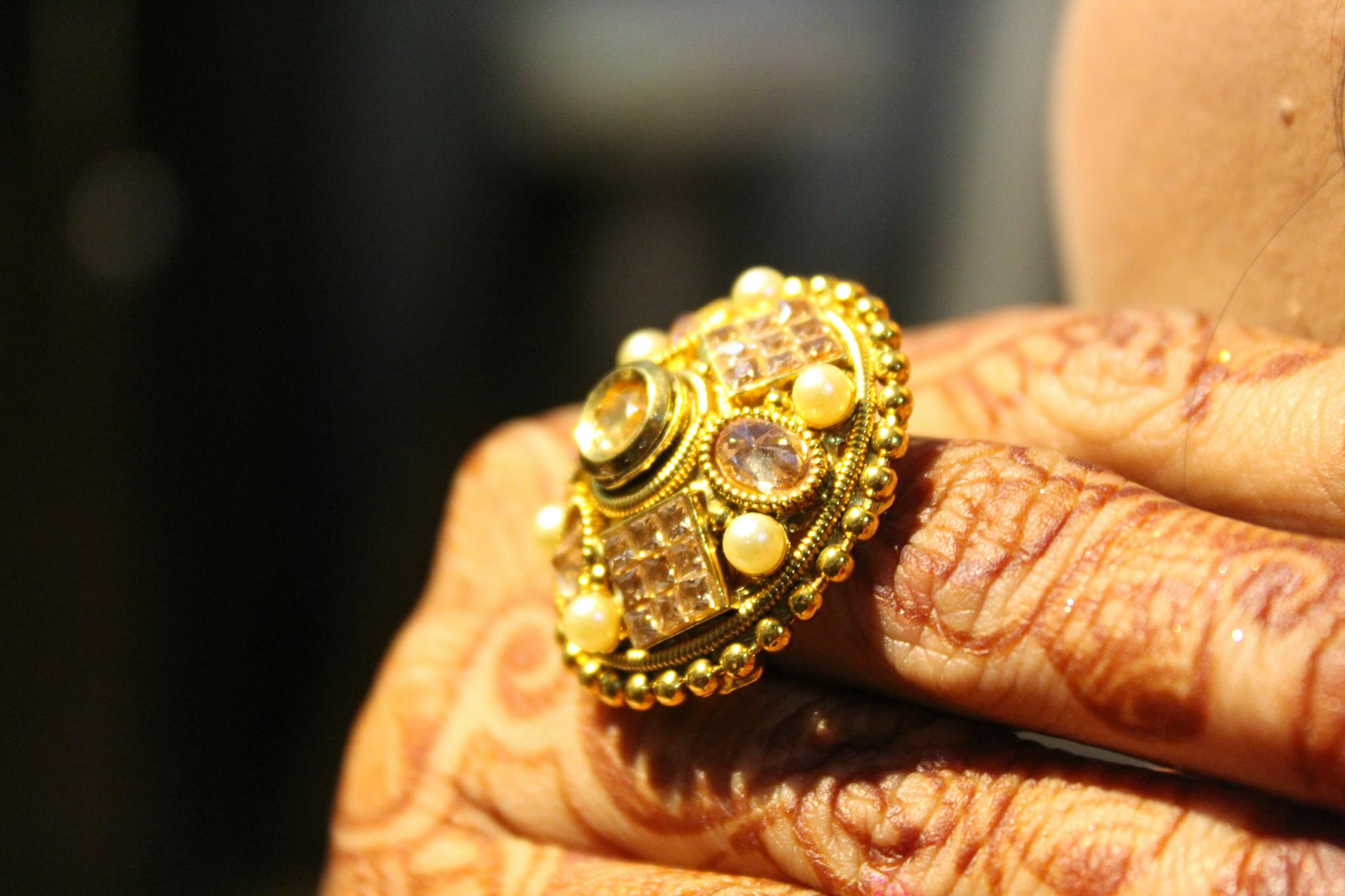
From there, a signature pendant adds personality”this might be a religious symbol, a custom piece, or a brand collaboration. The late designer Virgil Abloh famously wore a paperclip necklace that became iconic, demonstrating that impact matters more than material value. However, if you’re working in environments where flashy jewelry isn’t appropriate, consider smaller pieces that hint at streetwear sensibility without overwhelming”a subtle chain worn under a shirt collar, or quality rings that show when you gesture. Watches, rings, and bracelets offer additional opportunities for expression. The Casio G-Shock has become a streetwear staple due to its functional design and accessibility, while higher-end options like the Audemars Piguet Royal Oak represent the aspirational end of street-luxury crossover. Rings”particularly signet rings and chunky band styles”have seen increased adoption in men’s streetwear, offering subtle personal expression.

Sourcing Pieces: Retail, Resale, and Vintage Markets
Where you acquire streetwear matters both practically and culturally. Primary retail”buying directly from brands during releases”typically offers the best prices but requires planning around drop dates and often competing with bots and thousands of other buyers for limited pieces. Developing relationships with local boutiques that stock streetwear brands can provide advantages like early access or insider knowledge about upcoming releases. In major cities, shops like Union Los Angeles, Concepts in Boston, or Kith in New York function as cultural hubs beyond mere retail. The resale market, dominated by platforms like StockX, Grailed, and eBay, provides access to sold-out releases and vintage pieces but at marked-up prices. Resale pricing can range from modest premiums to multiples of retail for particularly hyped items.
This market requires education”learning to authenticate pieces, understanding fair pricing, and recognizing when hype has inflated value beyond reason. A shoe selling for three times retail the week after release might drop to near retail within months as hype fades; conversely, certain pieces appreciate over years as they become recognized classics. Vintage and secondhand shopping represents perhaps the most rewarding but time-intensive sourcing method. Thrift stores, estate sales, and vintage dealers occasionally yield remarkable finds”authentic pieces from brands’ earlier eras at fraction of current prices. The tradeoff is inconsistency; you might visit dozens of thrift stores before finding anything worthwhile, and when you do, it might not be your size. Geographic location matters significantly here, as thrift stores in areas with higher incomes and fashion awareness tend to yield better finds.
Common Mistakes That Undermine Personal Style Development
The most damaging mistake in streetwear is letting hype dictate your wardrobe rather than personal taste. When you buy pieces solely because they’re limited or because influencers are wearing them, you end up with a disjointed collection that doesn’t express anything coherent about who you are. Hype-driven purchasing also tends to be financially inefficient”you pay premium prices for items you wear once or twice before the next release captures your attention. Before any purchase, ask whether you would want this piece if it weren’t limited, if no one else would see you wearing it, and if it would still appeal to you in three years. If the answer to any of these is no, reconsider. Another common error is ignoring fit in pursuit of brand names. A well-fitting piece from a lesser-known brand will always look better than an ill-fitting piece from a prestigious label.
Streetwear’s generally relaxed silhouettes don’t mean fit doesn’t matter”they mean intentionality about *how* something is relaxed matters. Shoulders should still align with your natural shoulder (unless deliberately dropped for effect), and lengths should appear purposeful rather than accidental. Learning basic tailoring language and finding a tailor who understands streetwear aesthetics allows you to adjust pieces for optimal fit. Finally, neglecting care and maintenance undermines even the best wardrobe. Streetwear pieces”especially sneakers and graphic tees”require specific care to maintain their appearance. Printed graphics should be washed inside-out in cold water; sneakers need proper storage and cleaning routines; denim develops best when washed sparingly. Investing time in garment care extends the life of your pieces and keeps your overall presentation sharp.
Balancing Hype Pieces With Wardrobe Workhorses
A sustainable streetwear wardrobe typically follows a ratio where foundational basics outnumber statement pieces significantly. Consider allocating roughly seventy percent of your wardrobe to versatile, relatively understated pieces and thirty percent to attention-grabbing statement items. This ratio ensures you have enough basics to create varied outfits while your statement pieces retain their impact through selective deployment.
If every piece in your wardrobe demands attention, nothing stands out. For example, someone with a well-balanced streetwear wardrobe might own fifteen quality t-shirts in neutral colors, five to seven pairs of pants across different styles, several jackets and hoodies for layering, and then perhaps three to five pairs of notable sneakers, a few bold graphic pieces, and several meaningful jewelry items. The basics rotate daily; the statement pieces appear strategically. This approach also helps financially”instead of constantly chasing new releases for everything, you invest in quality basics once and focus acquisition energy on pieces that truly excite you.
Evolving Your Style Without Losing Your Identity
Personal style should develop over time as your tastes mature and life circumstances change. The streetwear aesthetic you cultivate at twenty may not serve you at thirty-five, and attempting to freeze your style at a particular moment leads to looking dated or out-of-touch. The key is evolving intentionally while maintaining threads of continuity that make your style recognizably yours.
Pay attention to pieces that remain in rotation year after year regardless of trends”these represent your genuine preferences rather than temporary enthusiasms. Perhaps you always gravitate toward earth tones, or consistently choose clean lines over busy graphics, or find yourself drawn to military-inspired details. These patterns constitute your stylistic fingerprint. As you evolve, these core preferences can manifest in new ways: the person who always loved bold graphics at twenty might express that preference through art-focused collaborations at forty, while someone who favored minimalist streetwear might naturally progress toward quiet luxury as their career advances.
Conclusion
Developing personal streetwear style is fundamentally about self-knowledge expressed through clothing choices. It requires understanding the culture’s history and current landscape, building a foundation of quality basics, strategically incorporating statement pieces and jewelry, and maintaining the patience to let your aesthetic evolve organically rather than chasing every new trend. The process takes time”expect to spend at least a year of intentional experimentation before your style feels fully cohesive and natural.
Start by auditing your current wardrobe, identifying what actually gets worn versus what sits neglected, and noting patterns in your preferences. Sell or donate pieces that don’t align with your emerging vision, and create a wishlist of items that would strengthen your wardrobe’s coherence. Approach new purchases thoughtfully, prioritizing pieces that fill genuine gaps over momentary desires. With consistent attention, your streetwear style will become a genuine expression of who you are rather than a costume assembled from other people’s ideas.