

The right accessories transform an ordinary outfit into a statement of personal style, and nothing accomplishes this more effectively than precious metals and fine jewelry. A well-chosen gold chain, a quality timepiece, or a pair of understated diamond studs can elevate basic streetwear to luxury casual, or take business attire from forgettable to commanding. The upgrade happens not through volume””piling on every piece you own””but through strategic selection that creates visual interest and communicates intentionality. Consider the difference between a plain white t-shirt with jeans versus the same outfit anchored by a substantial Cuban link chain in 14k gold.
The clothing remains identical, but the presence shifts entirely. The chain draws the eye, suggests financial success, and indicates that the wearer thinks carefully about presentation. This principle extends across all accessory categories: rings that catch light during conversation, bracelets that add movement to gestures, and earrings that frame the face. This article explores the mechanics of how accessories create these transformations, from understanding proportion and metal selection to building a versatile collection that serves multiple occasions. You will learn which pieces deliver the most impact per dollar, how to avoid common mistakes that undermine otherwise solid choices, and when restraint matters more than addition.
Table of Contents
- What Makes Jewelry the Most Powerful Accessory for Your Drip?
- Understanding Proportion and Scale in Accessory Selection
- The Role of Metal Choice in Building Cohesive Style
- Building a Versatile Jewelry Collection on Any Budget
- Common Mistakes That Undermine Your Accessory Game
- Matching Accessories to Occasions and Dress Codes
- The Investment Value of Quality Precious Metal Jewelry
- Conclusion
What Makes Jewelry the Most Powerful Accessory for Your Drip?
Jewelry holds unique advantages over other accessory categories because it combines permanence, material value, and versatility in ways that bags, belts, or hats cannot match. A gold rope chain works equally well under a blazer at dinner or over a hoodie at a weekend gathering. The same cannot be said for most fashion accessories, which tend toward context-specific applications that limit their utility. The material composition matters significantly. Precious metals””gold, platinum, and silver””carry inherent worth that costume jewelry and plated alternatives lack.
This distinction shows in the weight, the way light interacts with the surface, and crucially, in longevity. A solid 18k gold bracelet will outlast its owner, potentially becoming an heirloom, while a gold-plated piece from a fast fashion retailer will tarnish within months of regular wear. People notice this difference, often subconsciously, which affects how the wearer is perceived. However, precious metal jewelry requires a higher initial investment, and not every piece justifies that expense for every person. Someone building their first collection should prioritize versatile foundational pieces over trendy items that may feel dated within a year. A classic figaro chain or a simple signet ring will remain relevant through multiple fashion cycles, while an oversized pendant shaped like a current cultural moment may quickly become unwearable.
Understanding Proportion and Scale in Accessory Selection
The relationship between body type, clothing fit, and accessory scale determines whether pieces enhance or overwhelm an outfit. Larger frames can support heavier chains and bigger rings without appearing costume-like, while smaller builds benefit from more delicate pieces that maintain proportion. This is not about limiting options but about understanding which weights and dimensions create harmony rather than visual competition. Neckwear illustrates this principle clearly. A 2mm cable chain sits closer to delicate, suitable for layering or standalone subtlety. A 6mm Miami Cuban link makes a bolder statement and demands more visual real estate.
On a narrow neck and shoulders, that 6mm chain may dominate uncomfortably; on a broader frame, it reads as appropriately substantial. The same logic applies to bracelet width, ring band thickness, and earring size. Clothing fit interacts with these calculations. Slim-cut shirts and jackets leave less visual space, making medium-weight accessories feel proportionally larger. Oversized or relaxed fits create more room, allowing heavier pieces to integrate without overwhelming. The mistake many people make is selecting accessories in isolation, without considering what they typically wear. A chain that looked perfect in the store display case may feel entirely different against an actual wardrobe.
The Role of Metal Choice in Building Cohesive Style
Gold, silver, and platinum each carry distinct aesthetic associations, and mixing them requires more care than many assume. Yellow gold reads warm, traditional, and often luxurious depending on karat weight. White gold and platinum offer cooler tones that align with modern minimalism and pair naturally with silver-toned watches. Rose gold occupies middle ground, warm but contemporary, though it remains less versatile than the primary options. Consistency within an outfit generally produces cleaner results than mixing. If your watch features a silver-tone case, silver or white gold rings and bracelets create visual coherence.
Yellow gold accessories alongside that same watch can work, but the combination requires more intentionality””perhaps a deliberate contrast rather than an accidental clash. Platinum sits in interesting territory: it pairs acceptably with both white gold and, in some contexts, subtly complements yellow gold through contrast. For those building a collection from scratch, choosing one metal family as a foundation simplifies daily decisions. Yellow gold remains the most traditional choice with the widest range of available styles, from classic to contemporary. A person who consistently wears warm earth tones in their clothing will find yellow gold enhances that palette. Someone whose wardrobe leans toward black, white, gray, and navy may prefer the cool neutrality of white gold or silver, reserving a single statement piece in yellow gold for occasions when warmth serves the outfit.

Building a Versatile Jewelry Collection on Any Budget
Starting a collection requires distinguishing between foundational pieces that serve multiple purposes and statement pieces that work in narrower contexts. Foundations come first: a quality chain at moderate weight, a classic watch, one ring that fits daily wear. These pieces should feel comfortable enough to wear constantly and appropriate across your typical environments””office, social gatherings, casual weekends. The tradeoff between solid precious metal and plated alternatives comes down to usage patterns and timeline. A 14k gold chain costs significantly more than a gold-plated equivalent, but it will maintain its appearance for decades rather than months.
For someone who rotates through accessories frequently and enjoys trend-driven pieces, quality plated items might make sense for variety. For someone who wants to buy once and wear daily, the investment in solid metal pays dividends in durability and retained value. Statement pieces””larger pendants, gemstone-set rings, distinctive cuffs””deserve budget allocation only after foundations exist. A collection consisting entirely of statement pieces lacks the everyday backbone that makes accessories sustainable as habit. The person who owns only an iced-out pendant and flashy watch often ends up accessory-free on ordinary days because nothing in their collection suits the context. Balance means having reliable options for Tuesday morning alongside options for Saturday night.
Common Mistakes That Undermine Your Accessory Game
Over-accessorizing ranks as the most frequent error, particularly among those newly interested in jewelry. The impulse to display every owned piece simultaneously works against the goal of elevated presentation. Each additional item dilutes the impact of the others, creating visual noise rather than intentional style. The old guidance about removing one accessory before leaving the house contains genuine wisdom, even if it sounds prescriptive. Ignoring quality signals creates another common problem. A chain with a flimsy clasp, a ring that turns fingers green, or a bracelet that tangles constantly””these issues broadcast cheapness regardless of the design. Spending the same money on fewer, better-made pieces consistently outperforms accumulating quantity.
This applies even within precious metals: a poorly finished 10k gold chain looks worse than a well-crafted sterling silver alternative despite costing more. Neglecting maintenance undermines even excellent collections. Gold develops surface oils and dulls without periodic cleaning. Silver tarnishes. Gemstones collect residue behind settings that dims their sparkle. Simple cleaning routines””warm water, mild soap, soft cloth””preserve appearance and extend the lifespan of pieces. People notice dirty jewelry, and the impression it creates contradicts the purpose of wearing quality accessories in the first place.
Matching Accessories to Occasions and Dress Codes
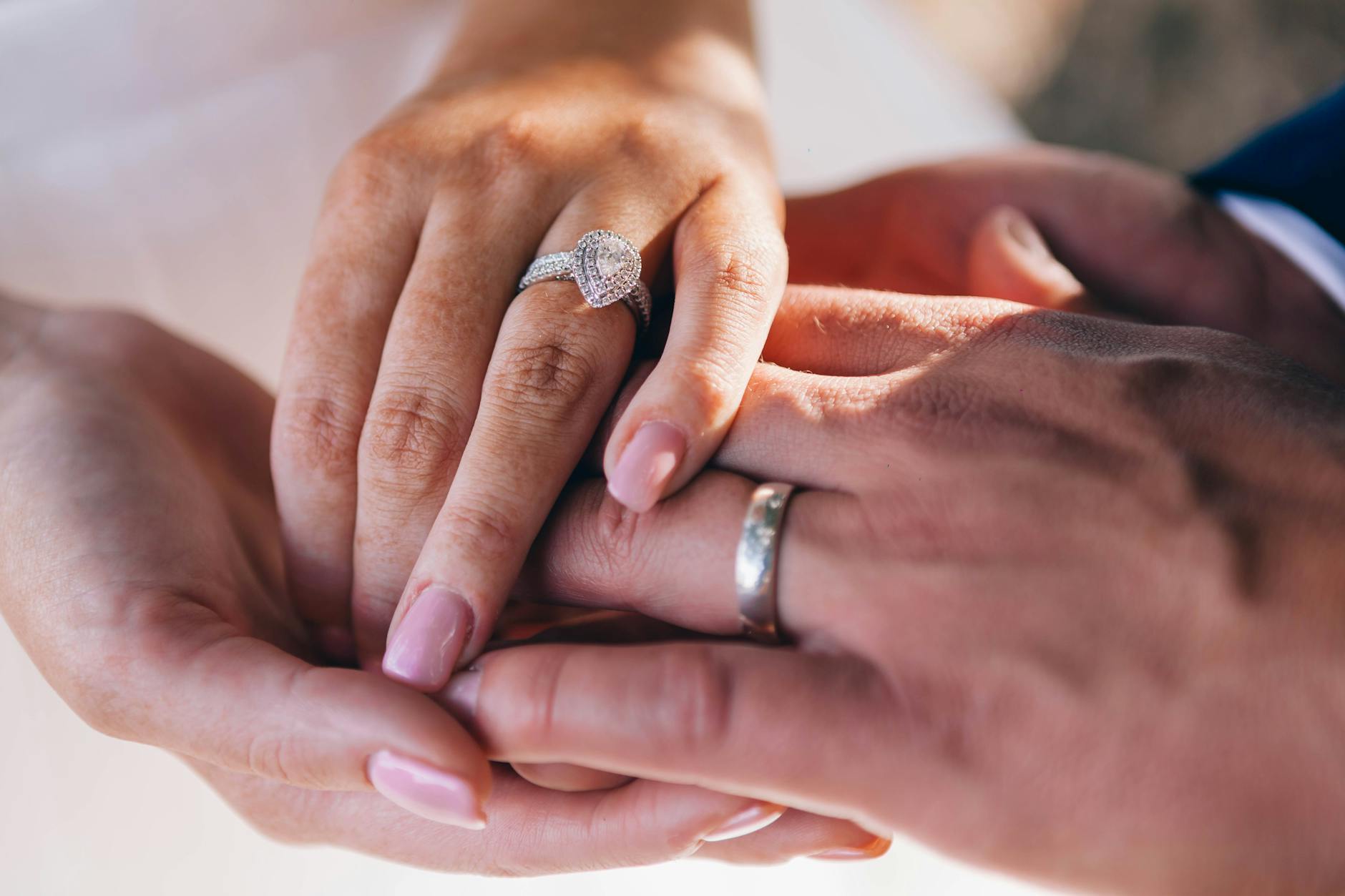
Context determines appropriateness more than personal preference, and understanding these boundaries prevents missteps. Business environments typically favor restraint: a quality watch, perhaps a wedding band, maybe subtle cufflinks. The goal is to suggest competence and attention to detail without distraction. Wearing a bold Cuban link to a conservative office interview, regardless of how much you value the piece, works against your interests.
Social settings offer more latitude, but the specific social setting matters. A nightclub welcomes visibility and flash; a gallery opening rewards understated sophistication. Learning to read these contexts and adjust accordingly demonstrates the maturity that accessories are meant to signal. The person who wears identical jewelry to every occasion””regardless of what that jewelry is””misses the point of having multiple pieces.
The Investment Value of Quality Precious Metal Jewelry
Beyond aesthetic function, precious metal jewelry retains and sometimes appreciates in value over time. Gold prices fluctuate with markets but have trended upward across decades. A chain purchased today at current gold prices represents stored value that can be recovered through sale if circumstances require. This distinguishes jewelry from purely consumptive fashion purchases that depreciate to zero.
Certain categories hold value better than others. Classic designs in timeless styles from recognized makers maintain resale markets. Custom or highly trend-specific pieces may struggle to find buyers at reasonable prices despite containing identical metal content. For those who view jewelry partially as wealth storage, favoring conservative designs from reputable sources makes practical sense alongside the style considerations.
Conclusion
Accessories upgrade your drip through strategic selection rather than accumulation. The transformation happens when pieces serve the outfit rather than compete with it, when quality materials communicate intentionality, and when proportion and context guide choices. Understanding these principles turns accessorizing from guesswork into skill.
Building toward this capability takes time and some inevitable learning experiences. Start with foundational pieces in quality materials, develop consistency in metal selection, and add statement items only after the basics exist. Pay attention to what works””on you and on others whose style you respect””and let that observation refine your instincts. The goal is not following rules mechanically but developing taste that makes the rules intuitive.