

Expensive streetwear can absolutely be worth the investment, but only under specific conditions: when you prioritize quality construction over logo appeal, when you factor in resale potential, and when you calculate the true cost-per-wear over time. Consider this straightforward math””a $120 hoodie that lasts five years costs less over its lifetime than cycling through $40 fast-fashion alternatives every few months. The distinction becomes even clearer when you examine how fast fashion items typically last fewer than 10 wears before showing visible wear and tear, while quality streetwear pieces built with tighter weaves, heavier fabrics, and reinforced seams can remain part of your rotation for years. However, the answer shifts dramatically when hype becomes the primary driver of your purchase.
Spending $500 on a Supreme Box Logo crewneck that retailed at $158 purely because of scarcity represents a fundamentally different calculation than investing in well-constructed pieces that serve your wardrobe. The global streetwear market has grown to over $206 billion in 2025, and within that enormous ecosystem, you’ll find everything from legitimately premium craftsmanship to overpriced basics riding brand recognition alone. This article breaks down when expensive streetwear delivers genuine value, how to evaluate quality versus hype, the surprising economics of resale markets, and practical frameworks for deciding where to put your money. Whether you’re building a rotation that holds its value or simply want pieces that won’t fall apart after a season, understanding these dynamics helps you make purchasing decisions you won’t regret.
Table of Contents
- What Actually Makes Expensive Streetwear Worth the Price Tag?
- The Resale Economics That Change the Calculation
- Why Consumer Spending Patterns Have Shifted Toward Quality
- Warning Signs That Expensive Streetwear Isn’t Worth It
- The Sneaker Market as a Streetwear Investment Benchmark
- Where Streetwear Value Is Heading in 2026 and Beyond
- Conclusion
What Actually Makes Expensive Streetwear Worth the Price Tag?
The value proposition of expensive streetwear rests on three pillars: material quality, construction techniques, and longevity. Premium streetwear brands typically use heavier fabric weights, tighter weave densities, and reinforced seams at stress points””details that translate directly to how long a garment survives regular wear. When the fashion industry produces over 100 billion garments annually, with most worn just seven times before being discarded, pieces that genuinely last represent a departure from disposable clothing culture. Construction differences become apparent when you compare a premium hoodie to its fast-fashion equivalent side by side.
Quality indicators include double-stitched seams, properly finished hems, substantial ribbing at cuffs and waistband, and fabric that doesn’t pill or thin after washing. Brands originally designed for durability rather than fashion statements””like Carhartt, which started making workwear for industrial laborers””have found their way into streetwear precisely because their construction standards exceed what most fashion-focused labels deliver. The limitation here matters: brand prestige alone doesn’t guarantee quality. A $300 hoodie from a hyped label can use identical materials to a $60 option from a less-known brand. Learning to evaluate construction independent of logos becomes essential for anyone serious about getting value from their streetwear spending.

The Resale Economics That Change the Calculation
streetwear occupies a unique position in fashion because certain pieces appreciate rather than depreciate. The resale market, projected to reach $30 billion globally by 2030, has transformed how collectors think about purchases. When 70% of streetwear shoppers actively consider resale value before buying, these pieces function more like assets than typical clothing. The numbers tell a striking story. Supreme items have averaged over 1,000% markups on certain releases.
The Louis Vuitton x Supreme hoodie from Fall/Winter 2017, which retailed around $1,000, now sells regularly for north of $4,000. Fragment Design collaborations with Nike have surpassed $1 million in cumulative resale value. StockX crossed $1 billion in transactions in 2019 and approached $1.2 billion in 2022, while Grailed has seen over 50 million items listed on its platform. However, treating streetwear as an investment requires understanding that most pieces don’t appreciate””only specific collaborations, limited releases, and certain brand archives consistently gain value. If you miss a drop by minutes, you might pay 250% markup on the secondary market for something that sits unworn in your closet. The consumers who profit from resale typically possess deep knowledge of which releases hold value and the discipline to keep items in pristine condition.
Why Consumer Spending Patterns Have Shifted Toward Quality
The streetwear consumer has matured considerably from the early hype-driven days. Current spending patterns reveal that 54% of consumers invest $100 to $500 monthly on streetwear, while 18% spend over $500. Per-item spending shows similar commitment, with 56% willing to pay $100 to $300 on a single piece. These aren’t impulse purchases””they reflect deliberate allocation of clothing budgets toward fewer, better items. This shift connects to broader changes in how people evaluate fashion purchases. The trend toward “quiet luxury” aesthetics has influenced streetwear, with consumers gravitating toward premium, underground labels rather than logo-heavy pieces. The appeal now lies in recognizable quality rather than recognizable branding””a subtle but significant evolution from the Supreme Box Logo era. Collaborations still drive significant demand, increasing interest by 60% for streetwear releases and boosting brand engagement by 80% for limited edition drops. But the nature of desirable collaborations has shifted toward partnerships that represent genuine creative synthesis rather than simple logo mashups. The consumer who spent $4,000 on that Louis Vuitton x Supreme hoodie likely values its historical significance as the moment streetwear definitively merged with traditional luxury””not just the combination of two recognizable logos.
## How to Calculate True Cost-Per-Wear for Streetwear Purchases Cost-per-wear analysis strips away emotion and brand loyalty to reveal whether a purchase actually makes financial sense. The calculation is straightforward: divide the purchase price by the number of times you realistically expect to wear the item. A $120 hoodie worn twice weekly for five years””roughly 520 wears””costs about 23 cents per wear. A $40 fast-fashion hoodie that looks worn out after six months of similar use””around 52 wears””costs about 77 cents per wear. The comparison favors quality even more dramatically when you factor in replacement costs. If you need to buy three $40 hoodies over the same five-year period to replace the one premium option, your actual spending totals $120 for fast fashion versus $120 for quality streetwear””with the quality piece still likely wearable while you’re discarding the third cheap alternative. The environmental calculation matters too: the fashion industry’s staggering overproduction creates waste that quality purchasing patterns can partially address. The tradeoff involves upfront cost and fashion risk. A $40 hoodie that falls apart after a trend passes costs less than a $120 piece that outlasts its cultural moment. If you’re buying purely trend-driven pieces you’ll abandon regardless of condition, spending less makes sense. Quality investment works best for foundational pieces””solid-color hoodies, well-constructed tees, versatile outerwear””that transcend seasonal trends.

Warning Signs That Expensive Streetwear Isn’t Worth It
Not all expensive streetwear delivers value proportional to its price. Several red flags indicate you’re paying for brand recognition rather than quality. First, compare fabric weight and construction to less expensive alternatives””if you can’t identify meaningful differences, the premium exists purely in branding. Second, examine resale trajectories for similar pieces from the brand. If previous releases consistently drop below retail on secondary markets, you’re not buying scarcity value. The collaboration trap catches many buyers.
While certain partnerships produce genuinely elevated products, others simply apply a desirable logo to standard inventory. A graphic tee collaboration that uses identical blank fabric to the brand’s basic line offers no quality justification for a higher price point””you’re purchasing the collab name alone. Supreme graphic tees retail at $38-$48, which remains reasonable, but paying secondary market premiums for pieces without resale history or construction upgrades rarely makes sense. Watch for the hype cycle disconnect. If you’re buying a piece because social media creates urgency rather than because it genuinely fits your style and needs, you’re likely to regret the purchase. The brands and resale platforms benefit from creating artificial scarcity and FOMO; your wardrobe doesn’t benefit from clothes you bought for status rather than wear.
The Sneaker Market as a Streetwear Investment Benchmark
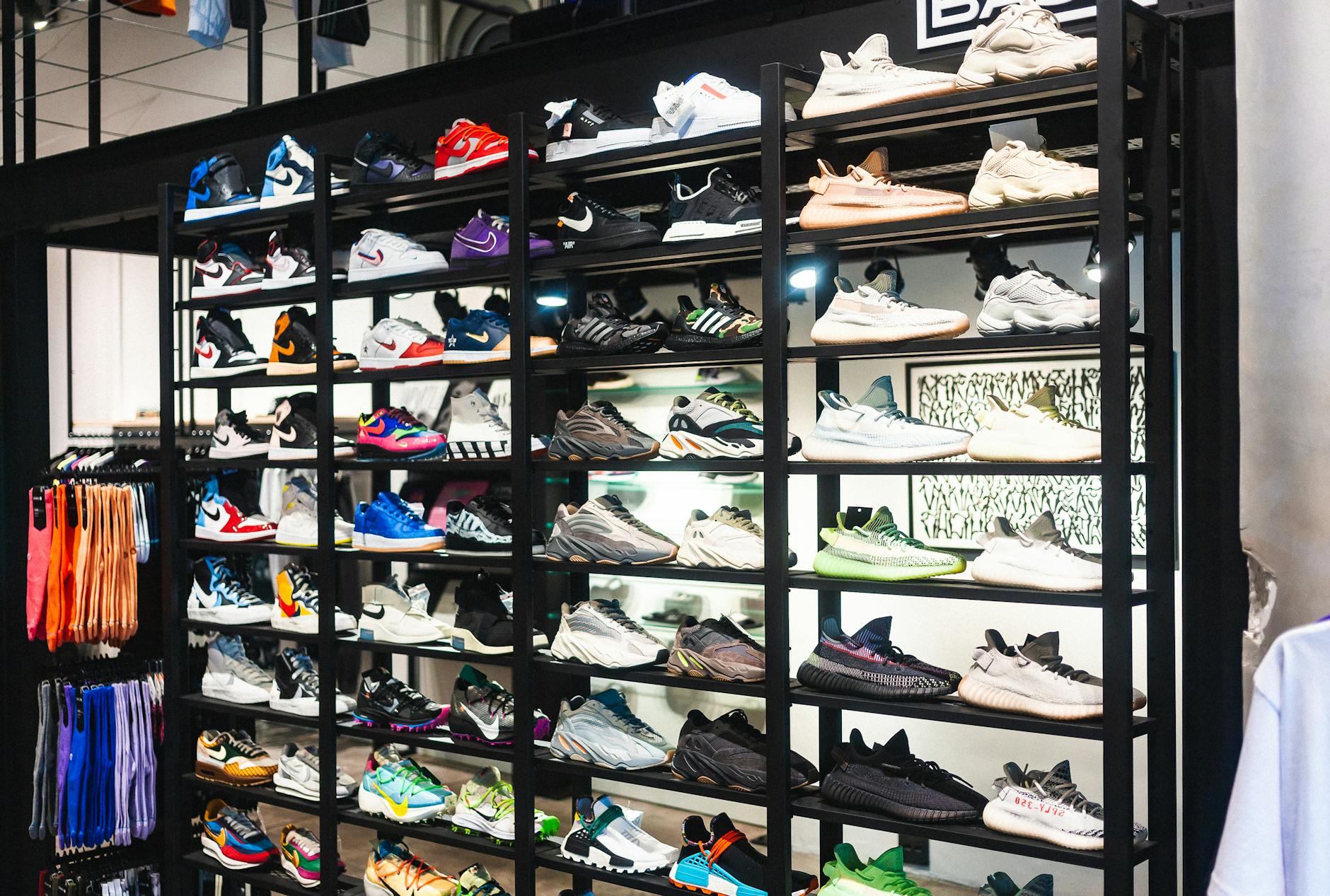
Sneakers offer the clearest window into streetwear economics because the market is enormous and highly tracked. Worth $85 billion in 2022 and expected to reach $120 billion by 2026, sneakers account for approximately 30% of the entire streetwear market. High-demand sneakers routinely exceed original retail price by 150%, with over 20 million resale transactions occurring annually.
The sneaker market demonstrates both the potential and the pitfalls of treating streetwear as investment. Fragment Design x Nike collaborations reaching $1 million in resale value represent the ceiling””but for every Jordan collaboration that appreciates, dozens of general releases depreciate the moment they leave the store. Success requires either genuine passion for sneaker culture and the knowledge that comes with it, or acceptance that you’re buying to wear rather than to flip.
Where Streetwear Value Is Heading in 2026 and Beyond
Market projections suggest the streetwear industry will reach $293-296 billion by 2035, growing at a steady 3.6% CAGR. More significant than the raw numbers is the qualitative shift underway. Consumer priorities are moving toward quality over pure hype, with growing interest in premium underground labels that emphasize craftsmanship. The “quiet luxury” influence means the loudest pieces may no longer command the highest premiums.
The secondhand apparel market, valued at $197 billion in 2023 and projected to grow by $100 billion by 2026, suggests that resale will become increasingly central to how people buy and sell streetwear. StockX saw 40% year-over-year increases in streetwear listings, indicating both supply and demand growth in authenticated resale. For buyers, this means more options to find quality pieces below retail. For sellers, it means competition is intensifying””only genuinely desirable items will command premiums.
Conclusion
Expensive streetwear is worth it when the premium pays for genuine quality differences: better materials, superior construction, and longevity that translates to lower cost-per-wear over time. It’s also worth it when you understand the resale market well enough to identify pieces that hold or appreciate in value. The $206 billion streetwear market contains both legitimate investments and overpriced hype””distinguishing between them requires examining construction, understanding market dynamics, and being honest about whether you’re buying to wear or to flex.
The practical approach involves investing in quality for foundational pieces you’ll wear regularly while being more price-conscious with trend-driven items. Calculate cost-per-wear for major purchases. Research resale trajectories before paying secondary market premiums. And remember that the best streetwear value often comes from brands built on durability rather than hype””pieces that look better with wear rather than falling apart after a few months.