

The sneakers that will instantly elevate your outfit are clean, minimalist designs in premium materials””specifically white leather low-tops, luxury brand collaborations, and designer sneakers with refined silhouettes. A pair of Common Projects Achilles Low in white leather or Golden Goose Superstar sneakers can transform a simple blazer-and-trousers combination into something deliberately sophisticated, while chunky retro runners like New Balance 550s or Nike Dunk Lows add curated streetwear credibility to casual ensembles. The key distinction lies in quality of construction, simplicity of design, and the subtle signals that separate intentional fashion choices from purely functional footwear. Consider the difference between wearing generic athletic shoes with tailored clothing versus stepping out in a pair of Maison Margiela Replica sneakers.
The former reads as unintentional; the latter communicates awareness and taste. This principle applies whether your personal style leans minimal, streetwear-influenced, or somewhere in between. The right sneaker acts like a well-chosen accessory””comparable to selecting an understated gold bracelet over costume jewelry””where the impact comes from discernment rather than flash. This article explores which sneaker styles deliver the most versatile wardrobe impact, how to match sneakers with different outfit categories, the materials and construction details that signal quality, and where the line falls between investment-worthy purchases and diminishing returns. Whether building a capsule sneaker collection or selecting a single elevated pair, these considerations will guide more confident choices.
Table of Contents
- Which Sneaker Styles Offer the Most Outfit Versatility?
- Understanding Premium Materials and Construction Quality
- Pairing Sneakers with Tailored and Semi-Formal Outfits
- Building a Capsule Sneaker Collection for Maximum Wardrobe Impact
- Common Mistakes That Undermine Sneaker Styling
- The Rise of Luxury Sneaker Collaborations
- What the Future Holds for Elevated Sneaker Style
- Conclusion
Which Sneaker Styles Offer the Most Outfit Versatility?
Low-top leather sneakers in white, off-white, or cream consistently rank as the most versatile option across style contexts. Their clean profile works beneath tailored trousers at a gallery opening and pairs equally well with relaxed denim on a weekend afternoon. The absence of excessive branding, contrasting panels, or athletic performance features allows these sneakers to function almost like dress shoes for the contemporary wardrobe. Common Projects, Koio, and Oliver Cabell have built entire brands around this formula, recognizing that restraint often communicates more sophistication than complexity. Retro basketball and tennis silhouettes occupy the second tier of versatility.
The Adidas Stan Smith, Nike Air Force 1 in all-white, and New Balance 550 have achieved ubiquity precisely because their heritage designs read as classics rather than fleeting trends. However, these options require slightly more casual contexts””pairing Air Force 1s with a formal suit risks looking like a commuter who forgot to change shoes, while the same sneakers under wide-leg chinos and an unstructured blazer appear purposefully relaxed. Designer sneakers from houses like Gucci, Balenciaga, or Bottega Veneta demand the most careful styling consideration. Their elevated price points and recognizable aesthetics can overwhelm understated outfits or clash with competing statement pieces. A pair of Bottega Veneta Lido sneakers works beautifully with simple, high-quality basics where the footwear becomes the focal point, but combining them with logo-heavy clothing or flashy jewelry often produces visual noise rather than cohesion.
Understanding Premium Materials and Construction Quality
The difference between a sneaker that elevates and one that merely functions often comes down to leather quality, sole construction, and finishing details. Full-grain Italian leather develops a distinctive patina over time, softening and conforming to the foot while maintaining structural integrity. Cheaper alternatives use corrected-grain leather””sanded and coated to hide imperfections””which tends to crack and peel rather than age gracefully. This distinction mirrors the precious metals market, where solid gold pieces appreciate while plated items deteriorate. Margom soles have become something of an industry standard for premium minimalist sneakers, appearing on brands ranging from Common Projects to Axel Arigato. These Italian-made rubber outsoles offer superior durability and a refined appearance compared to typical athletic shoe construction.
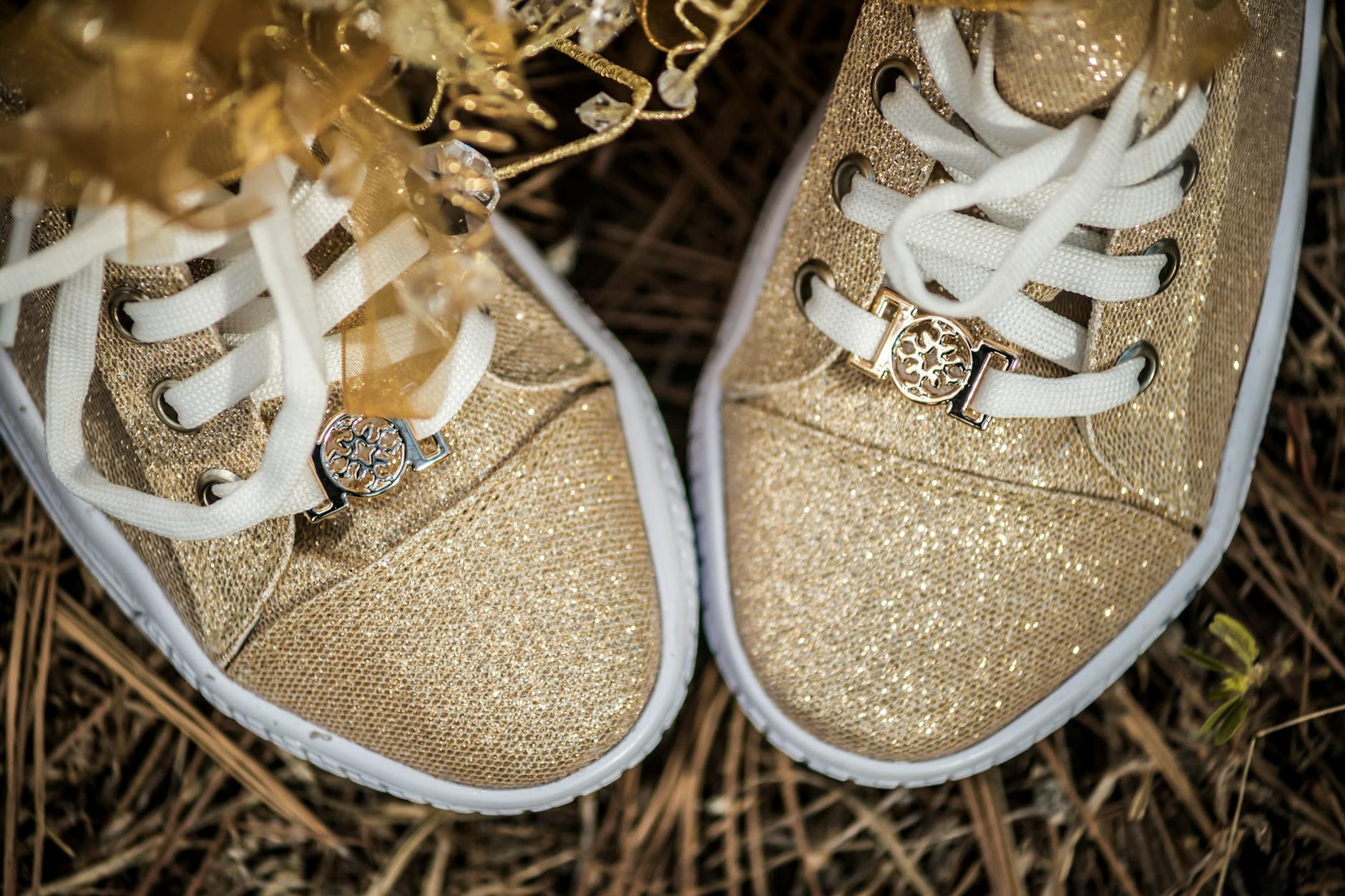
The stitching should be even and tight, with no visible glue overflow at seams. Interior linings in quality sneakers typically use leather rather than synthetic materials, which improves comfort and breathability while signaling attention to unseen details. However, premium materials alone do not guarantee style elevation if the design itself lacks restraint. Some luxury brands charge substantial premiums for sneakers featuring excessive ornamentation, bold colorways, or chunky proportions that date quickly. A three-thousand-dollar sneaker covered in crystals or dramatic hardware will look conspicuously dated within seasons, while a three-hundred-dollar leather sneaker in a timeless silhouette continues serving the wardrobe for years. The investment calculation should weigh timelessness against trend-driven appeal.
Pairing Sneakers with Tailored and Semi-Formal Outfits
The suit-and-sneakers combination has evolved from fashion-week provocation to mainstream acceptability, but execution matters significantly. The most successful pairings involve relaxed tailoring””unstructured blazers, slightly cropped trousers, softer shoulder construction””rather than traditional business suiting. A navy wool suit with natural shoulders, minimal padding, and trousers that break just above the ankle creates an ideal frame for clean white sneakers. The same sneakers beneath a power suit with strong shoulders and full-break trousers reads as costume rather than style. Texture and proportion deserve careful attention. Chunky sneakers with exaggerated soles visually compete with tailored clothing’s refined lines, while slim-profile sneakers complement the intentional fit.
Similarly, the trouser hem should reveal the sneaker’s full profile rather than pooling over the shoe””this exposure is the entire point of choosing sneakers over traditional footwear. Some style guides suggest matching sneaker accents to other outfit elements; a sneaker with tan leather detailing might echo a leather watch strap or belt, creating subtle visual continuity. Occasions dictate appropriateness more than any style rule. Creative industries, casual social gatherings, and personal time accommodate sneakers with tailored clothing freely. Traditional corporate environments, formal events, and conservative professional contexts still expect conventional footwear, and attempting sneaker-suiting in these settings can undermine credibility. Reading the room prevents the kind of misjudgment that transforms intentional style into apparent cluelessness.

Building a Capsule Sneaker Collection for Maximum Wardrobe Impact
A three-sneaker rotation covers most style needs without redundancy. The foundation pair should be white or off-white leather low-tops””the equivalent of a signature piece that works with essentially everything. The second pair introduces casual versatility through a retro athletic silhouette in a neutral colorway; gray New Balance 990s or tan Adidas Sambas fill this role effectively. The third slot accommodates personal expression, whether through a designer statement sneaker, a bold color, or a heritage style with nostalgic significance. This approach involves tradeoffs. Investing more heavily in fewer pairs””perhaps one truly exceptional sneaker rather than several adequate ones””works for those with consistent style preferences and lower variety requirements.
Conversely, someone whose wardrobe spans multiple aesthetics might prefer distributing budget across more options, accepting lower individual quality for greater versatility. Neither approach is objectively superior; the calculation depends on how you actually live and dress. Maintenance extends sneaker lifespan considerably. White leather benefits from regular cleaning with specialized products, protective sprays that resist staining, and cedar shoe trees that absorb moisture and maintain shape. Rotating between pairs rather than wearing the same sneakers daily allows materials to fully dry and recover between uses. Premium sneakers treated carelessly deteriorate faster than modestly priced pairs given proper attention””another parallel to fine jewelry, where storage and care determine longevity as much as initial quality.
Common Mistakes That Undermine Sneaker Styling
Over-coordination represents one of the most frequent errors. Matching sneaker colors exactly to shirt patterns, belt materials, and accessory details produces a costume-like effect that signals trying too hard. Effective styling involves relationships rather than matches””a sneaker might share a general color temperature with other outfit elements without precise correspondence. The difference resembles coordinating metals in jewelry: complementary gold tones work together without requiring identical karat weights or finishes. Condition undermines even the best sneaker choices. Scuffed leather, yellowed soles, worn-down heels, and overall dirtiness transform any sneaker from style asset to liability.
This limitation applies particularly to white sneakers, where visible wear reads as neglect rather than character. Some vintage and distressed aesthetics deliberately incorporate wear patterns””Golden Goose’s pre-distressed styles being the obvious example””but this controlled imperfection differs from actual deterioration. Knowing when sneakers have moved from pleasantly broken-in to unacceptably shabby requires honest self-assessment. Logo visibility creates another pitfall. Heavily branded sneakers can dominate outfits and communicate status-seeking rather than taste, particularly when combined with other visible luxury markers. A sneaker with a discreet logo or none at all allows the design and material quality to communicate value rather than relying on brand recognition. This principle holds especially true when combining sneakers with fine jewelry””competing visual statements dilute each other’s impact, while restraint in one area allows the other to shine.

The Rise of Luxury Sneaker Collaborations
Limited-edition collaborations between heritage sneaker brands and luxury fashion houses have created a distinct market segment where athletic footwear meets high fashion. The Dior x Nike Air Jordan 1, Tiffany x Nike Air Force 1, and Louis Vuitton x Nike collaborations attracted buyers who would never have considered conventional athletic sneakers. These pieces function partly as footwear and partly as collectibles, with secondary market prices often exceeding retail significantly.
For practical wardrobe use rather than collecting, collaboration sneakers offer mixed value. The Dior Jordan 1, for instance, pairs the recognizable basketball silhouette with premium materials and subtle Dior monogramming that reads as sophisticated rather than athletic. However, the combination of high initial cost, limited availability, and potential for rapid style dating makes these purchases speculative. Someone seeking reliable outfit elevation finds better value in non-collaborative designer sneakers or premium minimalist brands whose timelessness is more predictable.
What the Future Holds for Elevated Sneaker Style
Sustainability and craftsmanship are increasingly influencing the premium sneaker market. Brands like Veja built substantial followings by emphasizing ethical sourcing and environmental responsibility alongside clean design. This shift reflects broader luxury market trends where provenance, transparency, and responsibility carry growing weight among discerning consumers.
The parallel to responsibly sourced precious metals and conflict-free gemstones is direct””quality-conscious buyers now extend their values to all premium purchases. The definition of “elevated” continues expanding beyond traditional European minimalism to include heritage styles from diverse origins, artisanal construction methods, and designs that prioritize longevity over seasonal trends. As sneakers have become permanent fixtures in sophisticated wardrobes rather than casual alternatives, the market responds with options that meet higher expectations for materials, construction, and design refinement. The sneakers worthy of pairing with fine jewelry today barely resemble the athletic footwear of decades past.
Conclusion
Sneakers that genuinely elevate outfits share common characteristics: premium materials (particularly quality leather), restrained design without excessive branding or ornamentation, timeless silhouettes that transcend seasonal trends, and construction quality that improves with age rather than deteriorating. White leather low-tops from brands like Common Projects offer the most versatile foundation, while heritage athletic silhouettes and carefully chosen designer options expand a collection’s range. The selection process benefits from the same principles that guide any considered luxury purchase.
Quality justifies investment when it delivers lasting value; trends warrant skepticism when they demand premium prices for temporary appeal. Maintenance and care extend the return on investment. And restraint in combination””whether pairing sneakers with tailored clothing or coordinating footwear with fine jewelry””allows individual pieces to communicate clearly rather than competing for attention. The right sneaker, like the right accessory, speaks through understatement rather than volume.