

Styling sneakers with everyday outfits comes down to three principles: matching the formality of your sneaker to your clothing, coordinating colors without being too matchy, and using accessories like jewelry to bridge the gap between casual footwear and polished looks. A pair of clean white leather sneakers works with dark denim and a blazer for dinner, while chunky athletic trainers pair better with relaxed trousers and oversized layers for weekend errands. The key distinction is understanding that sneakers exist on a spectrum from refined to sporty, and your clothing choices should sit at roughly the same point on that spectrum.
Consider someone wearing tailored wool trousers with minimalist Common Projects-style sneakers and a gold chain bracelet””the outfit reads as intentional and elevated. Swap those sleek sneakers for neon running shoes, and the same trousers suddenly look confused. This article covers how to build outfits around different sneaker silhouettes, which jewelry and accessories elevate casual looks, common mistakes that undermine the sneaker-and-streetwear aesthetic, and how to adapt these principles across seasons and occasions.
Table of Contents
- What Makes Sneakers Work With Different Everyday Outfits?
- How Jewelry Transforms Casual Sneaker Looks
- Building Outfits Around Sneaker Silhouettes
- Seasonal Adjustments for Sneaker Styling
- Common Mistakes That Undermine Sneaker Outfits
- Matching Sneakers to Specific Occasions
- The Investment Case for Quality Sneakers
- Conclusion
What Makes Sneakers Work With Different Everyday Outfits?
The foundation of sneaker styling lies in visual weight and occasion appropriateness. Slim, low-profile sneakers in neutral colors carry less visual weight and therefore integrate into dressier contexts more easily. A white leather tennis shoe from brands like Koio or Oliver Cabell essentially functions as a casual alternative to a loafer””it works beneath chinos, linen trousers, or even unstructured suits in warm-weather settings. Bulkier sneakers with visible technology, bright colors, or athletic branding carry more visual weight and demand clothing that can match that energy without looking formal or stuffy. The fabric and finish of your sneaker matters as much as the shape.
Leather and suede sneakers read more refined than mesh or synthetic materials. A gray suede sneaker from New Balance’s Made in USA line can anchor a business-casual outfit in creative industries, while a similar gray sneaker in technical mesh belongs with joggers and hoodies. This distinction helps explain why some sneakers transition seamlessly from gym to restaurant while others look conspicuously out of place the moment you step beyond the sidewalk. Color coordination follows a simple hierarchy: neutral sneakers (white, black, gray, navy, tan) offer maximum versatility, while statement colors or patterns require more deliberate outfit planning. Someone building a foundational sneaker rotation would benefit more from a clean white pair and a versatile black or gray option than from two colorful limited editions, no matter how aesthetically appealing the latter might be.

How Jewelry Transforms Casual Sneaker Looks
Adding fine jewelry to sneaker-based outfits creates what stylists call “high-low contrast”””the deliberate mixing of casual and elevated elements that signals intentionality rather than laziness. A simple gold chain necklace visible beneath a crewneck sweatshirt communicates that the relaxed clothing was a choice, not a default. Similarly, a quality watch or bracelet stack draws the eye toward refined details that balance out the inherently casual nature of sneakers. The metals you choose should complement your sneaker hardware and other accessories. If your preferred sneakers feature silver eyelets or metallic accents, silver or white gold jewelry creates visual continuity.
Warm-toned gold works better with sneakers in cream, tan, or earth tones. However, if your outfit already includes multiple metallic elements””a belt buckle, watch, and ring, for example””introducing a conflicting metal on your footwear can create visual noise. The solution is either committing to one metal family or separating mixed metals by significant distance (wrist jewelry in gold, sneakers with silver details). Statement rings and layered bracelets have particular synergy with sneaker culture because both emerge from communities that value self-expression through accessories. A chunky signet ring or a tennis bracelet adds personality to the simplest outfit without requiring any change to the clothing itself. This explains why jewelry has become increasingly prominent in streetwear photography and sneaker marketing””the accessories do substantial work in elevating otherwise basic looks.
Building Outfits Around Sneaker Silhouettes
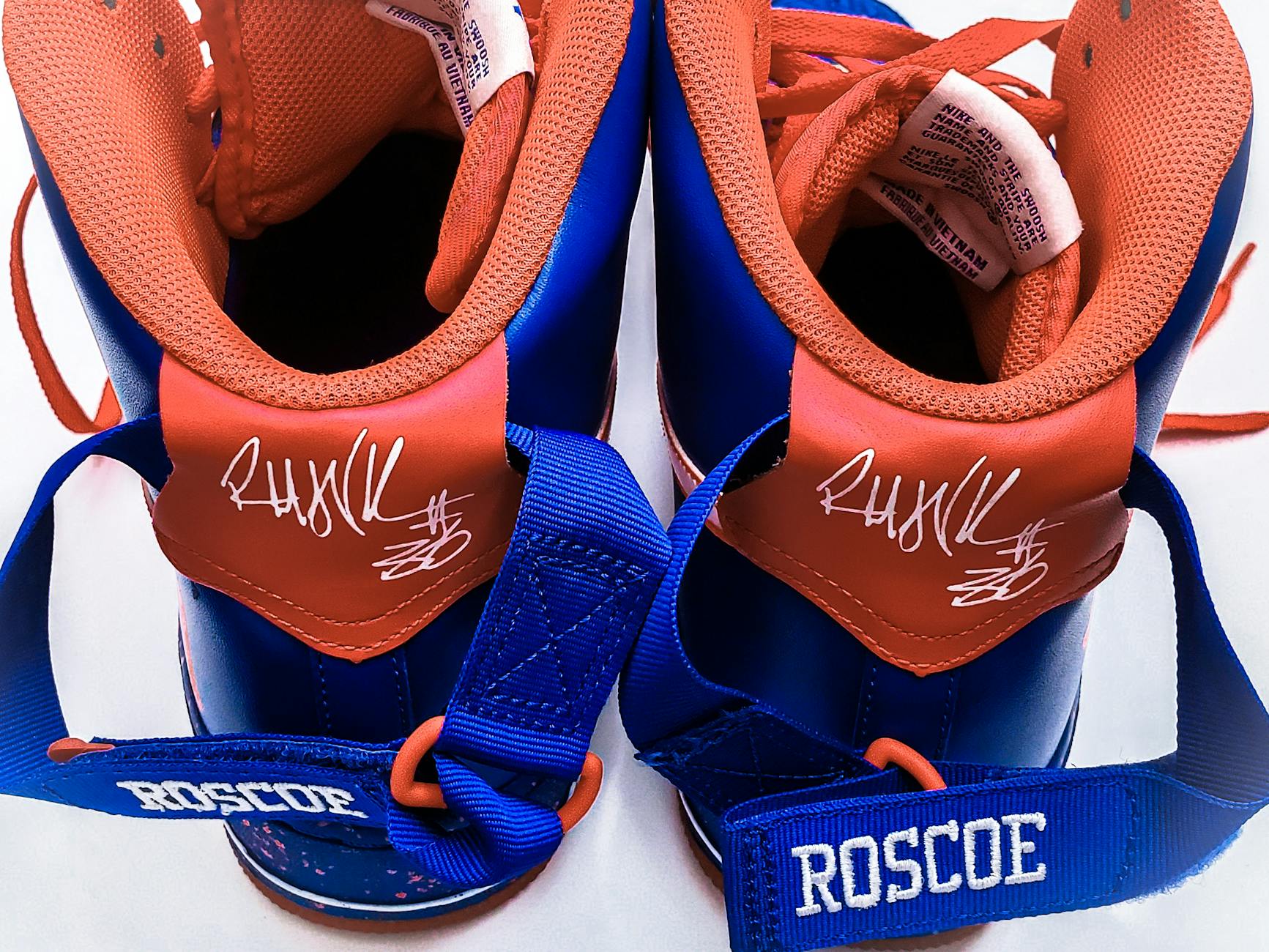
Different sneaker categories demand different styling approaches. Low-top minimalist sneakers work with cropped or tapered trousers that show ankle, creating clean sight lines from hem to shoe. The slight break or no-break trouser length popular in contemporary menswear developed partly because it flatters this sneaker style. High-top sneakers and chunky basketball-inspired designs need more volume in the pants to maintain proportion””wide-leg trousers, relaxed denim, or pants that stack slightly over the shoe. For example, Nike Dunks and similar mid-height sneakers look best when the trouser hem either sits cleanly above the shoe’s ankle padding or covers part of it with a relaxed drape.
The awkward middle ground where pants end exactly at the padding’s midpoint creates visual tension that makes both elements look wrong. Testing this fit while seated matters too, since pants ride up and reveal more of the shoe when you sit down. Athletic running sneakers present the greatest styling challenge because their design language communicates sport and performance rather than fashion. They work best in athleisure contexts””joggers, technical pants, performance fabrics””or in deliberately maximalist outfits where the sneaker’s busy design becomes part of an overall aesthetic rather than an outlier. Attempting to dress up running sneakers with tailored clothing almost always fails because the formality mismatch is too severe.
Seasonal Adjustments for Sneaker Styling
Summer sneaker styling favors lighter colors, breathable materials, and showing more skin through cropped pants, shorts, or rolled cuffs. White and off-white sneakers peak in usefulness during warm months, pairing with linen trousers, cotton shorts, and short-sleeve button-downs. The lack of socks or use of no-show socks maintains the light, easy aesthetic that summer demands. Gold jewelry in particular pops against sun-touched skin and white sneakers during this season. Transitional and cold-weather styling requires more deliberate layering and color choices.
Suede sneakers in tobacco, olive, or burgundy tones work better than white when rain threatens or when your outfit includes heavier fabrics like wool and corduroy. However, if you live somewhere with genuine winter conditions””snow, salt, slush””sneakers become impractical for much of the season regardless of styling considerations. Leather sneakers with weather-resistant treatments can handle light rain and cold temperatures, but expecting canvas or suede to survive a Northeastern February sets up both the shoes and the outfits for failure. The comparison between summer and winter sneaker styling reveals an important limitation: sneakers are fundamentally fair-weather footwear. Attempting to force them into contexts where boots or weatherproof shoes make more sense usually results in ruined sneakers and uncomfortable feet. Accepting this seasonal constraint makes the sneakers you do own last longer and look better when conditions favor wearing them.
Common Mistakes That Undermine Sneaker Outfits
The most frequent error is combining sneakers with clothing that’s too formal for any sneaker to work. Wearing athletic sneakers with a suit intended for a job interview or business meeting doesn’t read as fashionably subversive””it reads as someone who doesn’t own dress shoes. Even in creative industries where sneakers and suits have genuine currency, the sneakers need to be clean, minimal, and clearly chosen with intention rather than convenience. Another common mistake involves proportional mismatches between sneaker size and leg opening. Chunky sneakers beneath skinny jeans create an unfortunate optical illusion that makes feet look enormous and legs look spindly.
The opposite problem””slim sneakers beneath very wide pants””makes the sneakers disappear entirely and removes the visual anchor that footwear provides. Testing outfits in a full-length mirror before leaving helps catch these proportion problems. Worn-out sneakers pose a particular danger because the decline happens gradually enough that owners stop seeing it. Yellowed midsoles, creased leather, worn-down heels, and dirty laces accumulate over months of wear, eventually reaching a point where no outfit looks good regardless of how thoughtfully assembled. Establishing a rotation of multiple sneakers extends the life of each pair, and accepting that sneakers have a finite lifespan prevents embarrassing moments where beloved but destroyed shoes undermine otherwise solid outfits.

Matching Sneakers to Specific Occasions
Casual workplace environments offer the widest latitude for sneaker styling. A clean leather sneaker with dark denim, a tucked oxford shirt, and a quality watch projects professionalism without stuffiness. The jewelry here should remain understated””a simple chain, minimal ring, or classic bracelet””to avoid crossing into territory that feels more nightclub than office.
When uncertainty exists about dress code, observing what established employees wear on Fridays provides useful guidance. Weekend social occasions like brunches, gallery openings, or casual dinners allow for more expressive sneaker choices. This context rewards interesting colors, collaborative releases, or vintage styles that would be too loud for work settings. Statement jewelry similarly finds its home here””layered chains, bold rings, or mixed-metal bracelet stacks that create visual interest and conversation opportunities.
The Investment Case for Quality Sneakers
Treating sneakers as investment pieces rather than disposable goods changes how you approach building a wardrobe. A three-hundred-dollar sneaker from a quality manufacturer will outlast multiple pairs of budget alternatives while looking better throughout its lifespan.
The leather develops character rather than just degrading, the construction holds up to repeated wear, and the design typically avoids trend-dependent elements that date quickly. This investment approach parallels how many people think about fine jewelry””spending more upfront for pieces that maintain their appeal and functionality for years rather than chasing cheap options that need constant replacement. Building a sneaker rotation around three or four quality pairs in versatile colors serves most people’s needs better than owning a dozen budget options that all look slightly wrong.
Conclusion
Styling sneakers with everyday outfits requires matching your footwear’s formality level to your clothing, maintaining visual proportion between shoe and pant, and using accessories like jewelry to add polish that balances casual elements. The specific sneaker silhouette you choose should guide everything else””minimalist leather sneakers invite more refined clothing and subtle jewelry, while chunkier athletic styles demand relaxed fits and bolder accessories.
Building versatility means owning fewer, better sneakers rather than accumulating options that only work with specific outfits. Investing in quality pieces””whether sneakers, jewelry, or the basics between them””creates a foundation that makes getting dressed easier and ensures you look intentional rather than accidental. Start with clean neutral sneakers, add one or two jewelry pieces that work with your skin tone and wardrobe metals, and build outward from there as you develop your personal approach to the sneaker-and-style equation.