

The shoes that go best with streetwear outfits are chunky sneakers, classic basketball silhouettes, and minimalist leather options””with Nike Dunks, Air Jordan 1s, and New Balance 550s currently leading the conversation. These styles work because streetwear has always been built on sneaker culture, and the right pair anchors an outfit while signaling awareness of the broader cultural moment. A pair of worn-in Jordan 1 “Chicago” colorway sneakers paired with baggy denim and an oversized graphic tee creates the kind of effortless look that defines the aesthetic, while a clean white New Balance 550 can dress up streetwear pieces enough for a casual dinner. Beyond the obvious sneaker choices, the streetwear footwear conversation has expanded significantly over the past decade.
Luxury fashion houses like Bottega Veneta and Prada have created sneakers and boots that blur the line between high fashion and street style, while heritage brands like Clarks Wallabees maintain cult status in certain regional scenes. This article examines which specific silhouettes work across different streetwear substyles, how to match shoes to the formality of your outfit, the role that materials and colorways play in pulling a look together, and where jewelry and accessories fit into the equation when building a complete streetwear aesthetic. The intersection of footwear and streetwear also presents an opportunity to consider how accessories complete an outfit. Just as the right sneaker grounds your look, a well-chosen chain or bracelet can elevate it””something worth considering as the lines between streetwear and luxury continue to blur.
Table of Contents
- Which Sneaker Silhouettes Define Modern Streetwear Style?
- How Material and Colorway Choices Affect Your Streetwear Footwear
- The Role of Boots and Non-Sneaker Options in Streetwear
- Common Footwear Mistakes That Undermine Streetwear Outfits
- How Jewelry and Accessories Complete Streetwear Footwear Choices
- Where Streetwear Footwear Is Heading
- Conclusion
Which Sneaker Silhouettes Define Modern Streetwear Style?
Three distinct sneaker categories dominate streetwear today, each serving a different aesthetic purpose. Chunky, maximalist sneakers like the New Balance 1906R or Asics Gel-Kayano 14 add visual weight to an outfit and work particularly well with slimmer pants or shorts, creating contrast through proportion. Mid-top basketball sneakers””the Jordan 1 being the most iconic””offer versatility that works equally well with baggy jeans or tailored trousers, serving as the workhorse of most streetwear wardrobes. Low-profile options like the Adidas Samba or Nike Killshot provide a cleaner look when the outfit itself carries enough visual interest through prints, layering, or statement outerwear. The silhouette you choose should respond to what the rest of your outfit is doing.
Wearing a heavily branded Supreme hoodie with loud graphics calls for a simpler shoe that lets the top remain the focal point””a white Air Force 1 or grey New Balance 993 balances the look without competing. Conversely, a monochromatic outfit in black or earth tones benefits from a shoe with more personality, whether through a bold colorway or an interesting texture like suede or patent leather. Regional differences also influence which silhouettes read as authentic streetwear. Los Angeles leans heavily toward Nike Cortez and Dunk Lows, while New York maintains a strong connection to Air Force 1s and Timberland boots. Tokyo streetwear often incorporates more technical running shoes from Asics and Mizuno. Understanding these regional associations can help you build a look that feels intentional rather than assembled from random pieces.
How Material and Colorway Choices Affect Your Streetwear Footwear
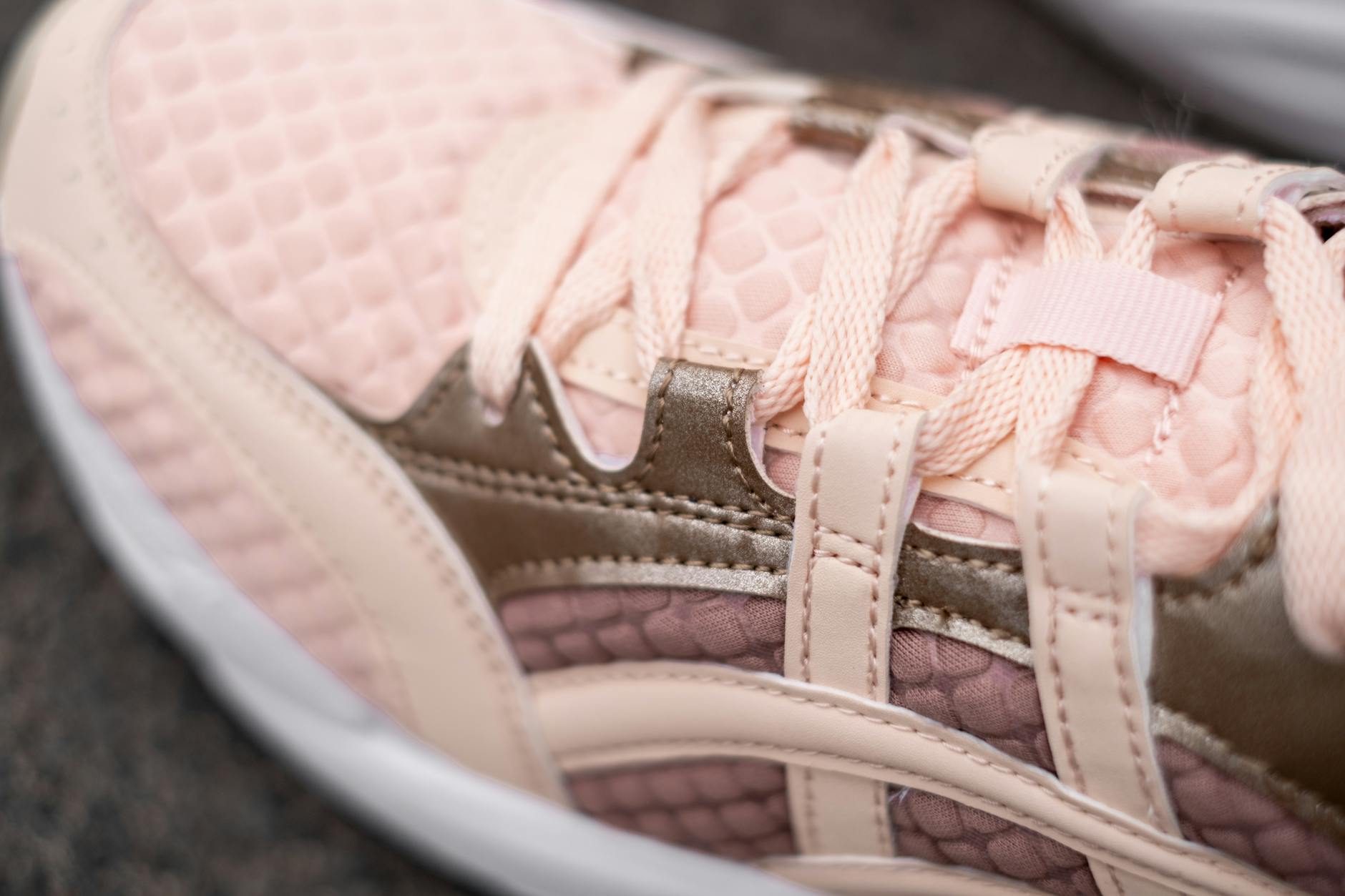
The material composition of your sneakers determines how formal or casual they read within a streetwear context. Full-grain leather sneakers like the Common Projects Achilles or Margiela Replicas can transition from streetwear to smart casual settings, making them useful for occasions when you need to dress up slightly without abandoning your aesthetic entirely. Canvas sneakers like Converse Chuck Taylors skew purely casual and work best for relaxed summer looks or layered with visible socks in cooler weather. Suede and nubuck options occupy the middle ground, offering texture that photographs well and ages gracefully with wear. Colorway selection requires balancing personal preference against practical considerations.
White sneakers remain the most versatile option and can work with virtually any streetwear combination, but they require regular cleaning and show wear quickly””a consideration if you prefer your shoes to look pristine rather than broken-in. Earth tones like brown, olive, and tan have gained significant ground in recent years, partly driven by the broader shift toward Americana and workwear influences in streetwear. These colors hide dirt better and develop a patina that many wearers find appealing. However, if your wardrobe consists primarily of black clothing, white or earth-toned sneakers may create an unintentionally stark contrast that fragments your silhouette. In this case, black or dark grey sneakers maintain visual continuity from head to toe. The exception occurs when you specifically want the shoes to serve as a focal point””a bright red Jordan 4 or neon-accented running shoe against an all-black outfit creates deliberate tension that can work when executed confidently.
The Role of Boots and Non-Sneaker Options in Streetwear
While sneakers dominate streetwear footwear, certain boot styles have earned legitimate places in the rotation. Timberland 6-inch wheat boots carry decades of hip-hop history and remain relevant in East Coast streetwear contexts. Dr. Martens 1460s bridge the gap between streetwear and punk-influenced styles, particularly when paired with wider-leg pants that allow the boot to be fully visible. Rick Owens’ various boot offerings””from the Geobasket to the Ramones””occupy a higher price tier but have become genuinely iconic within the avant-garde streetwear space. Chelsea boots present a more controversial option. While they can work within a streetwear-adjacent outfit, they often read as trying to dress up the look rather than committing to the aesthetic. The exception is the Bottega Veneta Tire boot and similar chunky-soled variations, which incorporate enough visual heft to avoid looking out of place with oversized streetwear pieces. A slim Italian leather Chelsea boot under baggy cargo pants, however, creates a stylistic mismatch that rarely works. Technical outdoor footwear from brands like Salomon, Hoka, and Merrell has also entered the streetwear conversation, particularly within the “gorpcore” subcategory that blends outdoor gear with urban styling.
The Salomon XT-6 trail runner has become particularly ubiquitous, offering a distinctive silhouette that differs visually from traditional sneakers while maintaining the comfort expected in streetwear contexts. ## How to Match Footwear Formality to Different Streetwear Occasions Streetwear exists on a spectrum from purely casual to quietly luxurious, and your footwear should match where your specific outfit falls on that continuum. For everyday wear””running errands, meeting friends, working in casual office environments””standard sneakers in good condition with minimal branding offer the most flexibility. The goal is footwear that complements without demanding attention, allowing the outfit’s other elements to carry the visual weight. When the occasion calls for something slightly more elevated””a gallery opening, a nicer restaurant, a first date””the choice narrows to cleaner sneaker options or polished boots. This is where investing in a quality leather sneaker pays dividends; a pair of Common Projects or Koio sneakers in white or grey leather reads as intentional rather than simply casual. The tradeoff is that these dressier options often sacrifice comfort and versatility for appearance””they’re less suited to long walking days or inclement weather. For purely social situations where standing out matters more than fitting in””concerts, release events, fashion gatherings””the calculus shifts entirely. Here, statement footwear becomes an asset rather than a distraction. A rare collaboration sneaker, an unusual colorway, or a designer piece that sparks conversation serves a social function beyond mere aesthetics. The tradeoff is that these pieces often have limited versatility and may look costume-like in more subdued settings.

Common Footwear Mistakes That Undermine Streetwear Outfits
The most frequent error in streetwear footwear is proportion mismatch””pairing extremely slim sneakers with extremely wide pants or vice versa. While streetwear allows for exaggerated proportions, the relationship between shoe and pant needs some coherence. Ultra-chunky New Balance 2002Rs work with relaxed or wide-leg pants that accommodate their visual mass, but they overwhelm slim joggers or tapered chinos. Similarly, a sleek Adidas Gazelle gets visually lost beneath very wide-leg jeans that obscure the shoe entirely. Condition matters more than many assume. Streetwear has a studied casualness, but there’s a meaningful difference between intentionally distressed sneakers and simply dirty, neglected ones.
Yellowed midsoles, deeply creased leather, and worn-out outsoles signal that you’ve stopped caring rather than that you’ve cultivated a particular look. The exception is certain sneakers””like Air Force 1s in some contexts or vintage running shoes””where heavy wear is considered authentic and desirable, but even then, there’s a line between character and decay. Ignoring the weather creates both practical and aesthetic problems. White canvas sneakers in rain or snow get destroyed and look sloppy when wet. Suede absorbs water stains that may never fully come out. Planning footwear around actual conditions””having a rotation of weather-appropriate options rather than forcing one pair into all situations””protects your investment and maintains a put-together appearance regardless of circumstances.
How Jewelry and Accessories Complete Streetwear Footwear Choices
The relationship between footwear and jewelry in streetwear follows a principle of coherent metals. Silver-toned sneaker hardware””eyelets, lace tips, logo plates””pairs naturally with silver chains, white gold pieces, and stainless steel watches. The same logic applies to gold-toned elements; a sneaker with gold accents provides a subtle echo when you’re wearing gold jewelry, creating visual connection between top and bottom of the outfit without matching too literally.
Specific examples illustrate this principle in practice. The Nike Air Max 97 in its iconic silver “bullet” colorway practically calls for silver accessories””a Cuban link chain or a simple pendant on a silver rope chain extends the metallic theme appropriately. Conversely, sneakers with warmer tones””tan leather, brown suede, gold accents””work better alongside yellow gold pieces. This doesn’t require exact matching, but maintaining consistency in metal temperature creates a more cohesive overall impression.

Where Streetwear Footwear Is Heading
The sneaker market’s cooling from its pandemic-era speculation frenzy has shifted streetwear footwear toward wearability over hype. Limited collaborations still sell out, but the broader trend favors versatile silhouettes in quality materials over constant newness. Heritage styles from New Balance, Asics, and Adidas continue gaining ground against Nike’s historical dominance, suggesting a more fragmented landscape where multiple aesthetics coexist rather than a single style dictating the conversation.
Material innovation and sustainability concerns will increasingly influence which brands maintain credibility in streetwear contexts. Younger consumers especially pay attention to manufacturing practices and material sourcing, creating space for newer brands with transparent supply chains alongside established names. The sneakers that define streetwear a decade from now may come from companies that barely exist today, but the fundamental principle””footwear as a cultural statement, not merely functional covering””will remain central to the aesthetic.
Conclusion
Building a footwear rotation for streetwear requires understanding how different silhouettes, materials, and colorways serve different purposes within the broader aesthetic. The most functional approach includes at least three categories: a versatile everyday sneaker in a neutral colorway, a statement piece with more personality for occasions when standing out matters, and a weather-appropriate option that protects your feet without sacrificing style entirely. This foundation covers most situations while allowing room for personal expression.
The key insight is that streetwear footwear doesn’t exist in isolation””it works in concert with the rest of your outfit, your accessories, and the specific context in which you’re wearing it. A sneaker that looks perfect with one combination may feel wrong with another. Developing an eye for these relationships takes time and experimentation, but the payoff is an effortless-looking personal style that actually required considerable thought to achieve.