

The streetwear brands dominating wardrobes right now include Supreme, Stüssy, Off-White, Fear of God Essentials, and Palace, with newer names like Aimé Leon Dore and Corteiz rapidly gaining ground among style-conscious consumers. These labels have transcended their underground origins to become fixtures in mainstream fashion, spotted everywhere from Tokyo subway stations to New York galleries. Supreme’s weekly drops still cause lines around the block, while Fear of God Essentials has become the unofficial uniform of airport lounges and coffee shops worldwide”its neutral hoodies so ubiquitous that spotting three in a single city block is no longer unusual. What makes this current moment in streetwear particularly interesting is the convergence of luxury credibility and accessible pricing across different tiers.
A Stüssy graphic tee can sit comfortably alongside a $20,000 Rolex without looking out of place, reflecting how dress codes have fundamentally shifted. This article explores which brands are genuinely trending versus which are coasting on legacy, how to identify quality pieces worth investing in, and where streetwear intersects with fine jewelry and luxury accessories for those building a cohesive personal style. Beyond the obvious names, the streetwear landscape includes regional powerhouses worth knowing. Brands like Japan’s BAPE continue strong after two decades, while London’s Corteiz has built a cult following through scarcity and authentic community building. Understanding these brands”their histories, price points, and staying power”helps distinguish between genuine style investments and fleeting hype.
Table of Contents
- What Makes These Streetwear Brands the Most Popular Right Now?
- Which Streetwear Labels Offer the Best Quality for the Price?
- How Streetwear Brands Have Evolved Into Luxury Status
- Building a Streetwear Wardrobe That Lasts Beyond Trends
- Common Mistakes When Shopping Streetwear Brands
- How Streetwear Pairs with Luxury Jewelry and Accessories
- How to Prepare
- How to Apply This
- Expert Tips
- Conclusion
- Frequently Asked Questions
What Makes These Streetwear Brands the Most Popular Right Now?
The current popularity hierarchy stems from a combination of cultural authenticity, celebrity endorsement, and strategic scarcity. Supreme built its empire on limited releases that create genuine demand, a model now replicated across the industry. When a brand like Fear of God Essentials produces enough inventory to meet demand while maintaining design integrity, it achieves the rare balance of accessibility and desirability. Compare this to brands that overproduced during the streetwear boom of 2017-2019″many now sit on clearance racks, their cultural capital depleted. Celebrity influence remains significant but has become more nuanced. When A$AP Rocky wears a piece, its value perception shifts immediately, but today’s consumers are savvier about recognizing paid placements versus genuine preference.
Brands like Aimé Leon Dore gained traction through organic adoption by tastemakers rather than paid partnerships, lending them an authenticity that resonates with discerning buyers. Their New Balances collaborations sell out instantly not because of advertising budgets but because the product quality and design genuinely appeal. The social media effect cannot be overstated. Instagram and TikTok have compressed trend cycles dramatically”a brand can go from unknown to ubiquitous within months, but this also means overexposure kills desirability faster than ever. Palace Skateboards has maintained relevance by keeping its social presence playful and irreverent, never taking itself too seriously despite commanding premium prices. This tonal authenticity protects against the backlash that often follows rapid mainstream adoption.

Which Streetwear Labels Offer the Best Quality for the Price?
Value in streetwear requires separating construction quality from brand premium. Stüssy consistently delivers well-made basics at prices that reflect the garment rather than just the logo”their heavyweight cotton tees typically retail around $50-60 and hold up through years of washing. Compare this to Supreme, where a similar tee costs $48 but resale immediately jumps to $80-100 regardless of the actual material quality. The difference represents pure brand equity, which matters for some buyers and not for others. Fear of God Essentials occupies an interesting middle ground, offering elevated basics at $60-100 price points with quality that genuinely exceeds most mall brands. The signature oversized silhouettes use substantial fabrics, and the construction details”flatlock seaming, quality ribbing”justify the cost.
However, if you primarily care about fit and fabric rather than the rubber logo, brands like Reigning Champ or Lady White Co. deliver comparable quality without the hype premium. The Japanese market offers exceptional value for those willing to navigate international shipping. Brands like WTAPS and Neighborhood produce garments with obsessive attention to detail at prices often lower than their American counterparts after currency conversion. A WTAPS work jacket might cost the equivalent of $300″expensive in absolute terms but remarkable value compared to similar offerings from European luxury streetwear houses. The limitation is sizing, as Japanese cuts tend narrower, and returns across international borders prove complicated.
How Streetwear Brands Have Evolved Into Luxury Status
The transformation of streetwear from subculture uniform to luxury category represents one of fashion’s most significant shifts in decades. This evolution accelerated in 2017 when Louis Vuitton collaborated with Supreme, legitimizing streetwear in the eyes of traditional luxury consumers while validating the premium prices streetwear had already commanded in resale markets. That collaboration’s pieces now trade for three to five times their original retail, demonstrating how certain streetwear items function as genuine alternative assets. Off-White, founded by the late Virgil Abloh, epitomized this luxury crossover.
By applying street sensibilities to high-fashion pricing”$300 t-shirts, $1,000 hoodies”Abloh proved that design vision and cultural relevance could justify luxury margins without traditional luxury materials or manufacturing. The brand’s signature diagonal stripes and quotation marks became status symbols as recognizable as any heritage house’s monogram. This luxury adjacency creates natural synergy with fine jewelry and precious metals. A heavy gold chain gains edge when worn with a streetwear hoodie, while a vintage Cartier watch feels fresh against an Off-White blazer rather than stuffy with traditional suiting. The pairing works because both categories share an emphasis on craftsmanship, exclusivity, and personal expression”values that transcend the traditional casual-formal divide.

Building a Streetwear Wardrobe That Lasts Beyond Trends
Investing in streetwear requires distinguishing between pieces with enduring appeal and those that will feel dated within seasons. Core items from established brands”a Stüssy hoodie in navy, a Palace tri-ferg tee in white, Essentials sweatpants in oatmeal”function as basics that transcend trend cycles. These neutral pieces provide the foundation for a wardrobe that evolves without requiring constant replacement. Statement pieces deserve more scrutiny before purchasing. That graphic hoodie covered in logos might feel essential today but could register as costume-ish in two years.
A useful test: would the piece look good if the branding were removed? If the design, color, and construction still appeal, the item has inherent value beyond trend participation. Collaborations between streetwear brands and artists or other labels often hold value better than mainline pieces because of their scarcity and cultural significance”the Stüssy x Our Legacy Work Shop pieces exemplify this approach. The tradeoff between hype pieces and timeless items becomes clearer when considering cost-per-wear. A $400 Travis Scott collaboration hoodie worn six times before feeling outdated costs roughly $67 per wear. A $150 Reigning Champ midweight terry hoodie worn weekly for three years drops below $1 per wear. Both have their place depending on your priorities, but understanding this math prevents regret purchases.
Common Mistakes When Shopping Streetwear Brands
The replica market has become sophisticated enough that even experienced buyers get fooled, particularly on resale platforms. Counterfeit Supreme items regularly infiltrate StockX and GOAT despite authentication processes, and the fakes from certain factories are nearly indistinguishable from authentic pieces. The safest approach for high-value purchases involves buying directly from the brand or from established consignment stores that stake their reputation on authenticity”shops like Round Two, Stadium Goods, or local equivalents with physical locations and transparent return policies. Sizing inconsistency across streetwear brands causes frequent returns and frustration. Fear of God Essentials runs notoriously large”most buyers size down one from their normal. Palace fits relatively true but short in body length.
Japanese brands like BAPE and Human Made run small. The warning here is critical: never assume your size without checking brand-specific guides and reading reviews mentioning fit. Return shipping from online-only drops can cost more than the item’s retail margin, making wrong-size purchases genuinely expensive mistakes. Chasing every drop leads to closet bloat and financial regret. The FOMO-driven purchasing model streetwear brands deliberately cultivate works against consumers’ actual interests. Many pieces that seemed essential during the release window end up sitting unworn, their urgency revealed as manufactured rather than real. Developing a personal style philosophy and shopping against it, rather than reactively buying whatever drops, produces a more coherent wardrobe and better financial outcomes.
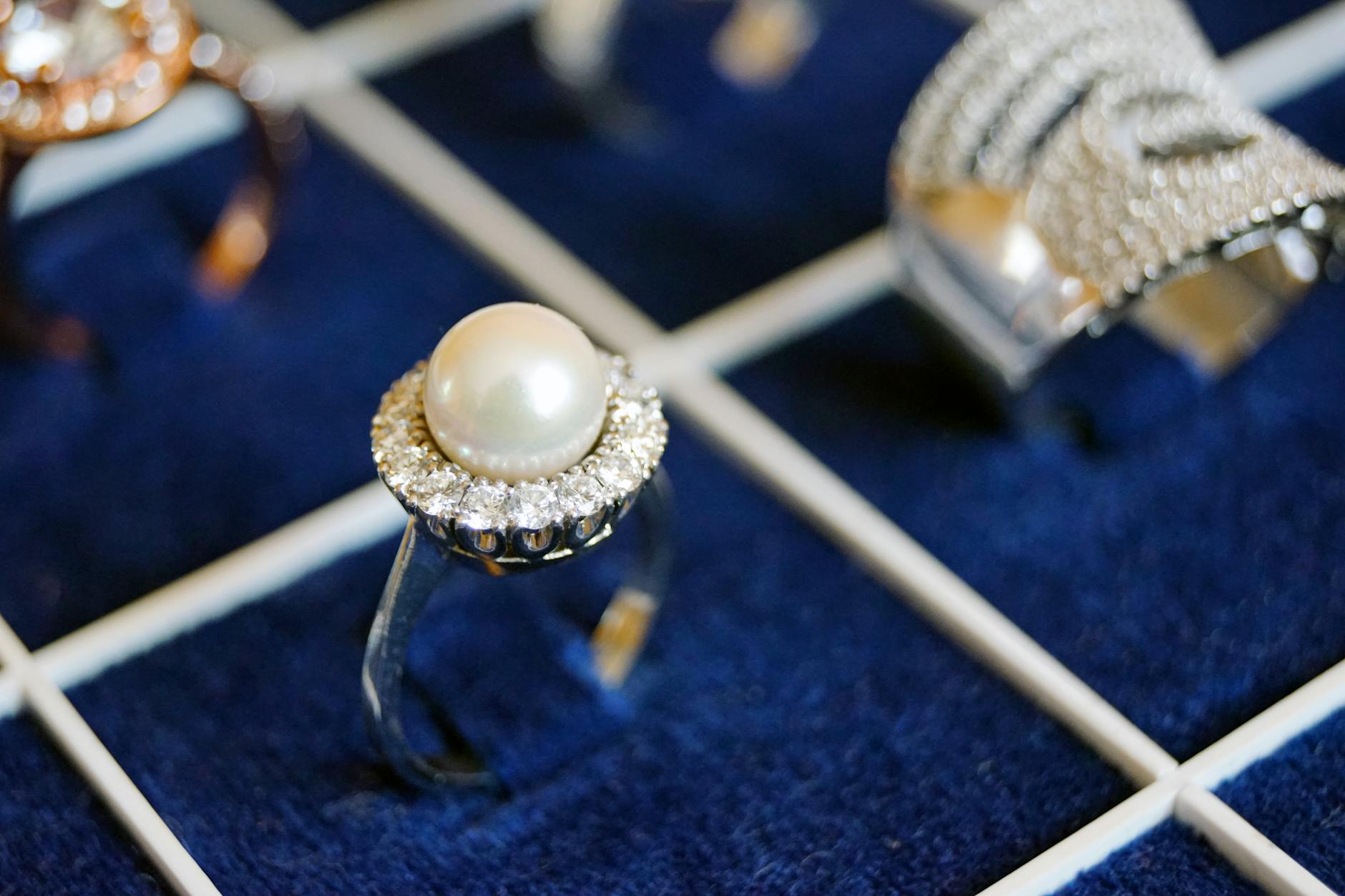
How Streetwear Pairs with Luxury Jewelry and Accessories
The deliberate contrast between casual streetwear and precious metals creates visual tension that defines contemporary style. A plain Off-White hoodie gains sophistication when anchored by a substantial gold Cuban link chain, while a Supreme camp cap reads differently when the wearer sports a vintage Patek Philippe rather than an Apple Watch. This high-low mixing has become so prevalent that luxury brands now design pieces specifically to complement streetwear aesthetics”think Tiffany’s hardware collection or Cartier’s Juste un Clou rendered in various gold weights.
The key to successful pairing lies in intentionality rather than accumulation. One significant piece of jewelry makes a statement; multiple pieces risk looking costume-like against casual clothing. A 14k or 18k gold chain in appropriate weight, a quality timepiece, or a single statement ring typically suffices. The jewelry should feel like an extension of personal style rather than an attempt to elevate otherwise casual clothing into something it’s not.
How to Prepare
- **Audit your current wardrobe** to identify genuine gaps versus aspirational wants. If you own four black hoodies, adding another”regardless of brand”serves no functional purpose.
- **Establish a realistic budget** that accounts for retail prices, potential resale premiums, shipping, and the possibility of sizing mistakes requiring returns or resale at a loss.
- **Research brand sizing thoroughly** before any purchase. Consult forums like Reddit’s streetwear communities where actual owners share fit photos and measurements.
- **Create accounts on primary retailers** (brand sites, SSENSE, End Clothing, Notre) and resale platforms (Grailed, StockX, eBay) in advance, with payment methods saved for quick checkout during limited releases.
- **Follow brands and retailers on social media** to receive drop notifications, but be selective”following too many creates notification fatigue that leads to either missing genuine priorities or buying impulsively.
How to Apply This
- **Start with one streetwear piece per outfit** rather than full branded looks. A Stüssy tee under a sport coat, Fear of God Essentials sweatpants with a quality button-down”these combinations integrate streetwear into existing wardrobes without costume effects.
- **Balance proportions consciously.** Oversized tops pair with slimmer bottoms; relaxed pants work with fitted or cropped tops. The current trend toward uniformly oversized silhouettes reads dated quickly and can overwhelm smaller frames.
- **Let quality jewelry anchor casual fits.** When your clothing is deliberately relaxed, accessories signal intentionality. A substantial watch, a quality chain, or meaningful rings communicate that the casual appearance represents a choice rather than default.
- **Rotate pieces regularly** to prevent any single item from becoming a uniform. The person who wears the same Supreme hoodie daily broadcasts a different message than someone whose Supreme appears occasionally within a varied rotation.
Expert Tips
- Buy classic colorways (black, white, navy, grey, earth tones) for maximum versatility; save bold colors and patterns for pieces you’re willing to retire after a season or two.
- Check resale prices before retail purchases”sometimes the aftermarket is cheaper than retail, particularly for past-season items that didn’t generate hype.
- Don’t sleep on women’s releases if you wear smaller sizes; many brands produce identical items in women’s sizing at the same or lower prices with less competition.
- Avoid wearing multiple branded pieces from the same label simultaneously”head-to-toe Supreme or Fear of God reads as advertisement rather than style.
- When a brand you love sells to a larger corporation (Supreme to VF Corp, Off-White to LVMH), expect quality and design direction to shift within 18-24 months; buy legacy pieces before changes take effect.
Conclusion
The streetwear brands commanding attention right now”Supreme, Stüssy, Fear of God Essentials, Palace, Aimé Leon Dore, and Off-White”earned their positions through consistent design vision, quality execution, and cultural authenticity. While trend cycles accelerate and new names emerge constantly, these established labels provide reliable foundations for wardrobes that balance contemporary relevance with lasting wearability. Understanding each brand’s price-to-quality ratio, sizing particularities, and style positioning helps navigate purchases that satisfy both immediate wants and long-term wardrobe coherence.
The integration of streetwear with luxury accessories, particularly fine jewelry and quality timepieces, reflects broader shifts in how people dress and express status. Rigid dress codes have collapsed across most contexts, creating space for personal style combinations previously unthinkable. A gold chain with a Palace hoodie, a vintage Rolex with Fear of God Essentials”these pairings work because both categories prioritize craftsmanship, exclusivity, and individual expression over arbitrary formal-casual distinctions.
Frequently Asked Questions
How long does it typically take to see results?
Results vary depending on individual circumstances, but most people begin to see meaningful progress within 4-8 weeks of consistent effort. Patience and persistence are key factors in achieving lasting outcomes.
Is this approach suitable for beginners?
Yes, this approach works well for beginners when implemented gradually. Starting with the fundamentals and building up over time leads to better long-term results than trying to do everything at once.
What are the most common mistakes to avoid?
The most common mistakes include rushing the process, skipping foundational steps, and failing to track progress. Taking a methodical approach and learning from both successes and setbacks leads to better outcomes.
How can I measure my progress effectively?
Set specific, measurable goals at the outset and track relevant metrics regularly. Keep a journal or log to document your journey, and periodically review your progress against your initial objectives.
When should I seek professional help?
Consider consulting a professional if you encounter persistent challenges, need specialized expertise, or want to accelerate your progress. Professional guidance can provide valuable insights and help you avoid costly mistakes.
What resources do you recommend for further learning?
Look for reputable sources in the field, including industry publications, expert blogs, and educational courses. Joining communities of practitioners can also provide valuable peer support and knowledge sharing.